Summary: A social compliance audit evaluates whether a business meets ethical labor, health, safety, and environmental standards set by bodies like SEDEX, SAI, and RBA. This guide covers internal self-audit processes, external audit procedures, and key standards to help your organization maintain compliance. A social compliance audit verifies that your business meets ethical labor, health, […]
Supply Chain Management
Seeing is Succeeding: Why Supply Chain Visibility Matters
Summary: Supply chain visibility is the ability to see the movement, status, and risk profile of materials, suppliers, and compliance activity across the supply network. Strong supply chain visibility helps companies detect delays earlier, respond faster to disruptions, and verify supplier performance against regulatory and ESG requirements. For procurement and supply chain teams, visibility is […]
Supply Chain Disruptions: What They Are — And How to Avoid Them
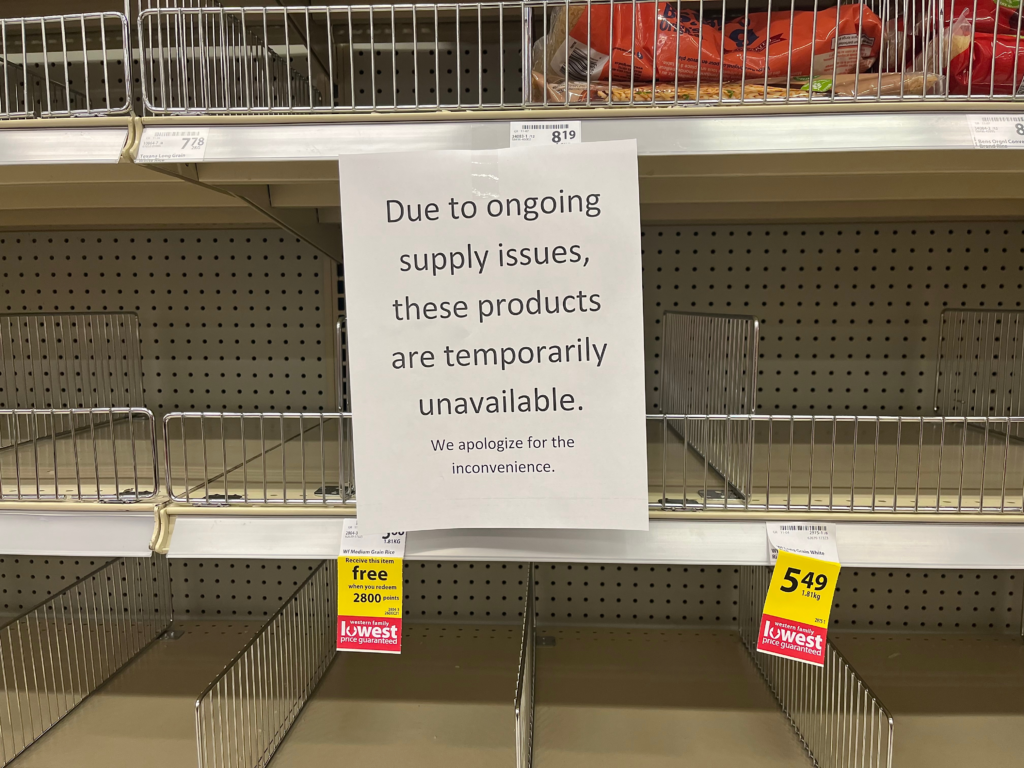
A supply chain disruption is any event that interrupts the normal flow of goods, materials, or services between suppliers, manufacturers, and end customers. From geopolitical conflicts and regulatory shifts to natural disasters and cyberattacks, disruptions can range from minor delays to complete supply chain breakdowns. According to the World Bank, global supply chain pressures remain […]
Supplier Selection: Finding the Right Fit
Summary: Supplier selection is a structured due diligence process for choosing suppliers that can meet quality, delivery, compliance, and ESG expectations from the start. Strong supplier selection reduces disruption risk, limits regulatory exposure, and improves long-term performance by screening for operational fit and ethical standards before contracts are signed. For procurement leaders, better upfront vetting […]
Reduced Risk, Increased Resiliency: The Advantage of Supply Chain Management Tools
Summary: Supply chain management tools give organizations the visibility and control needed to monitor suppliers, manage risk, document due diligence, and keep operations running smoothly. The strongest supply chain management tools combine performance tracking, compliance workflows, and ESG data collection so teams can respond faster to disruptions and reporting demands. For supply chain leaders, these […]
Supply Chain Audit: A Key Tool to Improve Performance
Summary: A supply chain audit is a structured review of suppliers, processes, and compliance controls used to identify operational, legal, and ESG risks across the supply network. For supply chain managers, a disciplined supply chain audit program is one of the most effective ways to verify standards, improve supplier accountability, and prepare for due diligence […]
What Type of Implementation Support Does Your Solution Offer?
We’ve been involved in the design, development, and implementation support of enterprise-level software for over 20 years, which is why our team of experts puts together this 10-part series on evaluating Enterprise-level software. We’ll cover topics ranging from security, data collection and reporting requirements, implementation resources, pricing/cost models, and more, to ensure your next enterprise […]
The Importance of Centralized Software Administration
Last week we looked at the importance of discovering whether the new enterprise software you’re considering meets your organization’s language requirements. Is the solution you’re evaluating a good fit? Let’s move on to the central, corporate-wide centralized software administration capabilities. Having been in the enterprise-level software industry for decades, we have been involved in hundreds […]
Does My Organization Need Multilingual Enterprise Software?
Summary: Multilingual Enterprise Inspection Software is essential when inspection and compliance workflows span teams that speak different languages. Giving workers and managers forms, instructions, and corrective actions in their preferred language improves adoption, reduces misunderstandings, and strengthens reporting quality across sites. We’ve been involved in the design, development, and implementation of enterprise-level software for over […]
Don’t Forget About Your Reporting Requirements
Summary: Safety and compliance software must turn collected data into reports that show trends, open actions, recurring hazards, and audit readiness across sites. Strong reporting requirements include flexible dashboards, drill-down analysis, scheduled outputs, and clear visibility into corrective action status so EHS teams can act quickly. For enterprise buyers, weak reporting limits the value of […]
Why You Should Implement Multi-Purpose Enterprise Software
We’ve been involved in the design, development, and implementation of enterprise-level software for over 20 years, which is why our team of experts puts together this 10-part series on evaluating Enterprise-level software. We’ll cover topics ranging from security, data collection and reporting requirements, implementation resources, pricing/cost models, and more, to ensure your next multi-purpose enterprise […]
Can Your Enterprise Software Be Customized?
We’ve been involved in the design, development, and implementation of customized enterprise-level software for over 20 years, which is why our team of experts puts together this 10-part series on evaluating Enterprise-level software. We’ll cover topics ranging from security, data collection and reporting requirements, implementation resources, pricing/cost models, and more, to ensure your next customized […]
What Are Your Data Integration Requirements?
We’ve been involved in the design, development and implementation of enterprise- level software for over 20 years, which is why our team of experts put together this 10-part series on evaluating Enterprise-level software. We’ll cover topics ranging from security, data integration requirements, implementation resources, pricing / cost models and more, to ensure your next enterprise […]
How To Evaluate Your Data Collection Needs and Requirements
We’ve been involved in the design, development, and implementation of enterprise-level software for over 20 years, which is why our team of experts puts together this 10-part series on evaluating Enterprise-level software. We’ll cover topics ranging from security, data collection needs and requirements, implementation resources, pricing/cost models and more, to ensure your next enterprise software […]
16 Things To Ask Your IT Department When Evaluating Enterprise Software
A rigorous enterprise software evaluation should always start with your IT department's security and data privacy requirements. Before investing time in demos and feature comparisons, organizations need to confirm that any cloud-based solution meets the technical due diligence standards of their own IT team. Here are 16 critical questions your IT department should address when […]