Summary: FeaturedCustomers is a B2B software reference platform that helps buyers evaluate vendors using verified customer success content such as testimonials, case studies, and videos. For EHS software buyers, a FeaturedCustomers Rising Star award signals that a platform is gaining traction and delivering measurable value in real-world use. The recognition matters because it reflects market […]
Safety Management

Audit Types Explained: What You Need to Know About First, Second, and Third-Party Audits
Auditing is a process of verifying and evaluating a business’s compliance, quality, and performance. However, there are different types of audits that serve different purposes and have different requirements. In this blog post, you will learn what first-party, second-party, and third-party audits are, how they differ, and why they are important for your business […]

4 Steps to Perform a Workplace Safety Inspection
Summary: The purpose of workplace safety inspections is to find hazards, verify compliance, and correct unsafe conditions before they cause injuries, downtime, or enforcement action. Regular workplace safety inspections strengthen a safety management system by creating visible accountability, better documentation, and faster follow-through on identified risks. For EHS managers, inspections are one of the most […]

How to Create an Effective Food Safety Management System for Your Business
Summary: A Food Safety Management System (FSMS) provides the structured framework that food production organizations need to ensure products are safe, compliant, and produced to consistent quality standards under FDA FSMA, ISO 22000, and FSSC 22000 requirements. For QA Managers and Quality Engineers, building a robust FSMS directly reduces non-conformance rates, improves audit completion metrics, […]

What is a Field Level Hazard Assessment (and Why They Matter)
Summary: A field level hazard assessment is a pre-task review completed at the job site to identify current hazards, evaluate risk, and define controls before work begins. The value of a field level hazard assessment is that it captures site-specific conditions that generic procedures often miss, especially in dynamic, high-risk environments. For frontline teams and […]
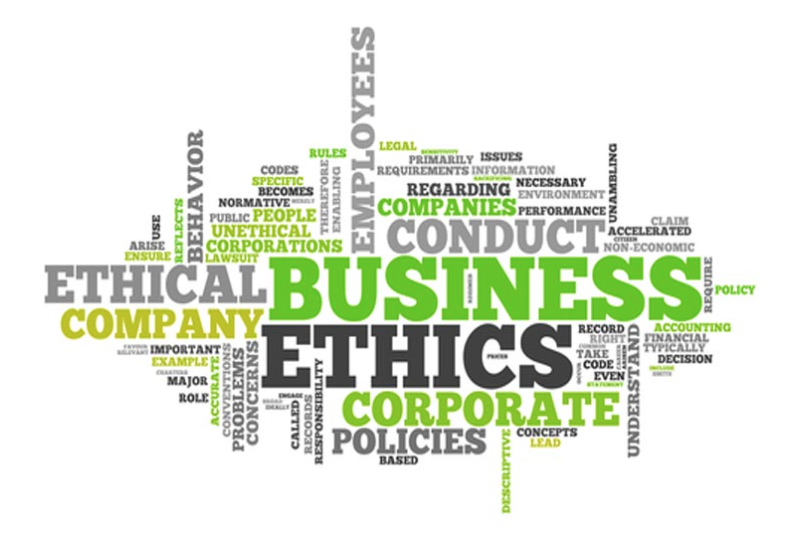
Understanding Social Compliance And Self-Audits
Summary: A social compliance audit evaluates whether a business meets ethical labor, health, safety, and environmental standards set by bodies like SEDEX, SAI, and RBA. This guide covers internal self-audit processes, external audit procedures, and key standards to help your organization maintain compliance. A social compliance audit verifies that your business meets ethical labor, health, […]
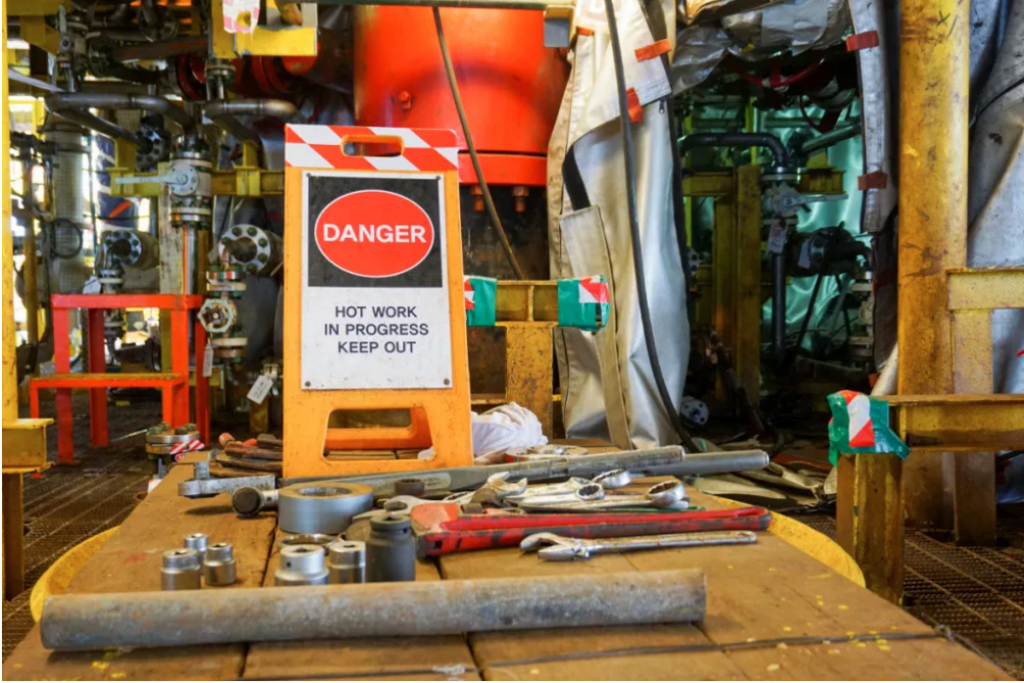
What is A Hot Work Permit: How it Works
Summary: A hot work permit is a documented authorization that confirms welding, cutting, grinding, or other ignition-producing work can proceed only after the area has been checked and required fire controls are in place. For EHS and facility leaders, a strong hot work permit process reduces fire and explosion risk, protects contractors and employees, and […]
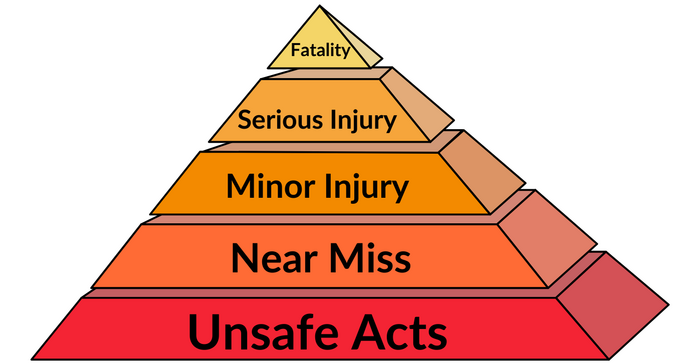
Near Miss Reporting: What it is and Why it’s Important
Summary: A near miss is an unplanned event that caused no injury or damage but had clear potential to do so under slightly different conditions. Near miss reporting matters because these events expose weak controls, unsafe behaviors, and hidden hazards before they escalate into recordable injuries or fatalities. For EHS teams, treating near misses as […]
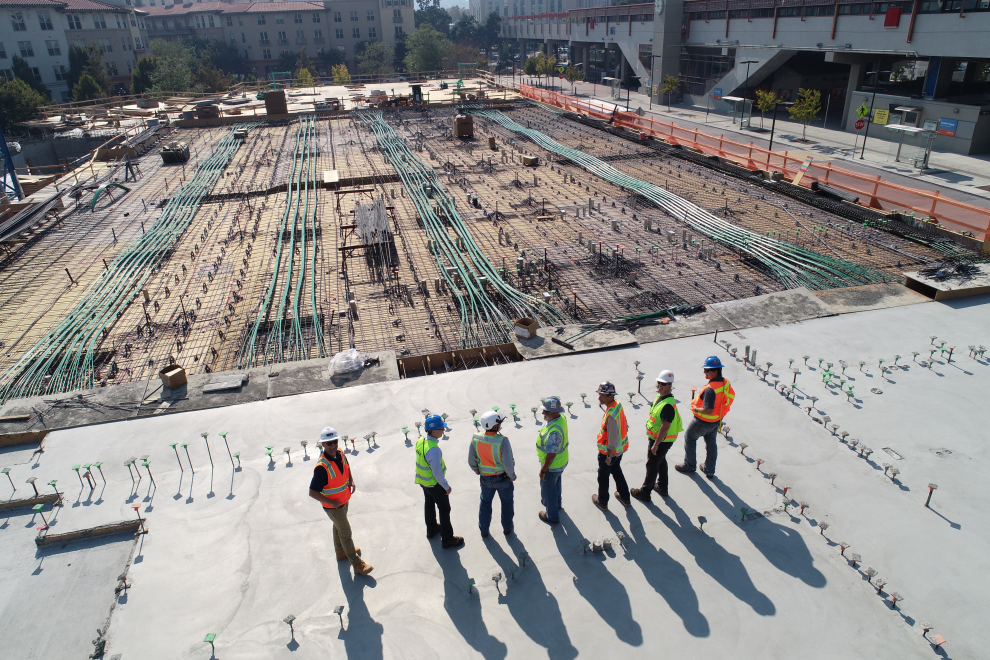
Keep it Seen, Keep it Safe: The Importance of Construction Safety Observations
Summary: Construction safety observations are structured site reviews that identify hazards, unsafe behaviors, and missing controls before they lead to injuries or citations. Effective construction safety observations help crews address recurring risks such as falls, struck-by hazards, PPE misuse, and unsafe equipment practices in real time. For construction safety leaders, they are a practical way […]
The HACCP Plan: How it Can Help Reduce Food Safety Risk
Summary: A HACCP (Hazard Analysis and Critical Control Points) plan provides a systematic, preventive framework for identifying and controlling biological, chemical, and physical hazards throughout food production. For QA Managers and Quality Engineers overseeing food safety programs, implementing a robust HACCP plan reduces non-conformance rates, improves audit readiness under FDA and ISO 22000 requirements, and […]
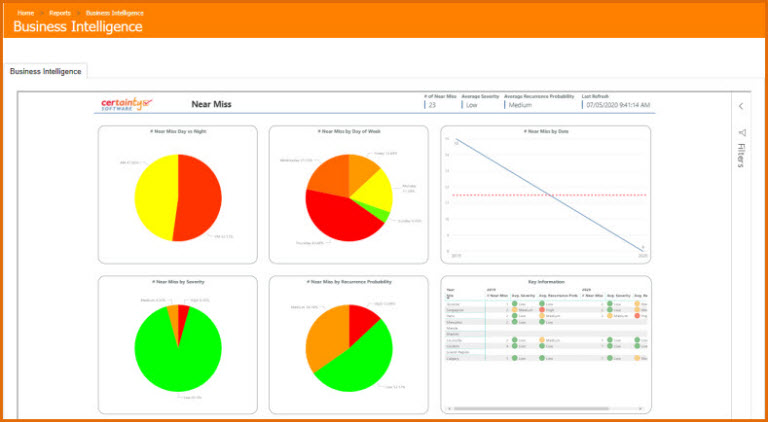
Incident Reporting: A Key Component of an Effective Safety Management Program
Summary: Incident reporting is the formal process of documenting workplace incidents, injuries, near misses, and unsafe conditions so management can investigate causes and act on them. Strong incident reporting improves safety because it turns isolated events into usable data for trend analysis, corrective action, and prevention. For EHS teams, a reliable reporting system supports OSHA […]

Food Safety Handling: Taking a Bite Out of Operational Risk
Summary: Effective food safety handling requires comprehensive programs that address every stage of food production — from preparation and packaging to transportation — in compliance with FDA cGMP, HACCP, FSSC 22000, and SQF standards. For QA Managers and Quality Engineers in food manufacturing, a structured food safety handling framework directly impacts audit completion rates, non-conformance […]

5 Tips to Improve Safety Observations and Reduce Workplace Risk
Summary: A safety observation is a structured review of how work is actually being performed so teams can identify safe behaviors, unsafe acts, and gaps in controls before an incident occurs. A strong safety observation program gives EHS managers real-time insight into frontline risk and creates a feedback loop for coaching, corrective action, and continuous […]
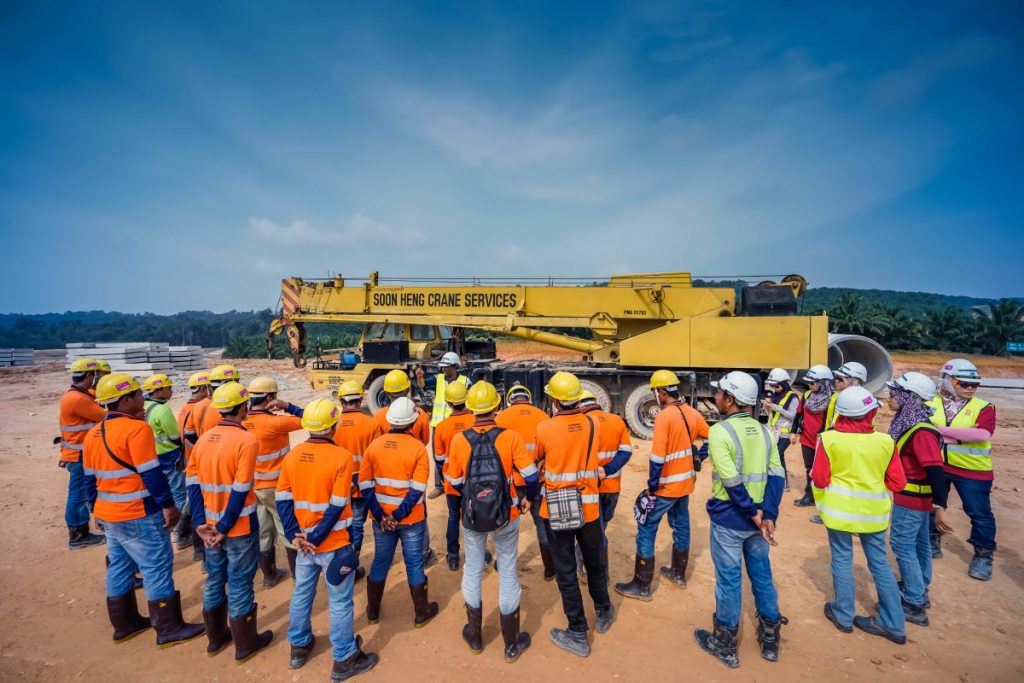
Toolbox Talks: A Great Tool to Improve Job Site Safety
Summary: A toolbox talk is a short pre-shift safety discussion that focuses workers on the hazards, controls, and safe behaviors tied to the day’s tasks. When done consistently, toolbox talks improve hazard awareness, encourage worker participation, and reinforce OSHA-aligned practices before work begins. For EHS and site leaders, this simple routine strengthens safety culture by […]

Certainty Software Webinar: Improving Safety in the Construction Industry
Summary: This construction safety webinar explores practical ways to reduce falls, improve worker engagement, and strengthen safety performance across active jobsites. Construction remains one of the highest-risk industries in North America, accounting for nearly 20% of all worker fatalities in the United States according to OSHA — with falls, struck-by incidents, electrocutions, and caught-in/between hazards […]