Do you want to learn how to manage risks effectively and efficiently in today’s complex and dynamic business environment? In this blog post, we will show you how integrated risk management (IRM) can help you achieve organizational success. We will also explain how Certainty Software can support your IRM initiatives. Read on to find out more. […]
Safety Management
8 Effective Risk Management Techniques for Today’s Challenges
From Bowtie Analysis, to training programs, discover 8 of the most effective risk management techniques and strategies your operations can implement quickly. Learn to how to better manage your risk mitigation efforts with this blog post. […]

What is TRIR and How It’s Calculated
TRIR is a key safety metric that measures the frequency of workplace incidents and injuries. Improving your TRIR score can help you reduce costs, enhance reputation, and promote a positive safety culture. Learn more about TRIR and how to calculate it in this blog post. […]
How to Use Key Risk Indicators to Manage Risks and Improve Performance
Risk is inevitable in any business, but it can also be a source of opportunity and competitive advantage. You may have tried to use traditional risk management approaches, where each business unit leader is responsible for managing risks within their area of responsibility. Discover how to mitigate risk with Key Risk Indicators. […]
ISO 19011: A Comprehensive Guide to Quality Management Auditing
Summary: ISO 19011 provides comprehensive guidelines for planning, conducting, and improving management system audits across any standard, including ISO 9001, IATF 16949, and ISO 14001. It establishes the principles of effective auditing, defines auditor competence requirements, and offers a structured approach to managing audit programs that drive continuous improvement. Following ISO 19011 guidelines helps organizations […]

Understanding Workplace Near Miss Events: Types and Prevention Strategies
Near miss events are situations where an accident or injury was narrowly avoided, but could have happened under slightly different circumstances. They are also known as close calls, near hits, or near accidents. Near miss events are common in the work environment. These events can occur in any setting or industry, but they are often underreported or ignored. However, near miss events can provide valuable insights into potential hazards and risks that exist in the workplace, and how to prevent them. […]
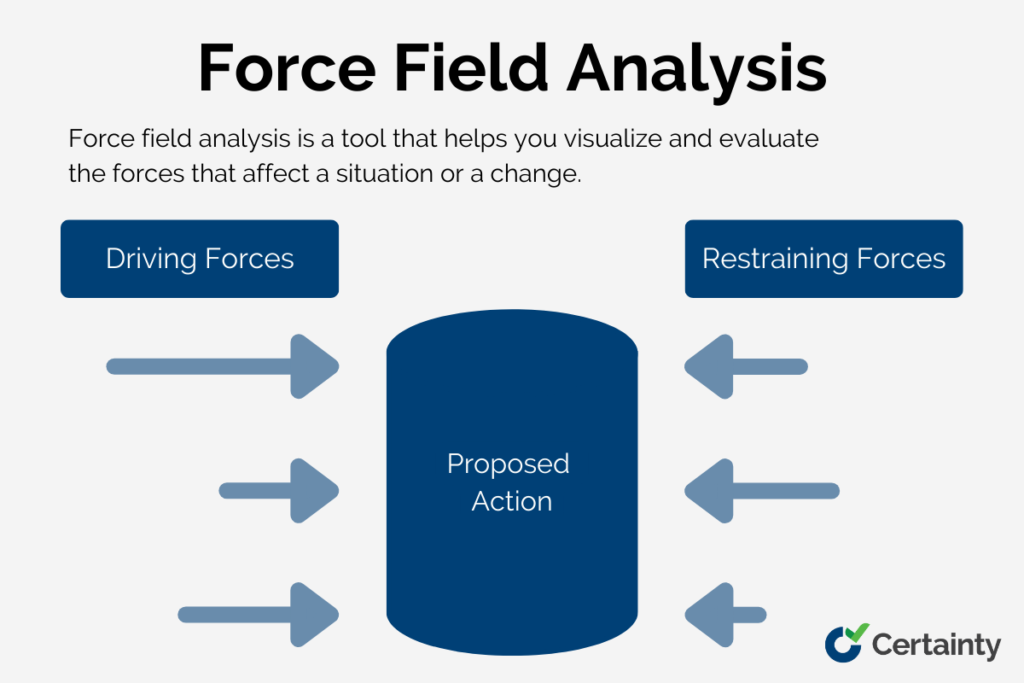
How to Use Force Field Analysis to Manage Change and Improve Performance
Summary: Force field analysis is a change management tool that identifies the driving forces supporting a desired change and the restraining forces working against it. By systematically mapping and scoring these opposing forces, quality teams can develop targeted strategies to strengthen drivers and weaken barriers, leading to more successful process improvements. This technique is particularly […]

Certainty and AI: Implementing AI in Certainty to Reduce Risk, Improve Performance, and Fuel Innovation and Growth
In this blog post, we will share the benefits of implementing AI in Certainty to enhance our product features and benefits for our customers. We will also explain some tips to best prepare your AI implementation. […]
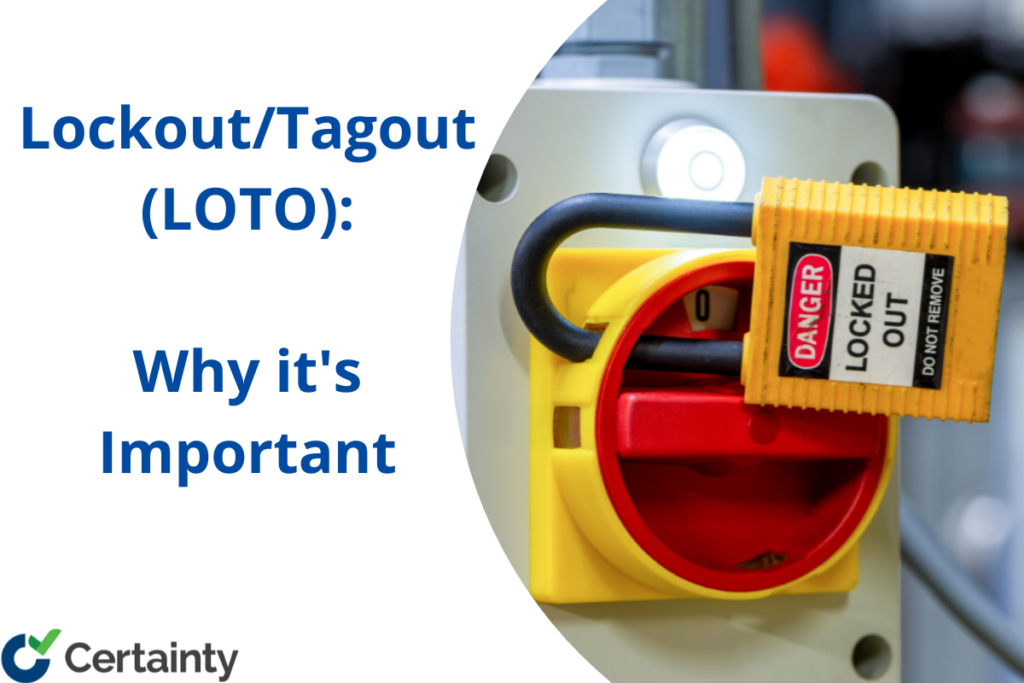
6 Steps of Lockout/Tagout Procedures
Lockout/tagout (LOTO) is a way to stop hazardous energy from hurting people when working on equipment. It uses locks and tags to turn off and mark the equipment. LOTO is a legal and important safety practice. […]

Bridging the Gap: 10 Strategies for Closing Communication Gaps During Internal Audits and Inspections
Effective communication is crucial for the success of any business, and ensuring that all team members are on the same page and understand their roles and responsibilities is vital for achieving compliance and improving overall organizational performance. However, communication breakdowns can occur in any organization, and they can be particularly damaging when it comes to internal audits and inspections. […]
Internal Audits and Inspections System: A Guide to Change Management
This blog is intended to serve as a guide for those leading their organizations through the changeover process. From project planning to ongoing support, we will discuss the key steps necessary in change management. You’ll learn how to successfully implement your new system while minimizing your risk of negative consequences […]

What is a Behavior Based Safety Observation?
A behavior based safety observation (BBSO) is a technique used to identify and correct unsafe behaviors in the workplace. It involves watching and analyzing the actions of employees while they work, with the goal of identifying any behaviors that may lead to accidents or injuries. […]

5 Challenges When Switching From Paper-based Inspections to Digital Inspections
Table of contents Summary: Digital inspections help teams replace paper forms with faster, more consistent, and easier-to-report inspection processes. While the transition can involve change management, training, device costs, and security concerns, those challenges can be managed with the right rollout plan. Digital inspections help organizations replace slow, error-prone paper processes with faster data capture […]

ISO 45001: the Occupational Health and Safety Standard
Workplace injuries are a prevalent problem for companies and a costly one at that. The International Labor Organization (ILO) estimates approximately 340 million workplace accidents annually. From a cost perspective, these accidents can result in potential lawsuits, incurring medical expenses, increased insurance premiums, and an overall loss in productivity. Equally important is the damage to your company’s reputation with your customers or clients. […]
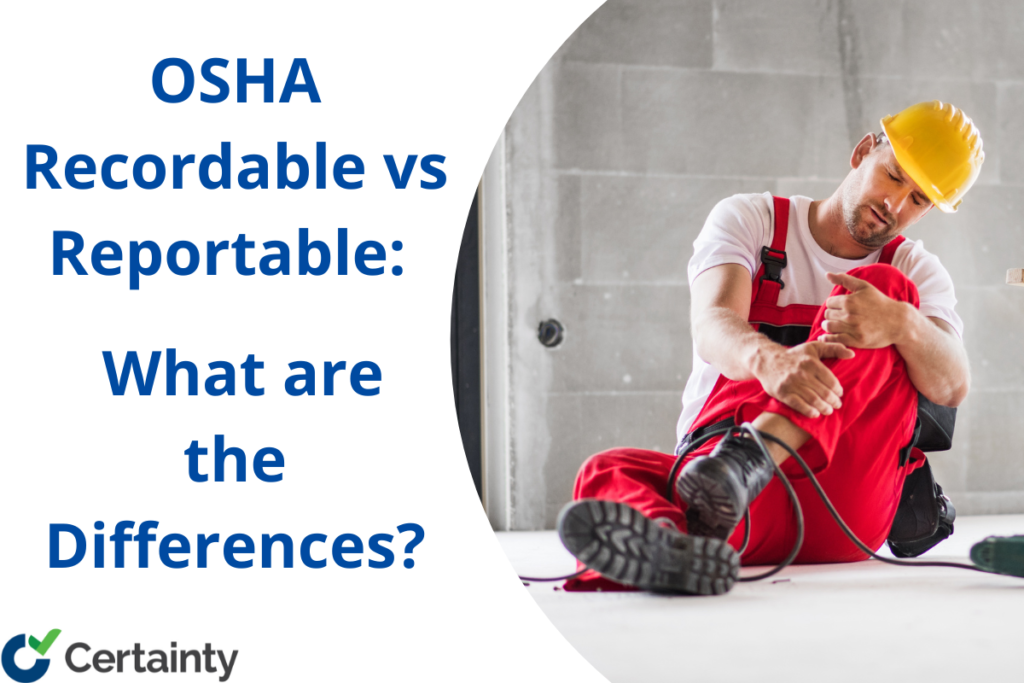
OSHA Recordable vs Reportable: What are the Differences?
OSHA filing and report submissions can be a daunting task for the 8 million US OSHA-compliant worksites. Confusion about whether a work-related incident is recordable or reportable is a challenge for many businesses. However, it’s important to get it right or face the risk of being penalized.
To help simplify the processes, we’ll clarify what separates an OSHA recordable incident from an OSHA reportable incident. […]