Supply chain disruptions and risks are becoming increasingly common, affecting businesses of all sizes and across various industries. The data speaks for itself – recently released by Resilinc’s EventWatchAI monitoring database, supply chain disruptions in Europe increased by 38% in 2022. To ensure business continuity and success in today’s global market, it’s crucial for companies to understand the various types of supply chain risks and implement effective risk management strategies. […]
Uncovering Hidden Risks in Your Supply Chain: The Importance of Supply Chain Due Diligence
Supply Chain Due Diligence is a critical process that companies must undertake to ensure that their sourcing, procurement, and supplier management practices align with responsible business standards and regulations. With the increasing focus on environmental, social, and governance (ESG) issues, the practice has become a vital aspect of risk management for companies of all sizes. […]
What is Supply Chain Sustainability and How to Manage it?
As consumers become more conscious of the impact their choices have on the environment and society, businesses are increasingly being held accountable for the sustainability of their global supply chain. With companies allocating upwards of 80% of their budget to procurement, supply chain sustainability has become a crucial aspect of corporate social responsibility. […]
ESG Materiality and Double Materiality: What They are and How to Assess
In sustainable investing, Environmental, Social, and Governance (ESG) considerations have gained significant momentum in recent years. Companies and investors alike are recognizing the importance of assessing and addressing ESG factors in their decision-making. Materiality and double materiality are key concepts within this realm of ESG investing. […]
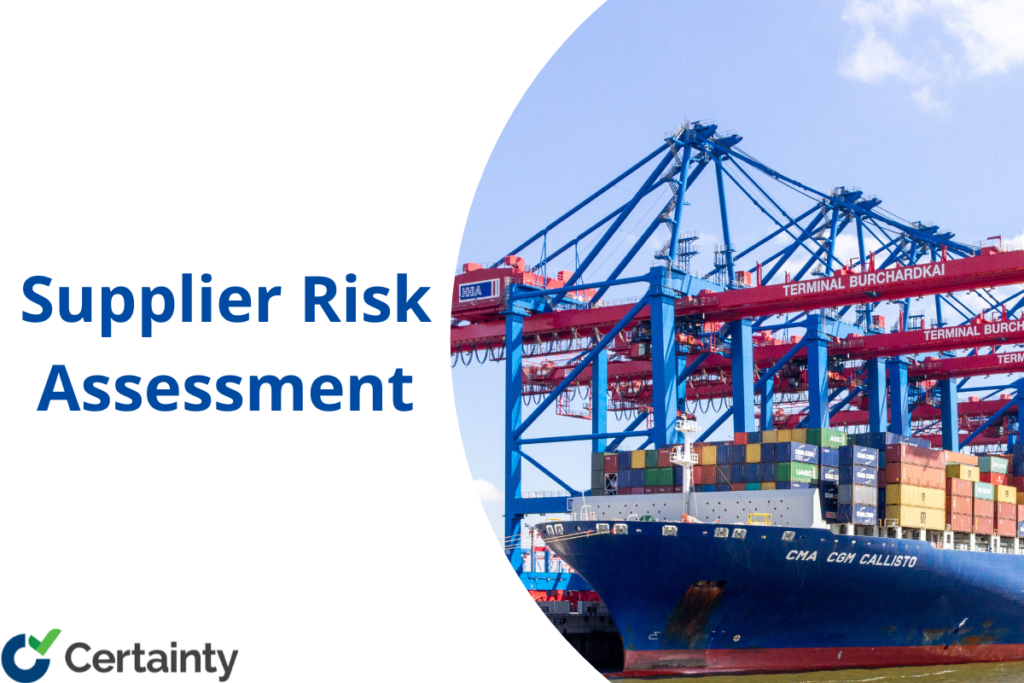
What is a Supplier Risk Assessment – Why it’s Important
The general purpose of a supplier risk assessment is to ensure that a business is working with reliable and trustworthy suppliers. This is important because a company’s suppliers play a critical role in its overall operations, as they provide the raw materials, components, and services that are necessary to produce and deliver products and services to customers. […]
Version 4.3 Certainty Software Ready for Release
We’re excited to announce the release of version 4.3 of Certainty Software. **Important** Users must update their version of the Certainty app through their respective Mobile App Store. New features introduced in version 4.3 include: Here is a sneak peek at the new multifactor authentication feature: Enjoy the update! […]

What is a Behavior Based Safety Observation?
A behavior based safety observation (BBSO) is a technique used to identify and correct unsafe behaviors in the workplace. It involves watching and analyzing the actions of employees while they work, with the goal of identifying any behaviors that may lead to accidents or injuries. […]
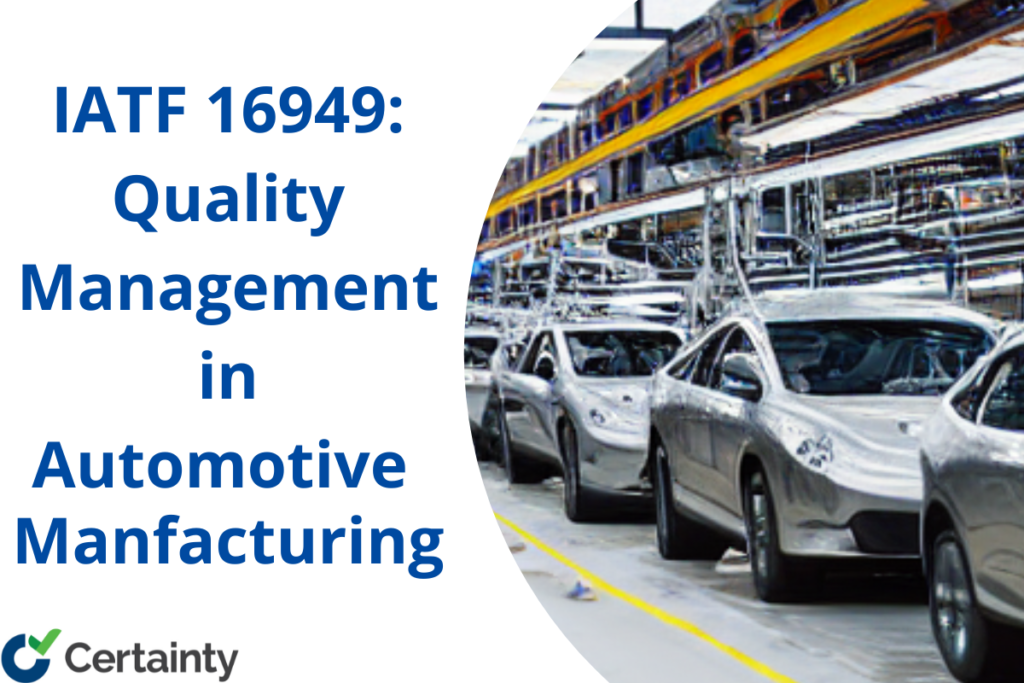
IATF 16949: Quality Management in the Automotive Manufacturing Industry
Summary: IATF 16949 is the global quality management system standard developed specifically for the automotive industry, building on ISO 9001 with additional requirements for defect prevention, variation reduction, and supply chain management. Certification demonstrates a manufacturer's commitment to producing safe, reliable automotive components while meeting the stringent expectations of OEMs worldwide. Implementing IATF 16949 drives […]
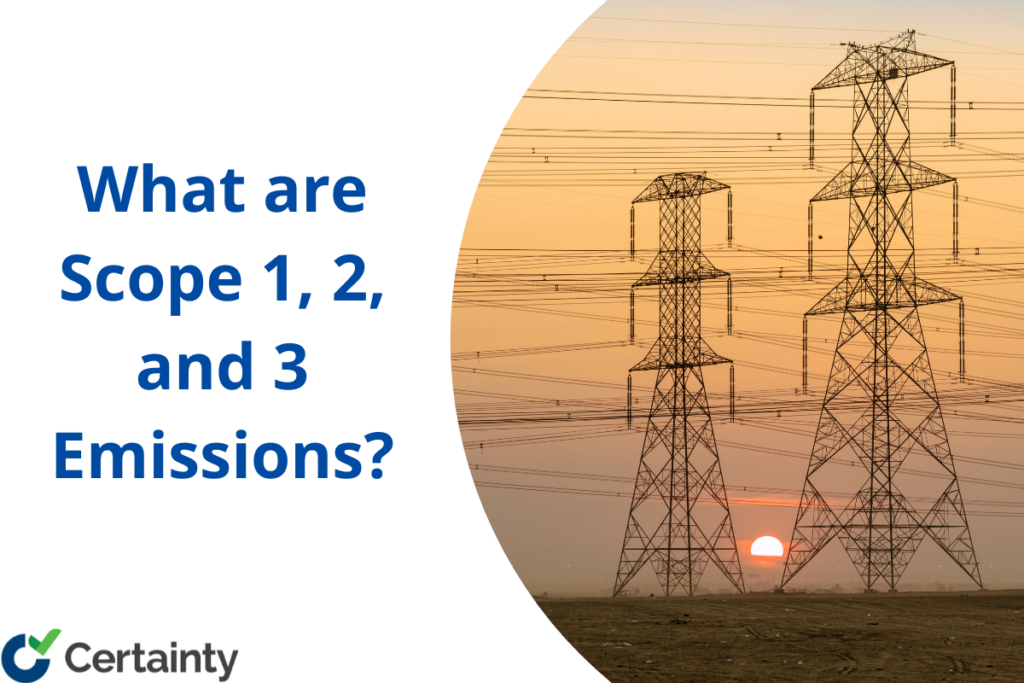
What are Scope 1, 2, and 3 Emissions?
Scope 1, 2, and 3 emissions are the three categories of greenhouse gas emissions that are commonly reported by businesses. These categories of carbon emissions, which were established by the World Resources Institute’s Greenhouse Gas Protocol (GHG Protocol), are used to help organizations track and manage their greenhouse gas emissions in a consistent and transparent manner. […]

4 Tips for Reaching Your ESG Goals in 2023
Environmental, social, and governance (ESG) issues have become increasingly important in recent years, with a growing number of stakeholders, including investors and consumers, calling for companies to prioritize sustainability and social responsibility in their business practices. In response to this demand, many businesses have begun to incorporate ESG initiatives into their operations, including setting ESG goals as part of their overall business strategy. […]