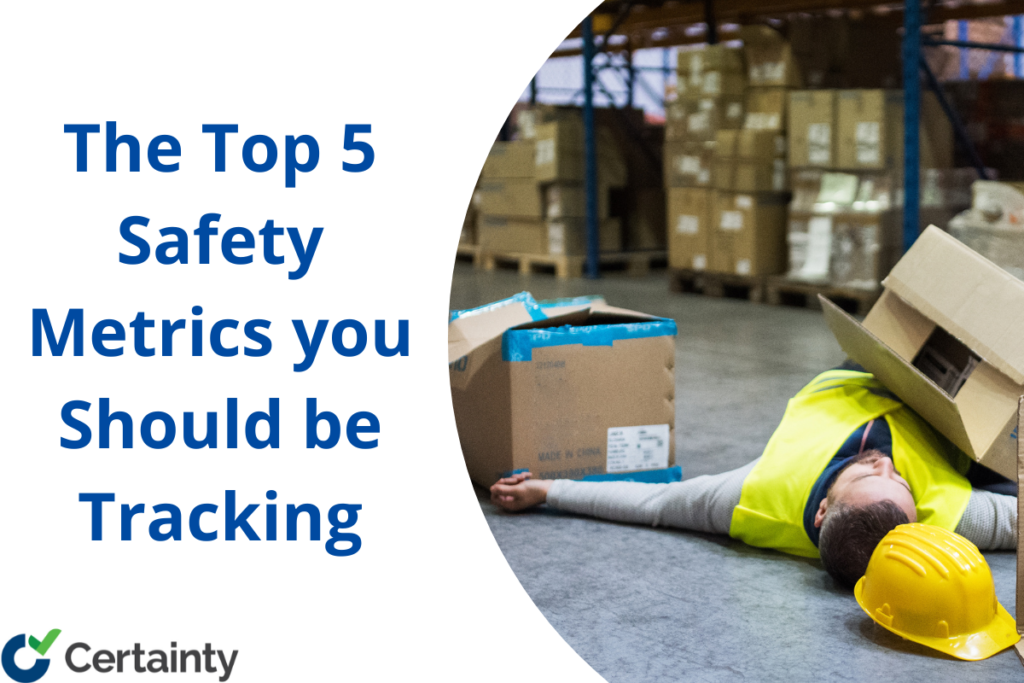
Safety metrics are quantifiable measures used to track and evaluate the effectiveness of a workplace safety program. The five most important safety metrics every organization should monitor are: Total Recordable Incident Rate (TRIR), Days Away Restricted or Transferred Rate (DART), Average Time to Resolution of Issues, Lost Time Injury Frequency Rate (LTIFR), and Near Miss […]
Safety Management

The Difference Between Leading and Lagging Safety Indicators
Table of contents Leading and lagging safety indicators are two complementary categories of safety performance metrics: leading indicators are proactive, predictive measures that signal future risk, while lagging indicators are reactive, historical measures that record past incidents. Together, they form the foundation of any effective occupational health and safety (OHS) management system — including those […]

Leading Safety Indicators: Examples and Applications
Leading safety indicators are proactive, predictive measures that assess the health of a safety program before incidents occur. According to OSHA, “leading indicators are proactive and preventive measures that can shed light on the effectiveness of safety and health activities and reveal potential problems in a safety and health program.” Common examples include safety inspection […]
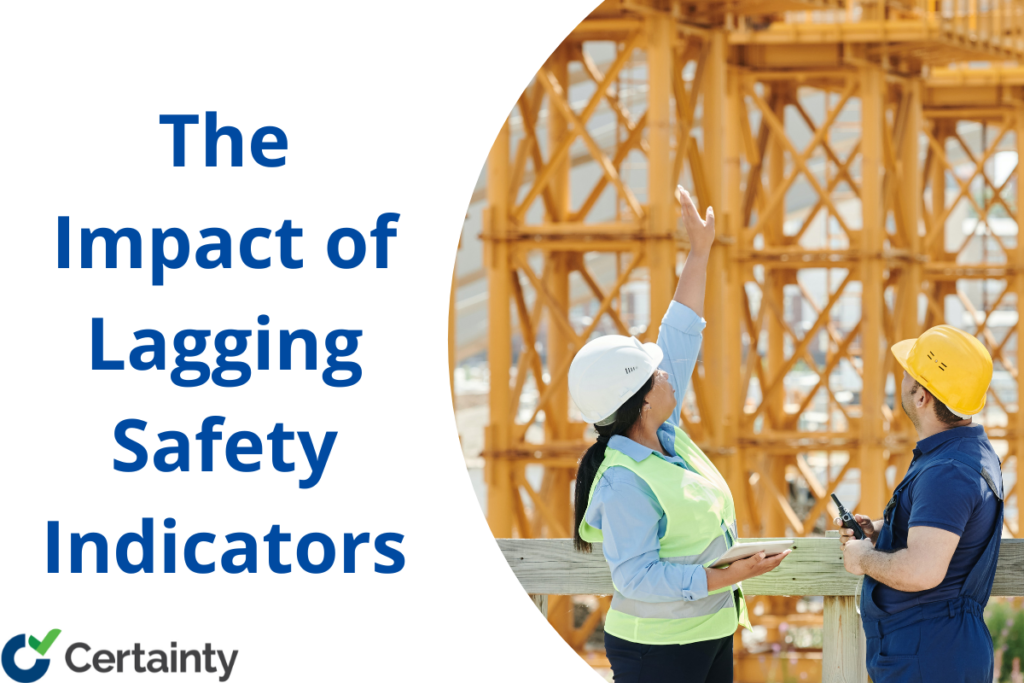
The Impact of Lagging Safety Indicators on Workplace Operations
U.S. employers reported approximately 2.6 million nonfatal workplace injuries and illnesses in 2023, according to the U.S. Bureau of Labor Statistics (BLS). And while injury rates have trended downward over the long term, the financial and human costs remain staggering. The National Safety Council estimates workplace injuries cost employers over $167 billion annually in wage […]

PPE Inspections: What They Are and Why You Need Them
Personal protective equipment (PPE) saves lives. Consider the humble hard hat: first introduced in 1919 by Edward W. Bullard, who modeled the design on his doughboy army helmet, the hard hat helped reduce work site deaths by two-thirds between 1970 and 2016. PPE also saves money: companies can save over $30,000 for every medically-consulted injury […]
FeaturedCustomers selects Certainty Software as a 2022 EHS Management Software Rising Star
Certainty Software has been named a FeaturedCustomers’ EHS Management Software Vendor Rising Star — a recognition we have now earned multiple times, reflecting our consistent track record of helping EHS managers, safety directors, and compliance teams collect, manage, and report workplace safety inspections and audits at scale. This award confirms that Certainty Software is a […]

Audit Types Explained: What You Need to Know About First, Second, and Third-Party Audits
Auditing is a process of verifying and evaluating a business’s compliance, quality, and performance. However, there are different types of audits that serve different purposes and have different requirements. In this blog post, you will learn what first-party, second-party, and third-party audits are, how they differ, and why they are important for your business […]

4 Steps to Perform a Workplace Safety Inspection
A workplace safety inspection is a structured, proactive assessment of a worksite to identify hazards, verify compliance with safety standards, and reduce the risk of injury or regulatory violations. According to the U.S. Bureau of Labor Statistics, U.S. employers report approximately 2.6 million nonfatal workplace injuries and illnesses annually — and consistent safety inspections are […]

How to Create an Effective Food Safety Management System for Your Business
The CDC estimates that every year, more than 48 million Americans become sick from foodborne illnesses. Research has identified more than 250 foodborne diseases that are caused by bacteria, viruses, and parasites, but consumers can also become sick after eating food that has been exposed to harmful toxins or chemicals. For Quality Managers, Plant Managers, […]

What is a Field Level Hazard Assessment (and Why They Matter)
A field level hazard assessment (FLHA) — also called a field level risk assessment (FLRA) — is a structured, pre-task process that teams use to identify, evaluate, and control hazards at a job site before work begins, reducing the risk of injury, property damage, or regulatory non-compliance. According to the National Safety Council (NSC), falls, […]
Understanding Social Compliance And Self-Audits
Businesses that have a sense of purpose – that is, they are motivated to provide value for all stakeholders and to improve the local and global society – tend to be more successful, generating more revenue. According to a survey, 58% of businesses that prioritize operating with purpose witnessed a 10% revenue increase in three years. Social […]
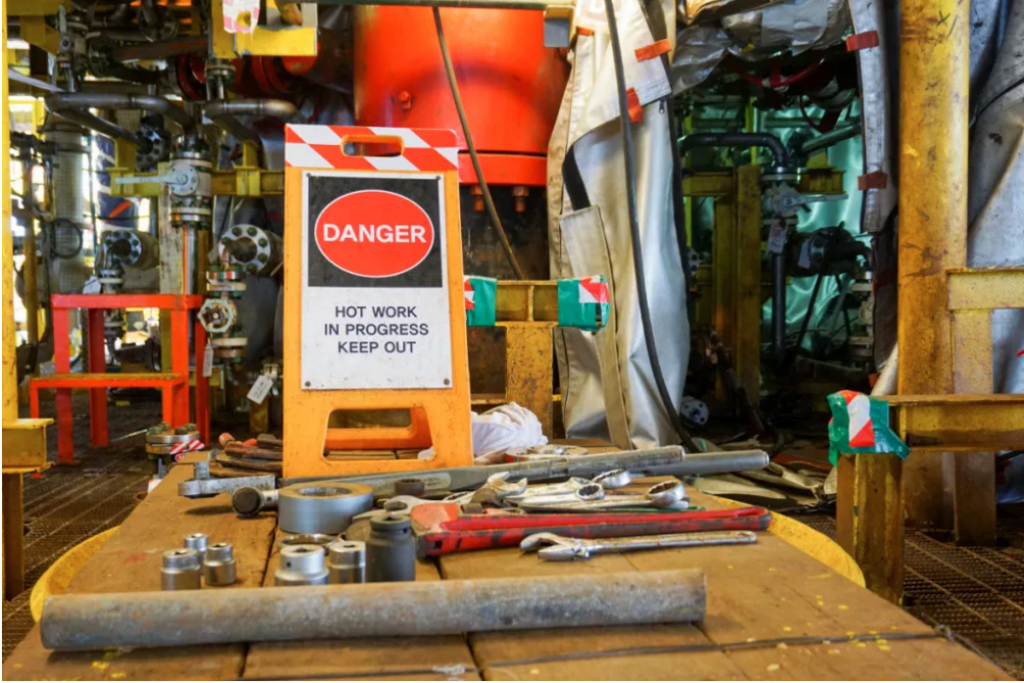
What is A Hot Work Permit: How it Works
Hot work — any task that generates sparks, open flames, or heat sufficient to serve as an ignition source — is one of the leading causes of industrial fires and explosions worldwide. According to the National Fire Protection Association (NFPA), U.S. fire departments respond to thousands of structure fires from hot work activities each year, […]
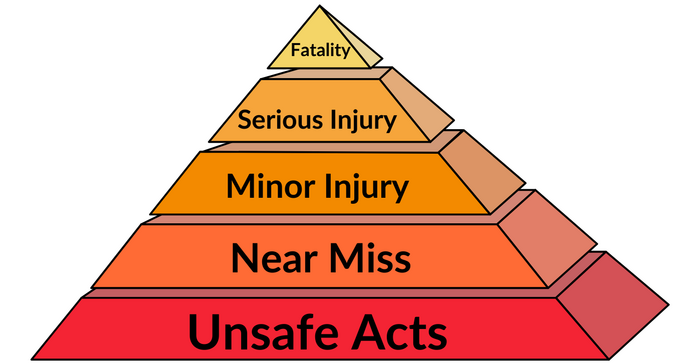
Near Miss Reporting: What it is and Why it’s Important
Near miss reporting is the process of documenting and analyzing unplanned workplace events that did not cause harm but had the potential to result in injury, illness, property damage, or death. According to the U.S. Bureau of Labor Statistics, there were 5,283 fatal workplace injuries in the U.S. in 2023 — and for every fatality, […]
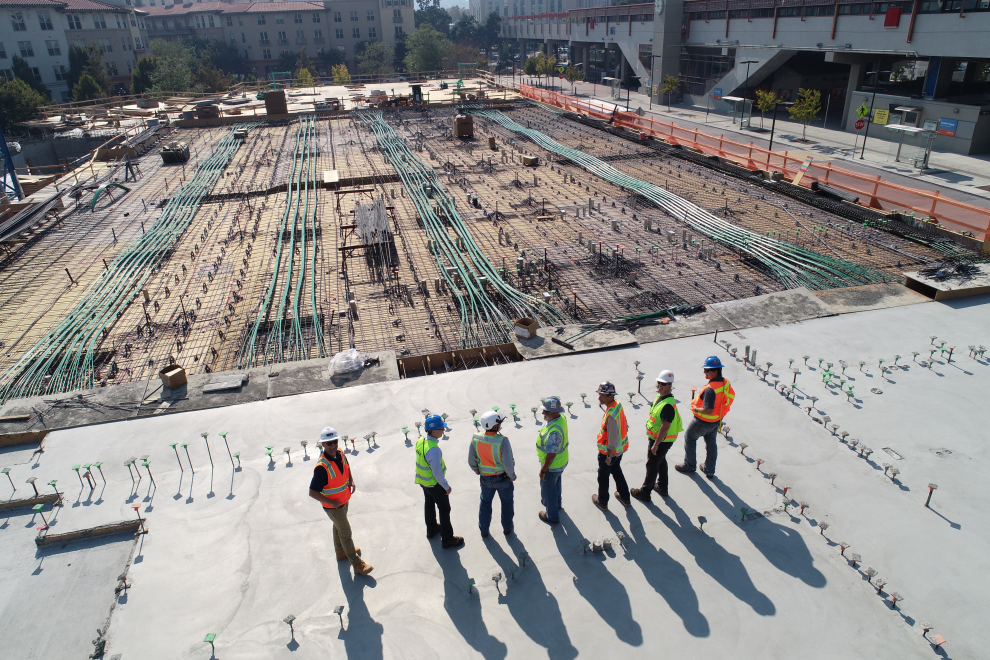
Keep it Seen, Keep it Safe: The Importance of Construction Safety Observations
Construction safety observations are structured, documented assessments of workplace conditions and worker behaviors on construction sites — conducted to identify hazards, prevent incidents, and maintain compliance with OSHA standards. Despite decades of improved safety regulations and oversight, construction remains one of the most hazardous industries in the United States. According to OSHA data, the construction […]
The HACCP Plan: How it Can Help Reduce Food Safety Risk
Food safety is a top priority for Quality Managers, Plant Managers, and food processing organizations alike. As noted by the CDC, more than 48 million Americans get sick each year due to foodborne illness, and over 120,000 are hospitalized. The agency also points out that challenges around food safety will continue to evolve thanks to […]