Summary: A Food Safety Management System (FSMS) provides the structured framework that food production organizations need to ensure products are safe, compliant, and produced to consistent quality standards under FDA FSMA, ISO 22000, and FSSC 22000 requirements. For QA Managers and Quality Engineers, building a robust FSMS directly reduces non-conformance rates, improves audit completion metrics, […]
Version 4.2 Certainty Software Ready for Release
We’re excited to announce the release of version 4.2 of Certainty Software. This release includes improvements to scheduling, checklist builder and the workflow tools. New features introduced in version 4.2 include: Randomized questionsSchedule builder smart filtersRandomized schedulesConditional components based on siteWorkflow step trackingVarious bug fixes. Here is a sneak peek at the new Workflow Step […]

What is a Field Level Hazard Assessment (and Why They Matter)
Summary: A field level hazard assessment is a pre-task review completed at the job site to identify current hazards, evaluate risk, and define controls before work begins. The value of a field level hazard assessment is that it captures site-specific conditions that generic procedures often miss, especially in dynamic, high-risk environments. For frontline teams and […]
Understanding Social Compliance And Self-Audits
Summary: A social compliance audit evaluates whether a business meets ethical labor, health, safety, and environmental standards set by bodies like SEDEX, SAI, and RBA. This guide covers internal self-audit processes, external audit procedures, and key standards to help your organization maintain compliance. A social compliance audit verifies that your business meets ethical labor, health, […]
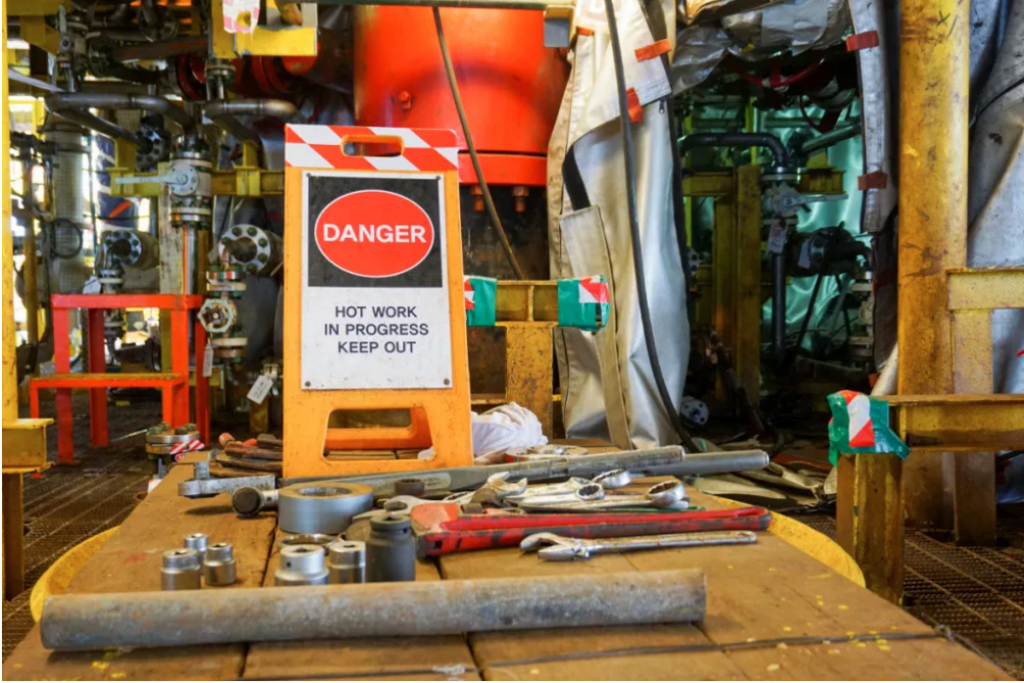
What is A Hot Work Permit: How it Works
Summary: A hot work permit is a documented authorization that confirms welding, cutting, grinding, or other ignition-producing work can proceed only after the area has been checked and required fire controls are in place. For EHS and facility leaders, a strong hot work permit process reduces fire and explosion risk, protects contractors and employees, and […]
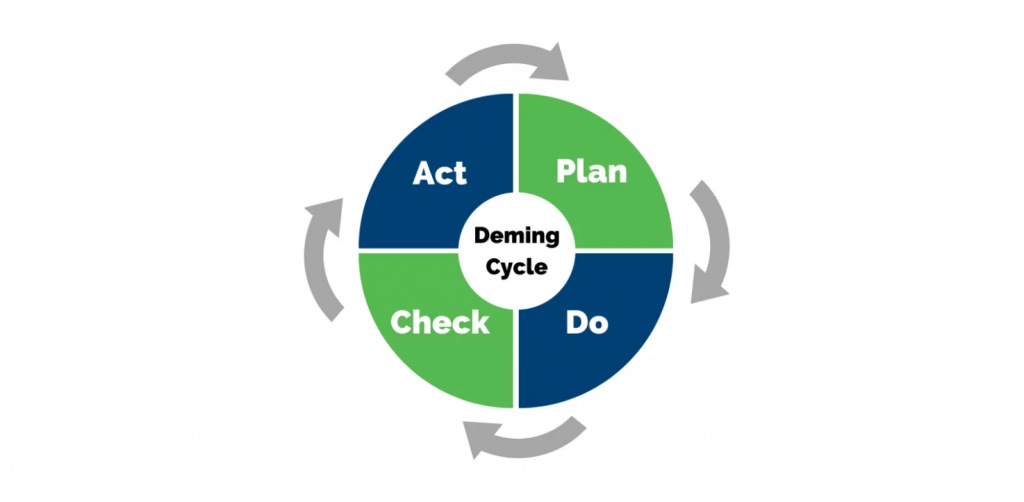
What Is An ISO 9001 Audit And How To Be Prepared
Summary: An ISO 9001 audit systematically evaluates your quality management system against international standards, verifying QMS alignment, identifying non-conformances, and developing corrective actions for continual improvement. Organizations that implement ISO 9001 report up to 18% increases in client satisfaction and 15% cost reductions — making audit preparation a high-impact activity for QA Managers, Quality Engineers, […]

What Are Quality Assurance Inspections And Why They Matter
Summary: Quality assurance inspections are structured evaluations that verify products and processes meet established standards, helping organizations identify defects, reduce non-conformance rates, and lower the cost of poor quality (COPQ). For Quality Managers and Plant Managers operating under ISO 9001, IATF 16949, or FDA cGMP, implementing consistent QA inspection programs is essential for maintaining audit […]
ESG Score: What It Is And Why It Matters
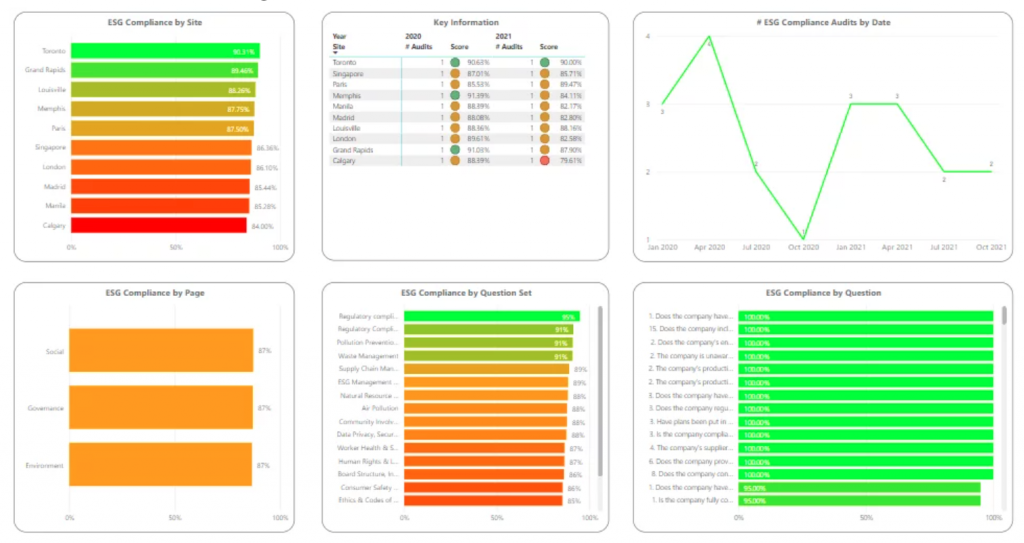
Summary: An ESG score is a numerical measure of how well a company manages environmental, social, and governance performance across its operations, supply chain, and leadership practices. For supply chain and compliance teams, ESG scores matter because they influence investor confidence, benchmark risk exposure, and increasingly support disclosure and due diligence expectations tied to regulations […]
Near Miss Reporting: What it is and Why it’s Important
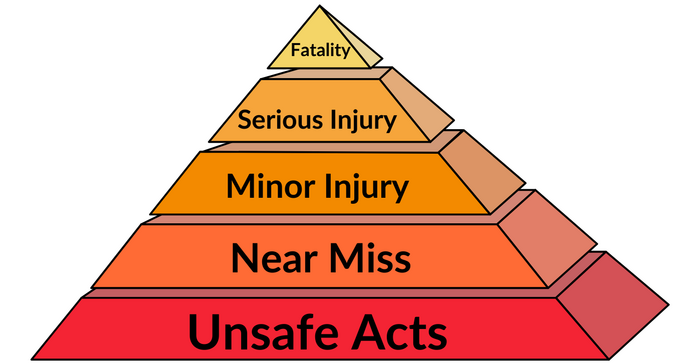
Summary: A near miss is an unplanned event that caused no injury or damage but had clear potential to do so under slightly different conditions. Near miss reporting matters because these events expose weak controls, unsafe behaviors, and hidden hazards before they escalate into recordable injuries or fatalities. For EHS teams, treating near misses as […]

Keep it Seen, Keep it Safe: The Importance of Construction Safety Observations
Summary: Construction safety observations are structured site reviews that identify hazards, unsafe behaviors, and missing controls before they lead to injuries or citations. Effective construction safety observations help crews address recurring risks such as falls, struck-by hazards, PPE misuse, and unsafe equipment practices in real time. For construction safety leaders, they are a practical way […]