Summary: The 6S system combines the five pillars of 5S — sort, straighten, shine, standardize, and sustain — with a sixth element: safety. For Quality Managers and Process Improvement Leads working under ISO 9001 and IATF 16949, implementing 6S creates a standardized, organized workplace that directly reduces process variation, improves first pass yield (FPY), lowers […]
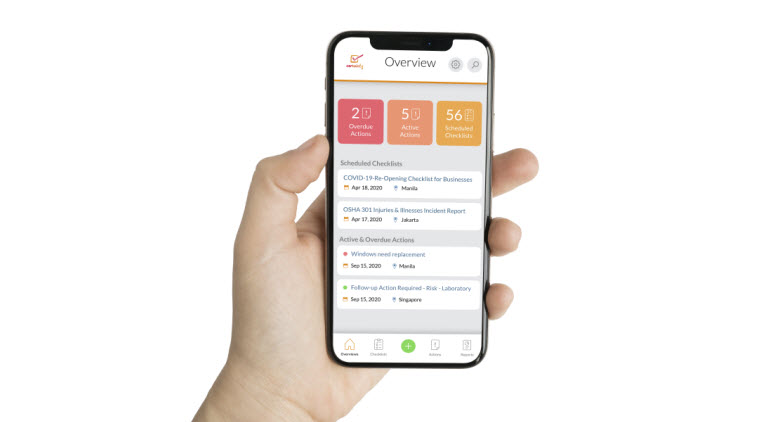
What is a Corrective Action Plan? (CAP).
Summary: A corrective action plan is important because it turns a safety issue or compliance gap into a controlled process for finding root cause, assigning fixes, and preventing recurrence. Instead of relying on temporary workarounds, a corrective action plan creates accountability, documentation, and follow-up that stand up to OSHA inspections and ISO 45001 audits. For […]

Supplier Selection: Finding the Right Fit
Summary: Supplier selection is a structured due diligence process for choosing suppliers that can meet quality, delivery, compliance, and ESG expectations from the start. Strong supplier selection reduces disruption risk, limits regulatory exposure, and improves long-term performance by screening for operational fit and ethical standards before contracts are signed. For procurement leaders, better upfront vetting […]

Supply Chain Audit: A Key Tool to Improve Performance
Summary: A supply chain audit is a structured review of suppliers, processes, and compliance controls used to identify operational, legal, and ESG risks across the supply network. For supply chain managers, a disciplined supply chain audit program is one of the most effective ways to verify standards, improve supplier accountability, and prepare for due diligence […]

Reduced Risk, Increased Resiliency: The Advantage of Supply Chain Management Tools
Summary: Supply chain management tools give organizations the visibility and control needed to monitor suppliers, manage risk, document due diligence, and keep operations running smoothly. The strongest supply chain management tools combine performance tracking, compliance workflows, and ESG data collection so teams can respond faster to disruptions and reporting demands. For supply chain leaders, these […]

Certainty Software Webinar: Improving Safety in the Construction Industry
Summary: This construction safety webinar explores practical ways to reduce falls, improve worker engagement, and strengthen safety performance across active jobsites. Construction remains one of the highest-risk industries in North America, accounting for nearly 20% of all worker fatalities in the United States according to OSHA — with falls, struck-by incidents, electrocutions, and caught-in/between hazards […]
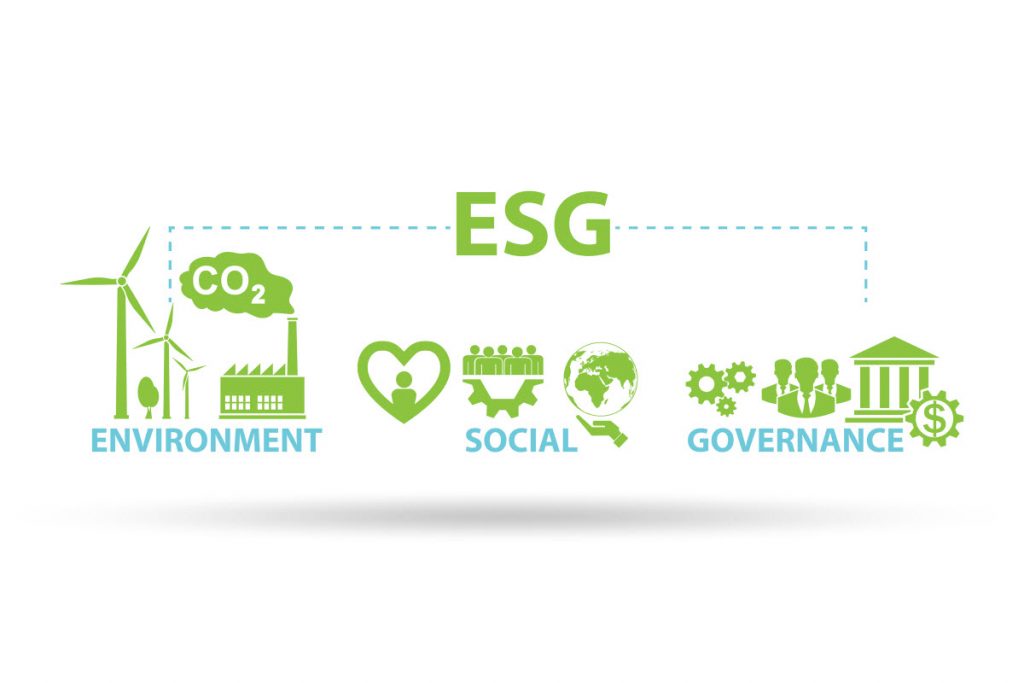
What is ESG and Why it’s Important
Summary: ESG measures how a company manages its environmental impact, social responsibilities, and governance practices across the business and its supply chain. What is environment, social, governance in practice? It is a framework for identifying risk, improving accountability, and meeting rising expectations from regulators, investors, customers, and suppliers. Companies that operationalize ESG strengthen compliance, trust, […]

Gemba Walk: A Modern, Mobile Playbook for Quality & Lean Leaders
Summary: The Gemba walk is a foundational continuous improvement practice where managers observe work processes firsthand on the shop floor rather than relying solely on reports and data. For QA Managers and Quality Engineers, Gemba walks verify that actual practices align with documented QMS procedures required under ISO 9001, helping identify non-conformances, process variation, and […]
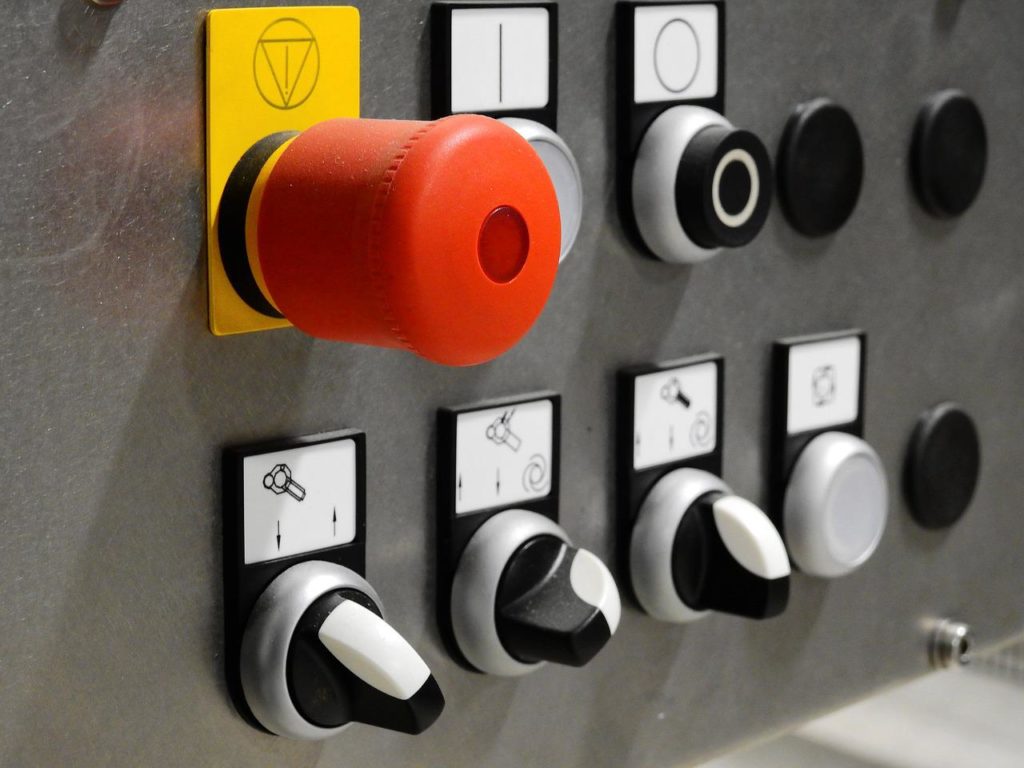
Safeguard Management: Preventive & Mitigative Safety Tool
Summary: A safeguard is any control, barrier, device, or procedure designed to prevent a hazardous event or reduce its consequences if it occurs. In practical safety management, safeguards work best as layered protections that interrupt failure pathways before they reach people, equipment, or the environment. For EHS leaders, defining and maintaining effective safeguards is central […]
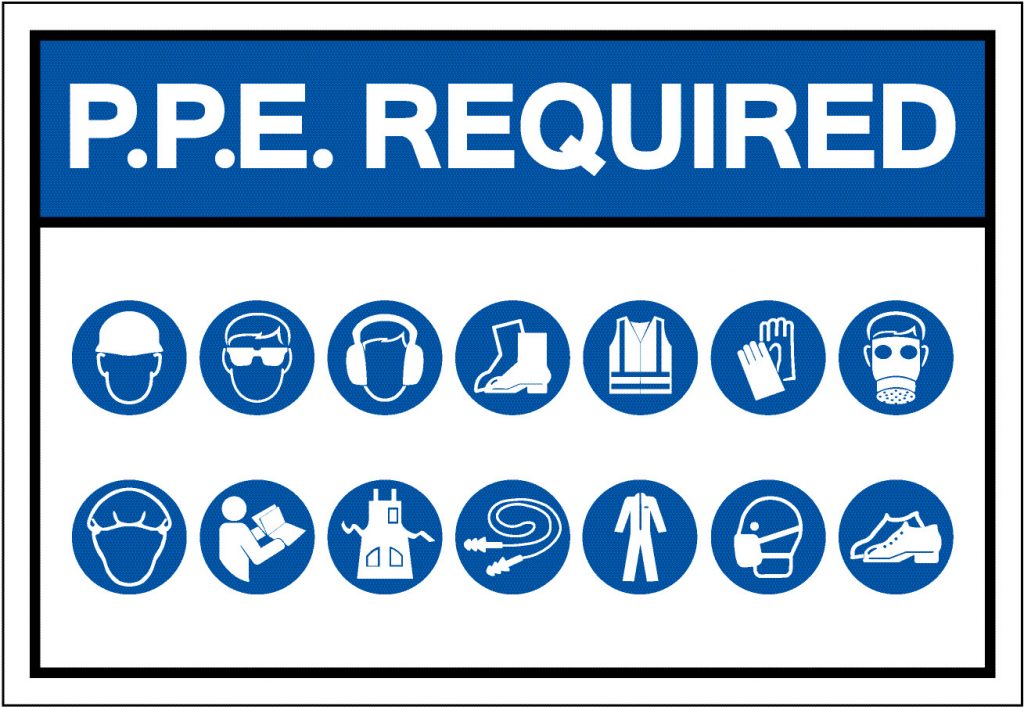
Personal Protective Equipment (PPE): What It Is and Why It Matters for Safety on Your Site
Summary: Personal Protective Equipment, or PPE, is the last line of defense that reduces worker exposure to hazards when engineering and administrative controls cannot eliminate the risk. For construction safety leaders, an effective PPE program depends on hazard assessment, correct equipment selection, training, and enforcement, because PPE only improves workplace safety when workers have the […]