Auditing is a process of verifying and evaluating a business’s compliance, quality, and performance. However, there are different types of audits that serve different purposes and have different requirements. In this blog post, you will learn what first-party, second-party, and third-party audits are, how they differ, and why they are important for your business […]

3 Customer Satisfaction Metrics to boost customer loyalty
Summary: Customer satisfaction metrics — Net Promoter Score (NPS), Customer Satisfaction Score (CSAT), and Customer Effort Score (CES) — provide Quality Managers with auditable, ISO 9001 Clause 9.1.2-compliant data on how well products and services meet customer expectations. Tracking these KPIs delivers insights that go beyond marketing into quality, safety, and supply chain improvements, helping […]
GRI Standards Collection and Reporting — What it is and Why it Matters
Summary: GRI Standards give organizations a structured way to measure and disclose ESG impacts in a format that is consistent, credible, and comparable. For supply chain and compliance teams, GRI Standards help translate sustainability goals into reportable data that supports CSRD alignment, investor expectations, and supplier oversight. Using GRI well improves transparency and makes ESG […]

The Supplier Compliance Audit: What it is (and Why You Need One)
Summary: A supplier compliance audit verifies whether suppliers meet regulatory, contractual, environmental, labor, and quality requirements with documented evidence rather than assumptions. For supply chain managers, regular supplier compliance audits are now essential for reducing supplier risk and meeting CSDDD, CSRD, and LkSG due diligence expectations. A strong audit process improves accountability, protects market access, […]

Targeting Total Quality: How a Total Quality Management Audit can Help
Summary: A Total Quality Management (TQM) audit evaluates manufacturing processes, supply chain frameworks, and customer experiences to identify inefficiencies that contribute to the 20-30% of revenue companies lose annually to process waste. For QA Directors, Quality Engineers, and Lead Auditors operating under ISO 9001, IATF 16949, or FDA cGMP, TQM audits replace paper-based assessments with […]
Longo’s Wins RCC’s 2022 Excellence in Retailing Award
Digital injury prevention earned Longo's the Retail Council of Canada's 2022 Excellence in Retailing Award in Health, Safety and Wellness. By switching from paper-based safety logging to Certainty Software's digital platform, Longo's achieved a 60% decrease in front-end department incidents. Here is how they did it. Summary: Digital injury prevention transformed Longo's safety program after […]

4 Steps to Perform a Workplace Safety Inspection
Summary: The purpose of workplace safety inspections is to find hazards, verify compliance, and correct unsafe conditions before they cause injuries, downtime, or enforcement action. Regular workplace safety inspections strengthen a safety management system by creating visible accountability, better documentation, and faster follow-through on identified risks. For EHS managers, inspections are one of the most […]

The Four Phases of a Continuous Improvement Assessment — and What They Mean for Your Business
Summary: A continuous improvement assessment follows four structured phases — plan, do, check, act — to help organizations systematically identify non-conformances, reduce cost of poor quality (COPQ), and strengthen their quality management systems. For Quality Managers, Plant Managers, and Process Improvement Leads working under ISO 9001 Clause 10 and IATF 16949, this PDCA-based framework maximizes […]

Keeping Quality High: The Benefits of a Layered Process Audit
Summary: Layered process audits (LPAs) use frequent, multi-level assessments of manufacturing processes to identify root causes of defects before they reach finished products, helping organizations meet acceptance quality limits under ISO 2859-1. For Quality Managers and Plant Managers operating under ISO 9001, IATF 16949, and VDA 6.3, implementing LPAs provides a structured approach to reducing […]
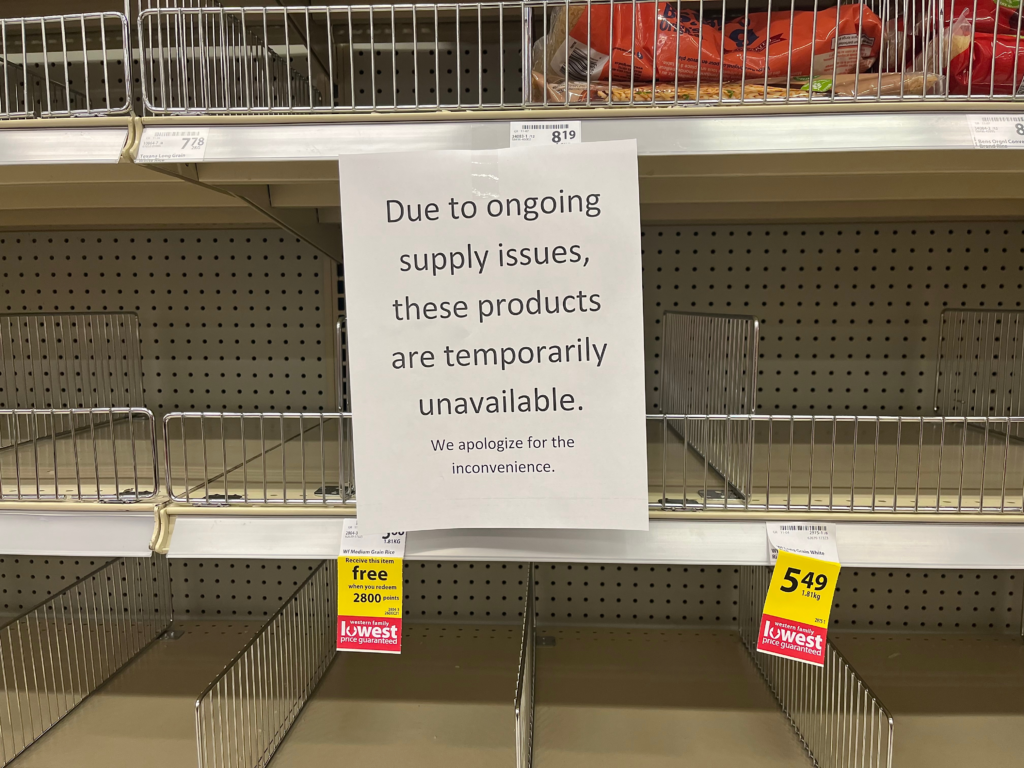
What is a Supply Chain Vulnerability Assessment?
Summary: A supply chain vulnerability assessment helps organizations identify and prioritize the weak points most likely to disrupt operations, from single-source dependencies and cyber risk to regulatory and geopolitical exposure. For supply chain managers, vulnerability assessment is increasingly part of formal due diligence because regulations such as CSDDD and LkSG require companies to find and […]