Summary: Good Manufacturing Practices (GMP) form the regulatory foundation of food safety quality management, governing facilities maintenance, equipment design, sanitation controls, and record keeping under FDA oversight. For QA Managers and Quality Engineers in food production, good manufacturing practices compliance is a prerequisite for meeting broader quality frameworks including ISO 22000, FSSC 22000, and HACCP — and digital audit tools help ensure these practices are consistently verified across all production facilities.
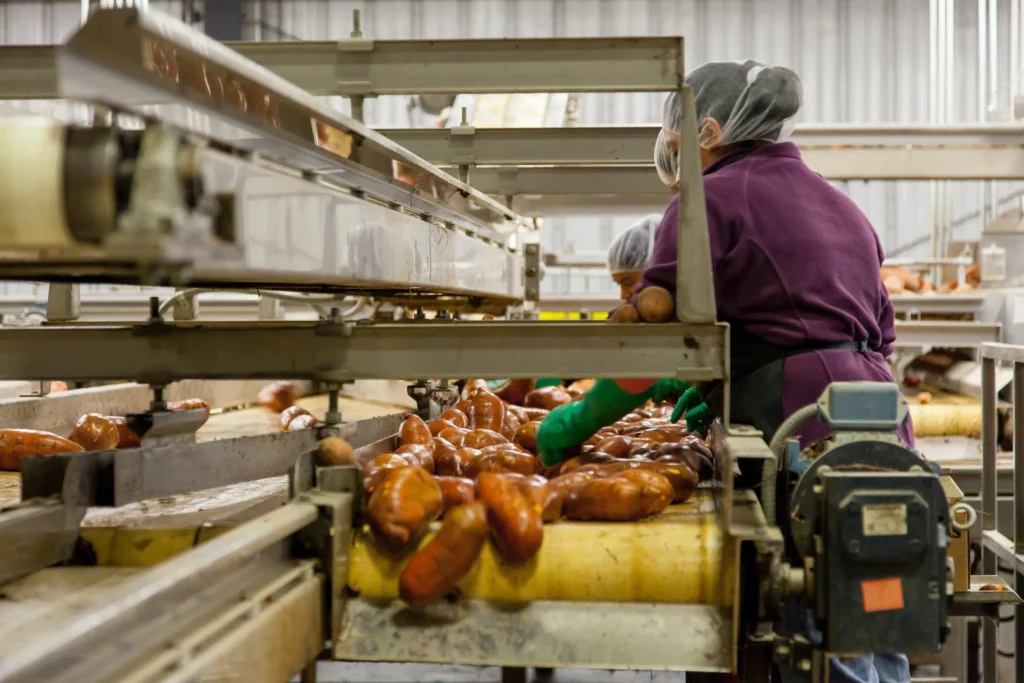
Good Manufacturing Practices (GMP) are the FDA-mandated baseline requirements that food processors and manufacturers must follow to produce safe, unadulterated food products — covering everything from facility design and equipment maintenance to personnel hygiene, sanitation controls, and record keeping. Under the Food Safety Modernization Act (FSMA) and FDA’s Current Good Manufacturing Practice regulations (21 CFR Part 117), manufacturers are required to implement processes that actively prevent — not merely react to — contamination risks, whether from known pathogens or environmental hazards. The scale of the problem underscores why this matters: according to the CDC, approximately 48 million Americans suffer a foodborne illness each year, resulting in more than 128,000 hospitalizations and approximately 3,000 deaths annually. A robust GMP program is not just a regulatory obligation — it is the operational foundation that protects public health, shields your brand from costly recalls, and positions your business for long-term growth.
To help standardize the creation and implementation of food safety processes, the U.S. Food and Drug Administration (FDA) has established these best-practice guidelines under the GMP framework. Here is a look at what GMP requires, where it applies, how to achieve and maintain certification, and how your business can make the most of this essential food safety standard.
What are Good Manufacturing Practices (GMP)?
According to the FDA, “GMPs describe the methods, equipment, facilities, and controls for producing processed food.” Good Manufacturing Practices were developed to standardize frameworks around facilities management, food processing, and packaging operations in order to reduce the risk of foodborne illness throughout the supply chain and provide clear compliance directives to food processors and manufacturers. Under FSMA’s Preventive Controls for Human Food rule (21 CFR Part 117 Subpart B), Current Good Manufacturing Practice (cGMP) requirements are now integrated directly into a facility’s Food Safety Plan — making them not only best practice but a binding legal obligation for facilities that manufacture, process, pack, or hold food for U.S. consumption.
Key components of GMP compliance include adequate maintenance of facilities and buildings; the design and maintenance of equipment and utensils; comprehensive record keeping and traceability; reliable sanitization programs and pest control; employee hygiene and training requirements; and the establishment of defect action levels (DALs) that may trigger FDA enforcement responses. GMP requirements span both general standards — such as maintaining plumbing of “adequate size and design” — and highly specific obligations, such as installing self-closing doors on all toilet facilities accessible from food production areas.
It is also worth noting the distinction between GMP and cGMP: while GMP refers to the foundational good manufacturing practices framework, cGMP (Current Good Manufacturing Practice) emphasizes that these practices must reflect the latest available technologies and methods. FDA-regulated food businesses are expected to implement cGMP, meaning compliance requirements evolve as industry standards and scientific understanding advance.
Benefits of GMP Certification for Food Businesses
GMP certification is a voluntary process that formally demonstrates your compliance with Good Manufacturing Practices for food safety, verified by an independent third-party auditor. Beyond meeting baseline regulatory requirements, achieving this certification delivers measurable competitive and operational advantages. By obtaining certification, you can:
- Enhance your reputation and credibility among customers, retail partners, suppliers, and regulatory agencies — demonstrating that your food safety processes meet or exceed industry benchmarks
- Reduce the risk of foodborne illness outbreaks, product recalls, and associated legal liability — the average cost of a food recall exceeds $10 million in direct costs alone, not counting brand damage
- Improve operational efficiency and productivity by standardizing procedures, reducing rework, and minimizing waste caused by contamination or non-conformance events
- Gain a competitive edge in the market and satisfy the audit requirements of major retail and foodservice customers who require supplier certification as a condition of business
- Access new markets and export opportunities, particularly in regions where GMP or equivalent certification (such as GFSI-recognized standards including SQF, BRC, or FSSC 22000) is a market entry requirement
How to Achieve GMP Certification
To achieve GMP certification, your facility must undergo an audit by a qualified third-party certification body that verifies your adherence to GMP standards across all relevant operational areas. The audit will evaluate your systems, documentation, and physical practices against regulatory requirements, covering aspects such as:
- Facility design and maintenance — including structural integrity, lighting, ventilation, and pest exclusion measures that prevent contamination
- Equipment design and maintenance — ensuring food-contact surfaces are cleanable, non-toxic, and properly maintained to prevent contamination of food products
- Personnel hygiene and training — covering handwashing practices, illness reporting policies, protective clothing requirements, and GMP awareness training for all employees
- Sanitation and pest control — including cleaning and sanitizing schedules, chemical controls, and integrated pest management programs
- Production and process controls — verifying that critical parameters such as temperature, time, pH, and moisture are monitored and documented throughout production
- Record keeping and traceability — ensuring complete, accurate, and retrievable documentation of all GMP-relevant activities to support FDA inspections and product traceability in the event of a recall
Common GMP Violations and How to Avoid Them
GMP violations occur when a facility fails to comply with one or more GMP requirements — whether through inadequate documentation, lapsed sanitation practices, or insufficient employee training. FDA Warning Letters and Form 483 inspection observations consistently cite the same categories of GMP non-compliance. Common violations include:
- Lack of proper documentation and records — including incomplete batch records, missing cleaning logs, and undocumented corrective actions that leave facilities unable to demonstrate compliance during an FDA inspection
- Inadequate cleaning and sanitizing of equipment and utensils — particularly food-contact surfaces where residue buildup creates conditions for pathogen growth and cross-contamination
- Poor personal hygiene and health practices among employees — including failures to enforce handwashing protocols, illness exclusion policies, or proper use of protective clothing in production areas
- Improper storage and handling of raw materials and finished products — such as failure to segregate allergens, maintain temperature controls, or rotate stock on a FIFO basis
- Failure to monitor and control critical process parameters — including temperature, pH, water activity (Aw), and moisture content that directly impact the safety and shelf life of food products
- Use of expired, mislabeled, or contaminated ingredients or additives — resulting from inadequate supplier verification programs or insufficient incoming ingredient inspection procedures
To avoid GMP violations and maintain a state of continuous compliance readiness, you should:
- Implement a written GMP program that clearly documents your policies, procedures, and responsibilities for every area of food safety compliance
- Train all staff — from production workers to supervisors — on GMP requirements, their individual roles and responsibilities, and the consequences of non-compliance
- Conduct regular GMP inspections and internal audits to proactively identify compliance gaps, document findings, and initiate corrective actions before they become violations
- Correct all non-conformities and deviations promptly, document the corrective actions taken, and verify their effectiveness to prevent recurrence
- Review and update your GMP program regularly to reflect changes in FDA regulations, FSMA guidance, process modifications, or new product introductions
What is a GMP Audit?
A GMP audit is a systematic, end-to-end evaluation of a facility’s compliance with GMP standards, conducted by either a regulatory authority, a certification body, or a qualified internal auditor. The primary goal of a GMP audit is to identify non-conformances and areas of risk, then drive corrective actions that close compliance gaps before they result in a product recall, regulatory Warning Letter, or enforcement action. Regular internal GMP audits are among the most cost-effective investments a food manufacturer can make: the expense of a proactive audit program is typically far less than the direct costs of an FDA-initiated inspection finding, a product hold, or a voluntary recall — let alone the reputational damage that follows a high-profile food safety failure.
Best bet? Start with a GMP checklist to assess where your current processes meet expectations and where they need improvement before an external auditor walks through the door.
How to Prepare for a GMP Audit and What to Expect
A GMP audit assesses your facility’s compliance with applicable good manufacturing practices standards through a structured review of documentation, physical conditions, and operational practices conducted by an external auditor. GMP audits can be initiated by:
- A regulatory authority such as the FDA, USDA, or the Canadian Food Inspection Agency (CFIA) conducting a routine or for-cause facility inspection
- A GFSI-recognized certification body offering GMP or food safety management system certification (such as SQF, BRC GlobalStandards, FSSC 22000, or IFS Food)
- A retail customer or supply chain partner that requires third-party GMP verification as a condition of supplier approval or ongoing commercial relationship
To prepare for this audit and maximize your chances of a successful outcome, you should:
- Review your GMP program in full and confirm it is current, complete, and consistent with the latest FDA regulations and any applicable GFSI standard requirements
- Gather and organize all supporting documentation — including cleaning logs, training records, environmental monitoring results, corrective action reports, and supplier verification records — so they are readily available for auditor review
- Conduct a thorough self-audit or mock audit using a comprehensive GMP checklist to identify vulnerabilities and address them before the formal audit
- Review and close out all open findings or recommendations from previous audits, inspections, or internal non-conformance reports
- Communicate with the auditor in advance to confirm the audit scope, schedule, documentation requirements, and any specific focus areas relevant to your facility type or product category

30+ Audit and inspection checklists free for download.
How to Implement GMP Training for Your Staff
GMP training is a core requirement of 21 CFR Part 117 and a critical component of any effective food safety program. All personnel who handle food or food-contact surfaces, or who supervise those who do, must receive training commensurate with their duties. Poorly trained employees are among the leading contributors to GMP violations — which is why a structured, documented training program is not optional. To implement effective GMP training across your organization, you should:
- Conduct a training needs analysis to determine which employees require GMP training, at what depth, in what format, on what schedule, and how training effectiveness will be measured and documented
- Develop a written training plan that specifies learning objectives, content coverage, delivery methods, training resources, scheduling, and assessment criteria aligned with your facility’s GMP program
- Deliver training using a variety of methods appropriate to the audience — including instructor-led sessions, hands-on demonstrations, digital e-learning modules, video-based instruction, and scenario-based quizzes — to maximize knowledge retention and engagement
- Evaluate training effectiveness through written assessments, practical observations, and supervisor feedback to confirm that employees can apply GMP principles correctly in their specific work roles
- Record and document all training activities, completion dates, assessment scores, and trainer qualifications in a centralized system to support FDA inspection readiness and certification audit requirements
- Review and refresh your training program at least annually — and immediately following any regulatory updates, process changes, new product introductions, or post-incident corrective actions that affect GMP requirements
Food Safety First
GMP and cGMP are the operational backbone of any effective food safety management system. By staying current with FDA and FSMA requirements, conducting regular internal GMP audits and inspections with comprehensive checklists, delivering consistent staff training, and building a culture of continuous improvement, food manufacturers can reduce the risk of recalls, protect consumers, and maintain the compliance confidence needed to pass regulatory inspections and retain key customer relationships. The organizations that treat GMP not as a minimum compliance obligation but as a strategic business standard are the ones best positioned to build lasting trust in the marketplace.
Ready to boost GMP best practices? Take on food safety with Certainty.
You may also be interested in:
Certainty Helps with Covid19 Pandemic Health & Safety Response At An Award-Winning Grocer
Using Certainty as a solution to manage GMP audits and food safety
Frequently Asked Questions (FAQs)
What is the difference between GMP and HACCP?
GMP (Good Manufacturing Practices) and HACCP (Hazard Analysis and Critical Control Points) are complementary but distinct food safety frameworks. GMP establishes the baseline operational and hygiene conditions required for safe food production — essentially the foundation on which food safety is built. HACCP is a systematic, science-based approach to identifying, evaluating, and controlling specific food safety hazards at critical points in the production process. FSMA’s Preventive Controls rule integrates elements of both: cGMPs form the Prerequisite Programs that support a facility’s HACCP-based Food Safety Plan.
Who does FDA’s Current Good Manufacturing Practice (cGMP) regulation apply to?
FDA’s cGMP regulation (21 CFR Part 117 Subpart B) applies to facilities that manufacture, process, pack, or hold food for human consumption in the United States, with some exemptions for very small businesses, farms, and certain retail operations. Dietary supplement manufacturers are subject to separate cGMP requirements under 21 CFR Part 111. Facilities subject to FSMA’s Preventive Controls rule must comply with cGMP requirements as part of their overall Food Safety Plan obligations.
How can digital audit tools improve GMP compliance?
Digital inspection and audit platforms like Certainty enable food safety managers to standardize GMP audit checklists, conduct inspections on mobile devices in the facility, automatically generate corrective action tasks when non-conformances are identified, and produce real-time compliance dashboards across multiple sites. This eliminates the documentation gaps and delayed response times that characterize paper-based GMP programs, and creates an always-current, auditable record of your food safety compliance activities that supports both FDA inspections and third-party certification audits.