Summary: HACCP (Hazard Analysis Critical Control Point) is a systematic, prevention-based methodology that identifies and controls food safety hazards throughout the entire production and processing chain, rather than relying on finished-product testing alone. For Quality Managers, Plant Managers, and food safety professionals, this framework serves as the foundation for compliance with FDA cGMP, ISO 22000, […]
Tier 1, 2, and 3 Suppliers: What They Are and Why They Matter for Your Supply Chain
Summary: Understanding tier 1, tier 2, and tier 3 suppliers is no longer optional because supply chain due diligence obligations increasingly extend beyond direct vendors. Familiarity with lower-tier suppliers improves continuity of supply, exposes hidden human rights or environmental risks, and strengthens compliance with CSDDD, LkSG, CSRD, and UFLPA expectations. For procurement teams, multi-tier supplier […]
The Top 5 Safety Metrics You Should be Tracking
Summary: Safety metrics turn workplace safety from guesswork into a measurable management system by showing where incidents, delays, and unresolved hazards are actually occurring. Tracking TRIR, DART, LTIFR, near misses, and time to resolution gives EHS managers both lagging and leading indicators they can use to prevent injuries, support OSHA compliance, and strengthen ISO 45001 […]
The Difference Between Leading and Lagging Safety Indicators
Summary: Leading and lagging safety indicators work together to show both future risk and past performance within a safety management system. Leading indicators measure preventive activity like inspections, training, and hazard reporting, while lagging indicators track results such as injuries, recordables, and lost time incidents. For EHS managers, using both types of safety indicators creates […]

Leading Safety Indicators: Examples and Applications
Summary: Leading safety indicators are proactive measures, such as inspection completion, training participation, and near-miss reporting, that show whether a safety program is preventing incidents before harm occurs. Unlike lagging metrics that only record past outcomes, leading safety indicators help EHS teams spot weakness early and intervene faster. For Safety Directors, tracking the right leading […]
The Impact of Lagging Safety Indicators on Workplace Operations
Summary: Lagging indicators measure incidents and losses that have already occurred, making them essential for understanding historical safety performance and identifying recurring risk patterns. For safety managers, metrics such as recordable injuries, lost time, and severity rates provide the baseline needed to evaluate whether controls are working. Lagging indicators are most useful when they inform […]
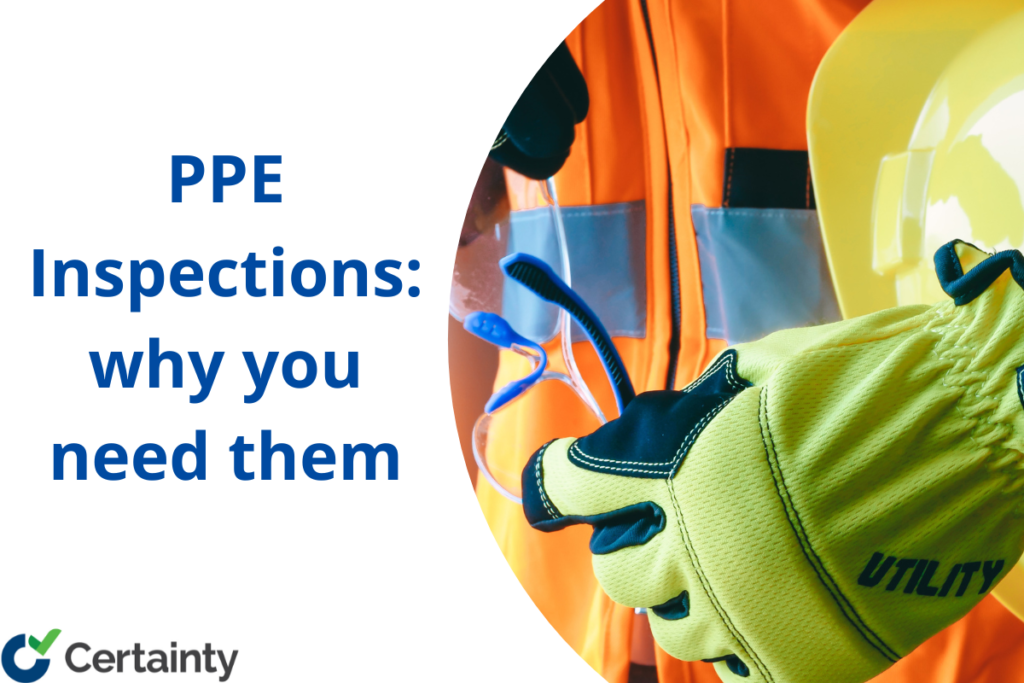
PPE Inspections: What They Are and Why You Need Them
Summary: Personal protective equipment is only effective when the right PPE is selected, used correctly, and inspected regularly to confirm it still protects against workplace hazards. For safety managers, PPE compliance is not just about issuing gear; it requires structured inspection, maintenance, and replacement processes aligned with OSHA requirements. Strong PPE programs reduce injury risk, […]
The Global Impact of The German Supply Chain Act (GSCA)
Summary: The German Supply Chain Act affects not only large German companies but also the global suppliers that support them, making human rights and environmental performance a direct business requirement. For supply chain managers, LkSG means supplier risk now includes documented due diligence expectations that can cascade across tiers and borders. Companies selling into Germany […]
FeaturedCustomers selects Certainty Software as a 2022 EHS Management Software Rising Star
Summary: FeaturedCustomers is a B2B software reference platform that helps buyers evaluate vendors using verified customer success content such as testimonials, case studies, and videos. For EHS software buyers, a FeaturedCustomers Rising Star award signals that a platform is gaining traction and delivering measurable value in real-world use. The recognition matters because it reflects market […]
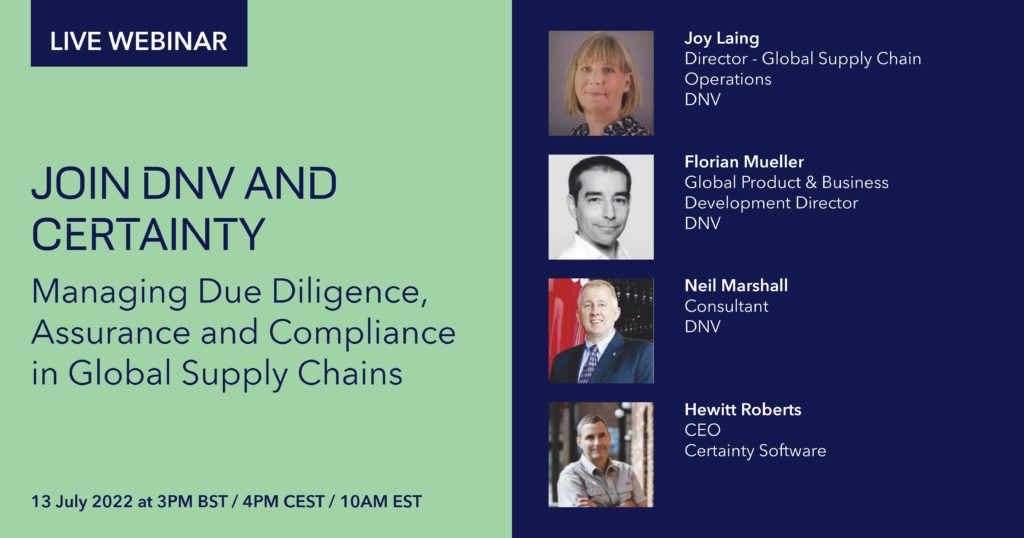
Certainty and DNV Webinar: The importance of supplier due diligence, quality assurance, and compliance management
Summary: The due diligence process has become a critical quality management challenge as regulations including Germany's Supply Chain Act, the EU CSDDD, and the EU CSRD now require companies to document active due diligence across their entire value chains. For QA Managers and Quality Engineers, this Certainty and DNV webinar addresses the intersection of supplier […]