Summary: IATF 16949 is the global quality management system standard developed specifically for the automotive industry, building on ISO 9001 with additional requirements for defect prevention, variation reduction, and supply chain management. Certification demonstrates a manufacturer's commitment to producing safe, reliable automotive components while meeting the stringent expectations of OEMs worldwide. Implementing IATF 16949 drives […]
Quality Management
5 Challenges When Switching From Paper-based Inspections to Digital Inspections
Table of contents Summary: Digital inspections help teams replace paper forms with faster, more consistent, and easier-to-report inspection processes. While the transition can involve change management, training, device costs, and security concerns, those challenges can be managed with the right rollout plan. Digital inspections help organizations replace slow, error-prone paper processes with faster data capture […]
ISO 9001: an Overview of the Quality Management System Standard
Summary: ISO 9001 is the internationally recognized standard for quality management systems, certified by over one million organizations across 170+ countries. It provides a framework for building consistent, customer-focused processes through a Plan-Do-Check-Act cycle of continuous improvement. Organizations that achieve ISO 9001 certification can reduce non-conformance rates, lower the cost of poor quality, and demonstrate […]

What is VDA 6.3?
Summary: VDA 6.3 is a process audit standard developed by the German Association of the Automotive Industry (VDA) that evaluates manufacturing and service processes across the automotive supply chain for quality compliance. For Quality Engineers, QA Managers, and Lead Auditors in the automotive sector, VDA 6.3 builds on ISO 9001 and IATF 16949 requirements to […]
The CAPA Process: Six Steps for Improved Quality Management
Summary: The CAPA (Corrective and Preventive Action) process provides a six-step framework for identifying non-conformances, determining root causes, implementing corrections, and preventing recurrence — making it one of the most powerful tools available for reducing cost of poor quality (COPQ). Required under ISO 9001 Clause 10.2, FDA cGMP (21 CFR Part 820), and IATF 16949, […]
What is an ISO Audit — and Why Does Your Business Need One?
Summary: An ISO audit is a systematic, independent evaluation of your organization's practices against internationally recognized standards for quality management, environmental management, or information security. For QA Managers, Quality Directors, and Lead Auditors, ISO audits validate that quality management systems are functioning effectively and drive measurable improvements in non-conformance rates, audit completion rates, and time […]
Quality Control Inspections: 5 Common Types to Boost Your QMS
Summary: Quality control inspections — including pre-production, in-line, final, and incoming inspections — verify that products meet established standards at every stage of the manufacturing process. For QA Managers and Quality Engineers tracking first pass yield (FPY), cost of poor quality (COPQ), and non-conformance rates under ISO 9001, IATF 16949, or FDA cGMP, implementing the […]

Audit Types Explained: What You Need to Know About First, Second, and Third-Party Audits
Auditing is a process of verifying and evaluating a business’s compliance, quality, and performance. However, there are different types of audits that serve different purposes and have different requirements. In this blog post, you will learn what first-party, second-party, and third-party audits are, how they differ, and why they are important for your business […]

3 Customer Satisfaction Metrics to boost customer loyalty
Summary: Customer satisfaction metrics — Net Promoter Score (NPS), Customer Satisfaction Score (CSAT), and Customer Effort Score (CES) — provide Quality Managers with auditable, ISO 9001 Clause 9.1.2-compliant data on how well products and services meet customer expectations. Tracking these KPIs delivers insights that go beyond marketing into quality, safety, and supply chain improvements, helping […]

Targeting Total Quality: How a Total Quality Management Audit can Help
Summary: A Total Quality Management (TQM) audit evaluates manufacturing processes, supply chain frameworks, and customer experiences to identify inefficiencies that contribute to the 20-30% of revenue companies lose annually to process waste. For QA Directors, Quality Engineers, and Lead Auditors operating under ISO 9001, IATF 16949, or FDA cGMP, TQM audits replace paper-based assessments with […]

The Four Phases of a Continuous Improvement Assessment — and What They Mean for Your Business
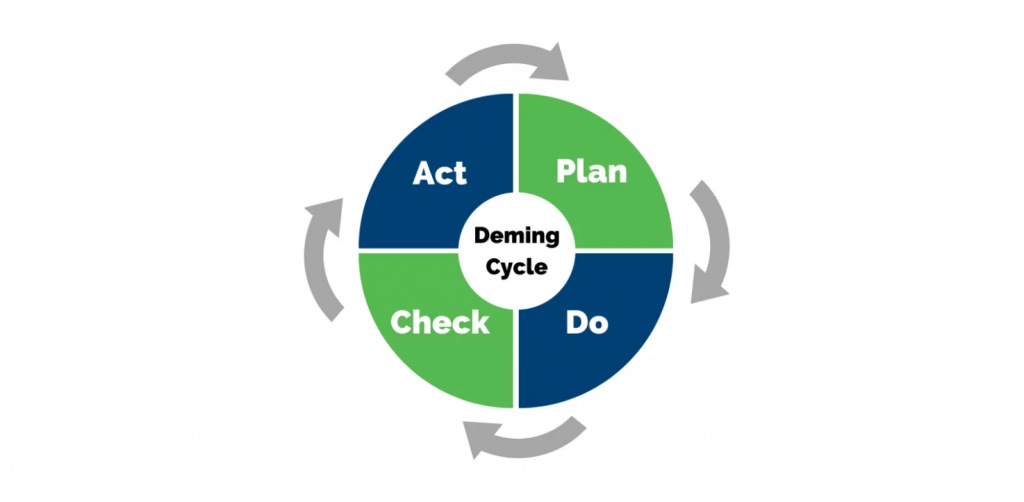
Summary: A continuous improvement assessment follows four structured phases — plan, do, check, act — to help organizations systematically identify non-conformances, reduce cost of poor quality (COPQ), and strengthen their quality management systems. For Quality Managers, Plant Managers, and Process Improvement Leads working under ISO 9001 Clause 10 and IATF 16949, this PDCA-based framework maximizes […]

Keeping Quality High: The Benefits of a Layered Process Audit
Summary: Layered process audits (LPAs) use frequent, multi-level assessments of manufacturing processes to identify root causes of defects before they reach finished products, helping organizations meet acceptance quality limits under ISO 2859-1. For Quality Managers and Plant Managers operating under ISO 9001, IATF 16949, and VDA 6.3, implementing LPAs provides a structured approach to reducing […]
What Is An ISO 9001 Audit And How To Be Prepared
Summary: An ISO 9001 audit systematically evaluates your quality management system against international standards, verifying QMS alignment, identifying non-conformances, and developing corrective actions for continual improvement. Organizations that implement ISO 9001 report up to 18% increases in client satisfaction and 15% cost reductions — making audit preparation a high-impact activity for QA Managers, Quality Engineers, […]

What Are Quality Assurance Inspections And Why They Matter
Summary: Quality assurance inspections are structured evaluations that verify products and processes meet established standards, helping organizations identify defects, reduce non-conformance rates, and lower the cost of poor quality (COPQ). For Quality Managers and Plant Managers operating under ISO 9001, IATF 16949, or FDA cGMP, implementing consistent QA inspection programs is essential for maintaining audit […]
Kaizen for Continuous Improvement: How it Works
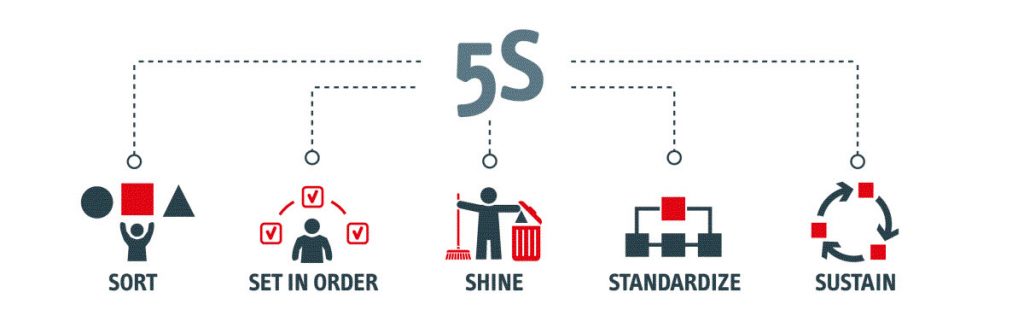
Summary: Kaizen, the Japanese continuous improvement methodology, provides a structured framework of incremental process refinements that directly align with ISO 9001 Clause 10.3 and IATF 16949 requirements for continual improvement. Built on the 5S principles of sort, straighten, shine, standardize, and sustain, Kaizen empowers QA Managers and Quality Engineers to systematically reduce non-conformance rates, improve […]