From Bowtie Analysis, to training programs, discover 8 of the most effective risk management techniques and strategies your operations can implement quickly. Learn to how to better manage your risk mitigation efforts with this blog post. […]
Supply Chain Management
How to Use Key Risk Indicators to Manage Risks and Improve Performance
Risk is inevitable in any business, but it can also be a source of opportunity and competitive advantage. You may have tried to use traditional risk management approaches, where each business unit leader is responsible for managing risks within their area of responsibility. Discover how to mitigate risk with Key Risk Indicators. […]
ISO 19011: A Comprehensive Guide to Quality Management Auditing
Summary: ISO 19011 provides comprehensive guidelines for planning, conducting, and improving management system audits across any standard, including ISO 9001, IATF 16949, and ISO 14001. It establishes the principles of effective auditing, defines auditor competence requirements, and offers a structured approach to managing audit programs that drive continuous improvement. Following ISO 19011 guidelines helps organizations […]
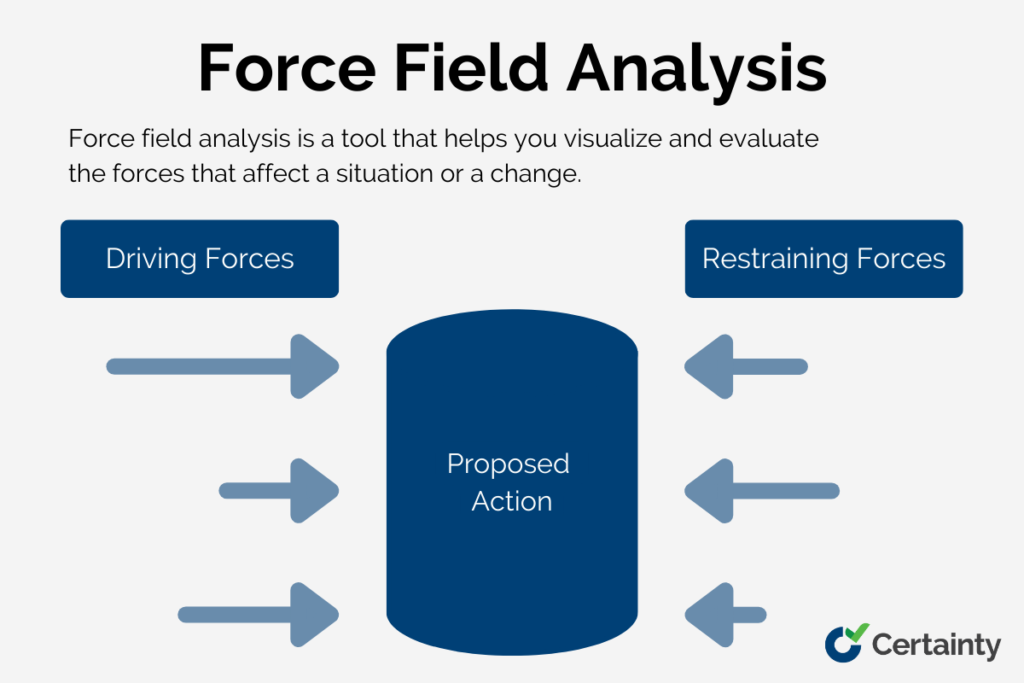
How to Use Force Field Analysis to Manage Change and Improve Performance
Summary: Force field analysis is a change management tool that identifies the driving forces supporting a desired change and the restraining forces working against it. By systematically mapping and scoring these opposing forces, quality teams can develop targeted strategies to strengthen drivers and weaken barriers, leading to more successful process improvements. This technique is particularly […]

Certainty and AI: Implementing AI in Certainty to Reduce Risk, Improve Performance, and Fuel Innovation and Growth
In this blog post, we will share the benefits of implementing AI in Certainty to enhance our product features and benefits for our customers. We will also explain some tips to best prepare your AI implementation. […]
How to Comply with FSVP: A Guide for Importers of Food
Summary: The Foreign Supplier Verification Program (FSVP) is a mandatory FDA requirement under FSMA for all U.S. food importers, requiring them to verify that imported food meets domestic safety standards. Compliance involves conducting hazard analyses, evaluating supplier performance, and maintaining detailed verification records that auditors can review. A structured, digital approach to FSVP management helps […]

Bridging the Gap: 10 Strategies for Closing Communication Gaps During Internal Audits and Inspections
Effective communication is crucial for the success of any business, and ensuring that all team members are on the same page and understand their roles and responsibilities is vital for achieving compliance and improving overall organizational performance. However, communication breakdowns can occur in any organization, and they can be particularly damaging when it comes to internal audits and inspections. […]
Internal Audits and Inspections System: A Guide to Change Management
This blog is intended to serve as a guide for those leading their organizations through the changeover process. From project planning to ongoing support, we will discuss the key steps necessary in change management. You’ll learn how to successfully implement your new system while minimizing your risk of negative consequences […]
The 6-Step Process to Supply Chain Sustainability Management: Reducing Human Rights and Environmental Risks in Your Supply Chain
Businesses in today’s market are under greater pressure to make sure that their entire supply chain is managed in a socially and environmentally sustainable manner. This pressure is driven by a number of factors. Some of these include increasing reputational awareness of the environmental and social impact of business operations from customers, investors, stakeholders, and regulatory bodies, and the volatility of supply chain disruptions. […]
What are Supply Chain Risks and How to Manage and Mitigate Them
Supply chain disruptions and risks are becoming increasingly common, affecting businesses of all sizes and across various industries. The data speaks for itself – recently released by Resilinc’s EventWatchAI monitoring database, supply chain disruptions in Europe increased by 38% in 2022. To ensure business continuity and success in today’s global market, it’s crucial for companies to understand the various types of supply chain risks and implement effective risk management strategies. […]
Uncovering Hidden Risks in Your Supply Chain: The Importance of Supply Chain Due Diligence
Supply Chain Due Diligence is a critical process that companies must undertake to ensure that their sourcing, procurement, and supplier management practices align with responsible business standards and regulations. With the increasing focus on environmental, social, and governance (ESG) issues, the practice has become a vital aspect of risk management for companies of all sizes. […]

What is Supply Chain Sustainability and How to Manage it?
As consumers become more conscious of the impact their choices have on the environment and society, businesses are increasingly being held accountable for the sustainability of their global supply chain. With companies allocating upwards of 80% of their budget to procurement, supply chain sustainability has become a crucial aspect of corporate social responsibility. […]
What is a Supplier Risk Assessment – Why it’s Important
The general purpose of a supplier risk assessment is to ensure that a business is working with reliable and trustworthy suppliers. This is important because a company’s suppliers play a critical role in its overall operations, as they provide the raw materials, components, and services that are necessary to produce and deliver products and services to customers. […]
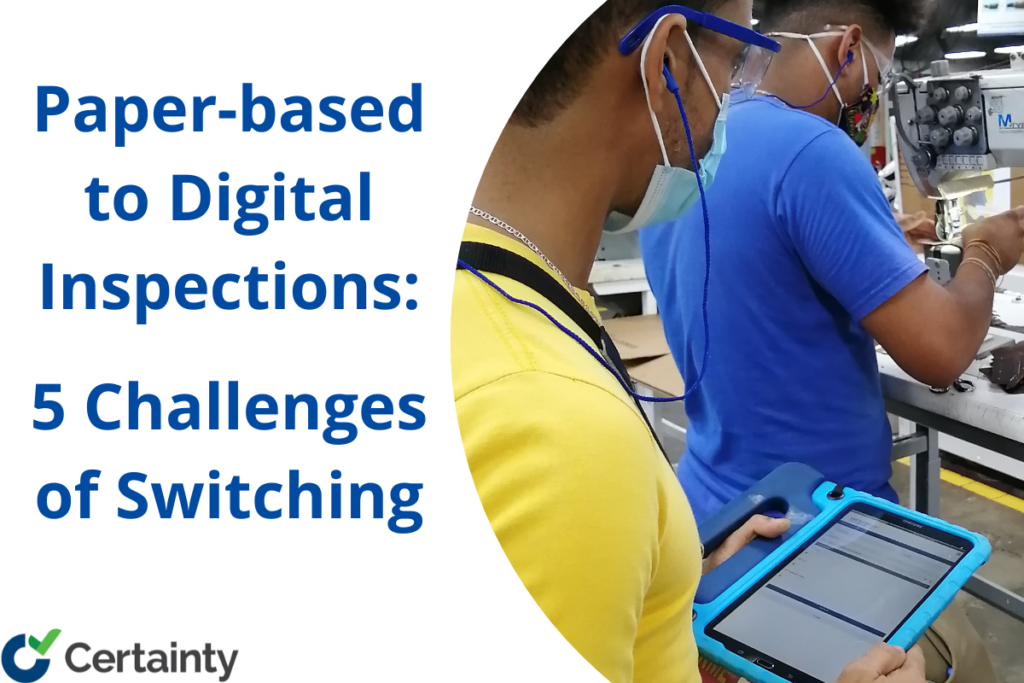
5 Challenges When Switching From Paper-based Inspections to Digital Inspections
Table of contents Summary: Digital inspections help teams replace paper forms with faster, more consistent, and easier-to-report inspection processes. While the transition can involve change management, training, device costs, and security concerns, those challenges can be managed with the right rollout plan. Digital inspections help organizations replace slow, error-prone paper processes with faster data capture […]
On-site vs Remote Audits: Their Advantages and Disadvantages
The Covid-19 pandemic quickly pushed businesses to remote work and to digitize previously manual processes. The same was said for the business’s external and internal auditing processes. As health and safety risks of the global pandemic increased, the traditional way of auditing primarily on-site needed adjusting towards remote auditing. This is only magnified for businesses involved in a globalized supply chain that regularly audits their suppliers. […]