
Summary: Overall Equipment Effectiveness (OEE) is a manufacturing metric that measures the percentage of planned production time that is truly productive, combining availability, performance, and quality into a single score. The average manufacturing plant operates at only 60% OEE, meaning 40% of capacity is lost to breakdowns, slowdowns, and defects. Improving OEE directly reduces the […]
Quality Management

Unlocking Efficiency: A Guide to Identifying and Eliminating Muda in Your Business Processes
Summary: Muda refers to any activity or process that consumes resources without adding value to the customer, and eliminating it is a core principle of Lean manufacturing and quality management. The seven types of Muda — overproduction, waiting, transport, overprocessing, inventory, motion, and defects — directly impact quality KPIs like first pass yield, cost of […]

Poka Yoke – The Ultimate Guide to Error Prevention
Summary: Poka Yoke (mistake-proofing) is a Lean manufacturing technique that designs processes and systems to prevent human errors before they occur, rather than relying on detection after the fact. Originally developed within the Toyota Production System, mistake-proofing devices and methods are now essential tools for reducing defect rates, improving first pass yield, and lowering the […]
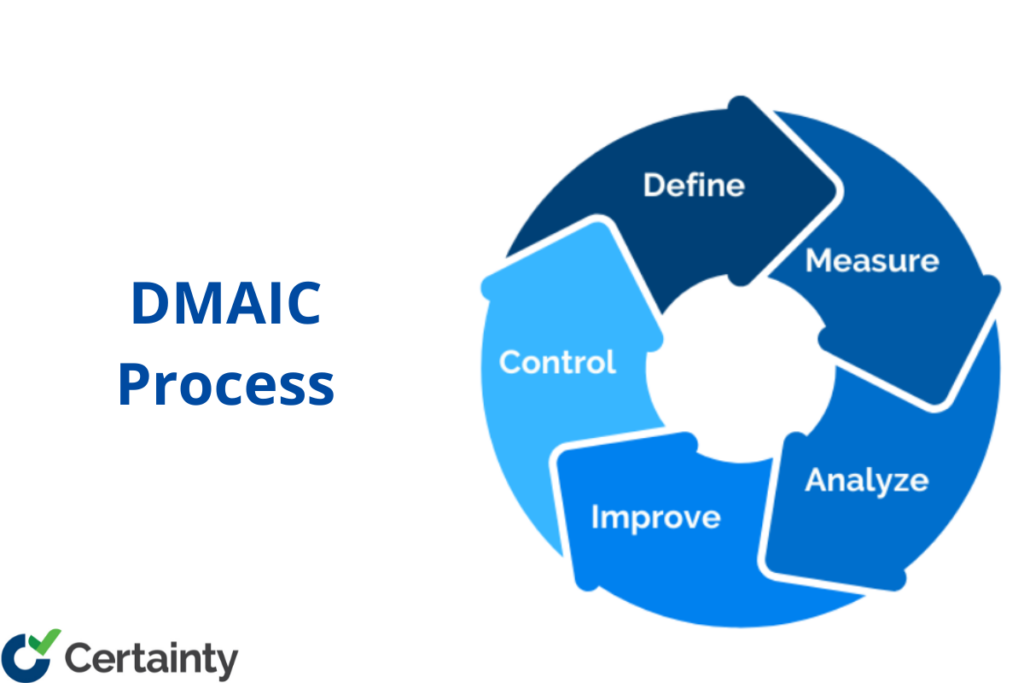
Implementing the DMAIC Process: A Comprehensive Guide
Summary: DMAIC (Define, Measure, Analyze, Improve, Control) is a data-driven process improvement methodology rooted in Six Sigma that helps organizations systematically reduce defects, variability, and waste. Each phase builds on the previous one, using statistical tools and quality metrics like first pass yield and cost of poor quality to guide decision-making. Implementing DMAIC within your […]
The Power of Integrated Risk Management: Enhancing Organizational Success
Do you want to learn how to manage risks effectively and efficiently in today’s complex and dynamic business environment? In this blog post, we will show you how integrated risk management (IRM) can help you achieve organizational success. We will also explain how Certainty Software can support your IRM initiatives. Read on to find out more. […]
8 Effective Risk Management Techniques for Today’s Challenges
From Bowtie Analysis, to training programs, discover 8 of the most effective risk management techniques and strategies your operations can implement quickly. Learn to how to better manage your risk mitigation efforts with this blog post. […]

Mastering 8D Problem Solving: A Comprehensive Guide for Businesses
Summary: The 8D (Eight Disciplines) problem-solving methodology is a structured, team-based approach used to identify root causes, implement corrective actions, and prevent recurrence of quality issues. Originally developed in the automotive industry, 8D is now widely adopted across manufacturing and regulated industries to meet the corrective action requirements of ISO 9001, IATF 16949, and FDA […]
How to Use Key Risk Indicators to Manage Risks and Improve Performance
Risk is inevitable in any business, but it can also be a source of opportunity and competitive advantage. You may have tried to use traditional risk management approaches, where each business unit leader is responsible for managing risks within their area of responsibility. Discover how to mitigate risk with Key Risk Indicators. […]
ISO 19011: A Comprehensive Guide to Quality Management Auditing
Summary: ISO 19011 provides comprehensive guidelines for planning, conducting, and improving management system audits across any standard, including ISO 9001, IATF 16949, and ISO 14001. It establishes the principles of effective auditing, defines auditor competence requirements, and offers a structured approach to managing audit programs that drive continuous improvement. Following ISO 19011 guidelines helps organizations […]
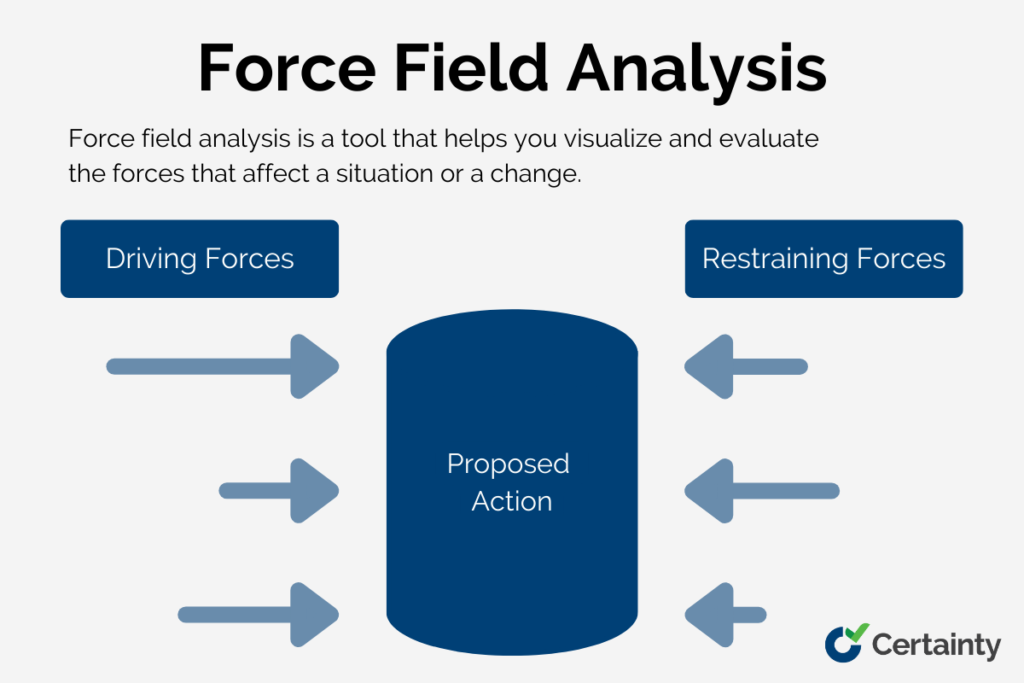
How to Use Force Field Analysis to Manage Change and Improve Performance
Summary: Force field analysis is a change management tool that identifies the driving forces supporting a desired change and the restraining forces working against it. By systematically mapping and scoring these opposing forces, quality teams can develop targeted strategies to strengthen drivers and weaken barriers, leading to more successful process improvements. This technique is particularly […]

Certainty and AI: Implementing AI in Certainty to Reduce Risk, Improve Performance, and Fuel Innovation and Growth
In this blog post, we will share the benefits of implementing AI in Certainty to enhance our product features and benefits for our customers. We will also explain some tips to best prepare your AI implementation. […]

10 Things to Consider When Selecting a Layered Process Audit Tool
Summary: Layered Process Audits (LPAs) are a proven quality management technique where audits are conducted at multiple management levels to verify that standardized processes are followed consistently. Selecting the right LPA tool is critical for reducing audit fatigue, ensuring cross-site comparability, and driving down non-conformance rates across manufacturing operations. The ideal tool should support mobile […]

Bridging the Gap: 10 Strategies for Closing Communication Gaps During Internal Audits and Inspections
Effective communication is crucial for the success of any business, and ensuring that all team members are on the same page and understand their roles and responsibilities is vital for achieving compliance and improving overall organizational performance. However, communication breakdowns can occur in any organization, and they can be particularly damaging when it comes to internal audits and inspections. […]
Internal Audits and Inspections System: A Guide to Change Management
This blog is intended to serve as a guide for those leading their organizations through the changeover process. From project planning to ongoing support, we will discuss the key steps necessary in change management. You’ll learn how to successfully implement your new system while minimizing your risk of negative consequences […]
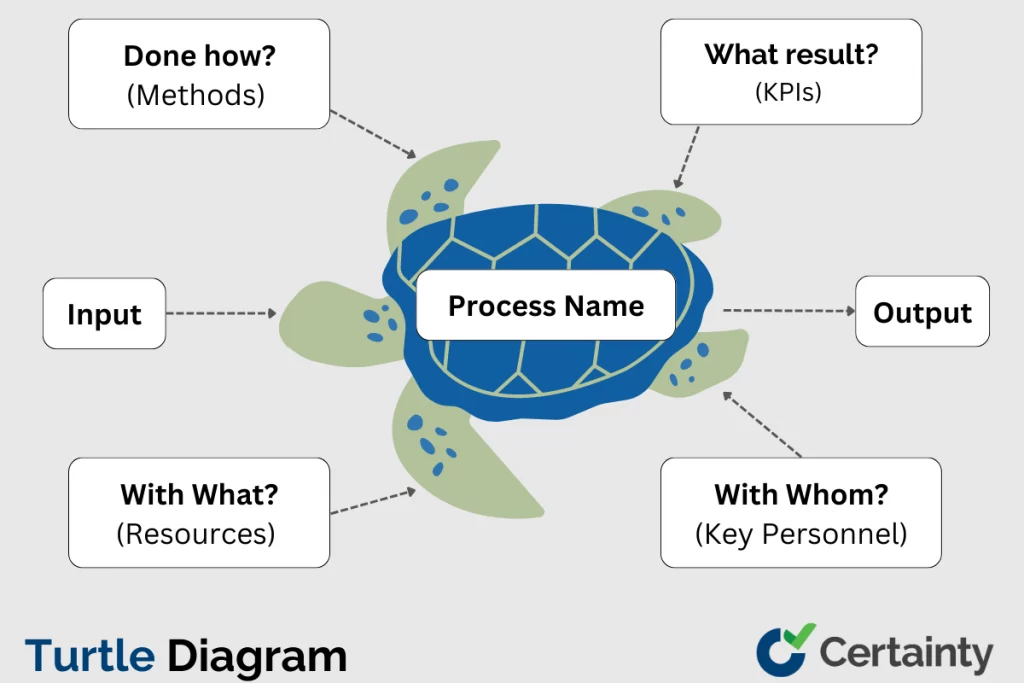
Turtle Diagram: Simplifying Your QMS Processes
Summary: A Turtle Diagram is a visual quality management tool that maps the inputs, outputs, resources, and controls of any process in a simple, intuitive format. It is widely used during ISO 9001, IATF 16949, and VDA 6.3 process audits to evaluate whether processes are adequately defined, resourced, and performing as intended. By breaking complex […]