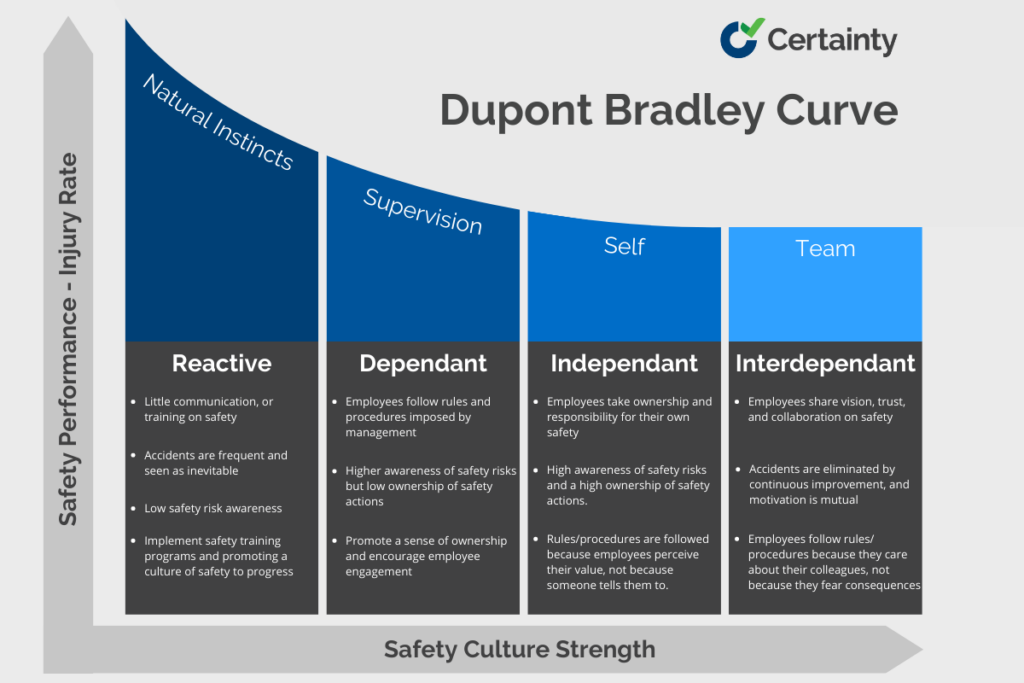
The Bradley Curve is a framework that illustrates the relationship between safety culture and operational performance. It shows how improving safety culture leads to better outcomes in other aspects of performance, such as quality, efficiency, and profitability. In this blog post, we will delve into the fundamentals of the Bradley Curve, exploring its significance, applications, and how it can help businesses streamline their operations. […]
Safety Management

Fire Extinguisher Inspection: The Ultimate Guide for the Workplace
Fire extinguisher inspections are crucial for maintaining workplace safety and compliance with fire codes and standards. They involve checking the condition and functionality of fire extinguishers on a regular basis using proper procedures and tools. In this ultimate guide, we will explain everything you need to know about fire extinguisher inspections and how to perform them with ease and confidence using Certainty Software. […]
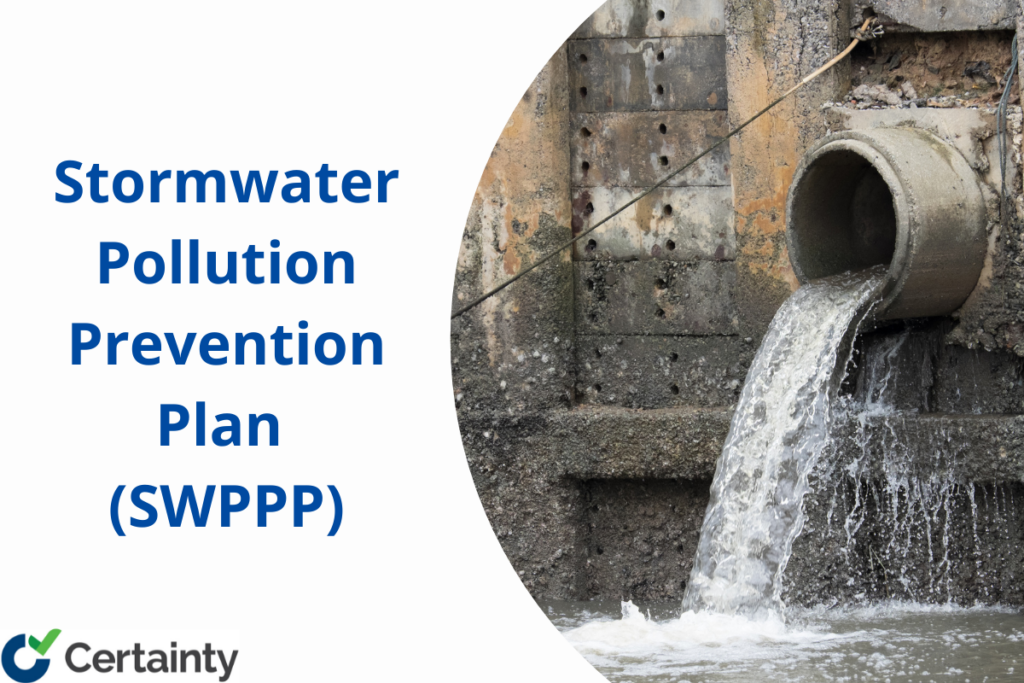
SWPPP: A Guide on What It Is, Why It Matters, and How to Build One
SWPPP is a document that describes how your business will prevent or reduce stormwater pollution from your activities. In this blog post, you will learn how to create, comply, monitor, and adapt SWPPP for different industries. […]

FSSC 22000: The Ultimate Guide to Certification and its Benefits
Table of contents Food safety is a crucial aspect of the food industry, as it affects the health and well-being of consumers, as well as the reputation and profitability of businesses. For QA Managers, Plant Managers, and Quality Engineers working in food manufacturing, ensuring food safety means complying with complex and dynamic regulations and standards […]
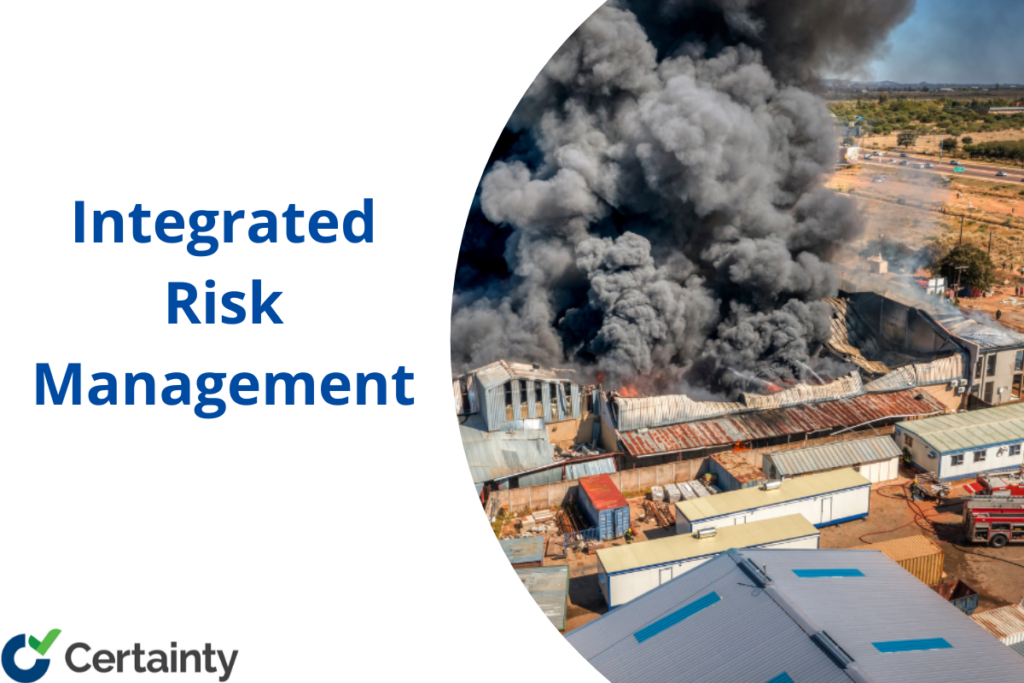
The Power of Integrated Risk Management: Enhancing Organizational Success
Do you want to learn how to manage risks effectively and efficiently in today’s complex and dynamic business environment? In this blog post, we will show you how integrated risk management (IRM) can help you achieve organizational success. We will also explain how Certainty Software can support your IRM initiatives. Read on to find out more. […]
8 Effective Risk Management Techniques for Today’s Challenges
From Bowtie Analysis, to training programs, discover 8 of the most effective risk management techniques and strategies your operations can implement quickly. Learn to how to better manage your risk mitigation efforts with this blog post. […]

What is TRIR and How It’s Calculated
TRIR is a key safety metric that measures the frequency of workplace incidents and injuries. Improving your TRIR score can help you reduce costs, enhance reputation, and promote a positive safety culture. Learn more about TRIR and how to calculate it in this blog post. […]
How to Use Key Risk Indicators to Manage Risks and Improve Performance
Risk is inevitable in any business, but it can also be a source of opportunity and competitive advantage. You may have tried to use traditional risk management approaches, where each business unit leader is responsible for managing risks within their area of responsibility. Discover how to mitigate risk with Key Risk Indicators. […]
ISO 19011: A Comprehensive Guide to Quality Management Auditing
Table of contents For QA Managers, Lead Auditors, and Quality Engineers, management system auditing is far more than a compliance checkbox. It is a strategic lever for reducing non-conformance rates, improving first pass yield (FPY), and driving down the cost of poor quality (COPQ). Yet conducting audits across multiple sites and management systems remains a […]

Understanding Workplace Near Miss Events: Types and Prevention Strategies
Near miss events are situations where an accident or injury was narrowly avoided, but could have happened under slightly different circumstances. They are also known as close calls, near hits, or near accidents. Near miss events are common in the work environment. These events can occur in any setting or industry, but they are often underreported or ignored. However, near miss events can provide valuable insights into potential hazards and risks that exist in the workplace, and how to prevent them. […]
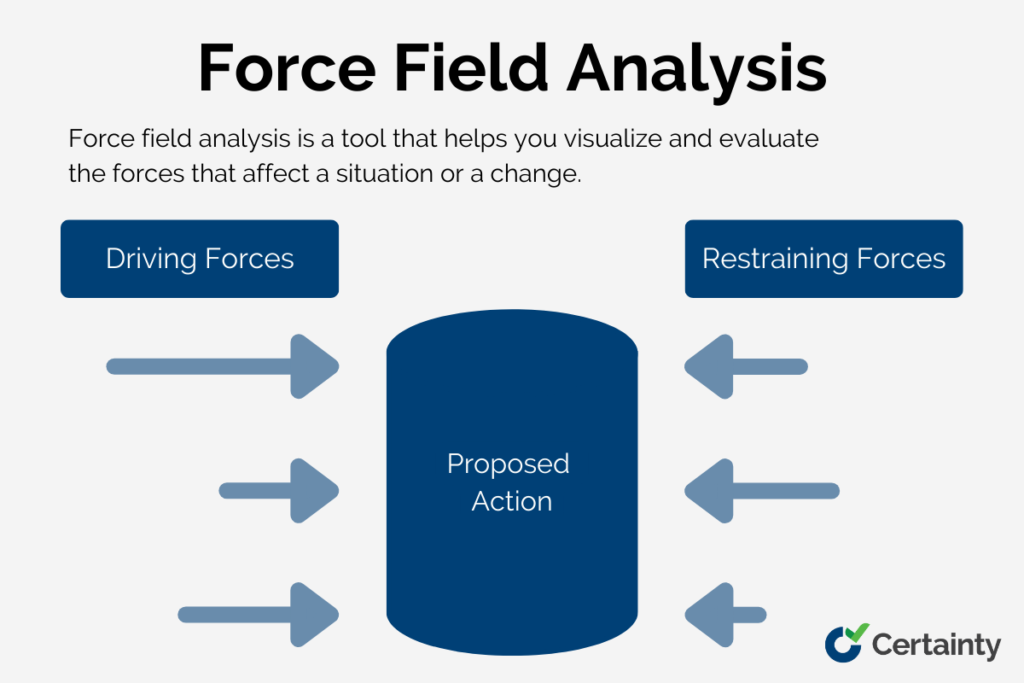
How to Use Force Field Analysis to Manage Change and Improve Performance
Table of contents What is Force Field Analysis? Force field analysis is based on the idea that any current situation or state is the result of a balance of power between driving forces and restraining forces. Driving forces are those that push for the desired change while restraining forces are those that resist or hinder […]

Certainty and AI: Implementing AI in Certainty to Reduce Risk, Improve Performance, and Fuel Innovation and Growth
In this blog post, we will share the benefits of implementing AI in Certainty to enhance our product features and benefits for our customers. We will also explain some tips to best prepare your AI implementation. […]
6 Steps of Lockout/Tagout Procedures
Lockout/tagout (LOTO) is a way to stop hazardous energy from hurting people when working on equipment. It uses locks and tags to turn off and mark the equipment. LOTO is a legal and important safety practice. […]

Bridging the Gap: 10 Strategies for Closing Communication Gaps During Internal Audits and Inspections
Effective communication is crucial for the success of any business, and ensuring that all team members are on the same page and understand their roles and responsibilities is vital for achieving compliance and improving overall organizational performance. However, communication breakdowns can occur in any organization, and they can be particularly damaging when it comes to internal audits and inspections. […]

Internal Audits and Inspections System: A Guide to Change Management
This blog is intended to serve as a guide for those leading their organizations through the changeover process. From project planning to ongoing support, we will discuss the key steps necessary in change management. You’ll learn how to successfully implement your new system while minimizing your risk of negative consequences […]