
A supply chain audit is a systematic and comprehensive evaluation of your supply chain processes, from procurement to delivery. The purpose of a supply chain audit is to identify and eliminate potential risks, ensure compliance with regulatory and customer requirements, and drive continuous improvement initiatives. In this ultimate guide, we will walk you through the key steps and best practices for conducting a successful supply chain audit. […]
8 Effective Risk Management Techniques for Today’s Challenges
From Bowtie Analysis, to training programs, discover 8 of the most effective risk management techniques and strategies your operations can implement quickly. Learn to how to better manage your risk mitigation efforts with this blog post. […]

Mastering 8D Problem Solving: A Comprehensive Guide for Businesses
Summary: The 8D (Eight Disciplines) problem-solving methodology is a structured, team-based approach used to identify root causes, implement corrective actions, and prevent recurrence of quality issues. Originally developed in the automotive industry, 8D is now widely adopted across manufacturing and regulated industries to meet the corrective action requirements of ISO 9001, IATF 16949, and FDA […]

What is TRIR and How It’s Calculated
TRIR is a key safety metric that measures the frequency of workplace incidents and injuries. Improving your TRIR score can help you reduce costs, enhance reputation, and promote a positive safety culture. Learn more about TRIR and how to calculate it in this blog post. […]
How to Use Key Risk Indicators to Manage Risks and Improve Performance
Risk is inevitable in any business, but it can also be a source of opportunity and competitive advantage. You may have tried to use traditional risk management approaches, where each business unit leader is responsible for managing risks within their area of responsibility. Discover how to mitigate risk with Key Risk Indicators. […]
ISO 19011: A Comprehensive Guide to Quality Management Auditing
Summary: ISO 19011 provides comprehensive guidelines for planning, conducting, and improving management system audits across any standard, including ISO 9001, IATF 16949, and ISO 14001. It establishes the principles of effective auditing, defines auditor competence requirements, and offers a structured approach to managing audit programs that drive continuous improvement. Following ISO 19011 guidelines helps organizations […]

Understanding Workplace Near Miss Events: Types and Prevention Strategies
Near miss events are situations where an accident or injury was narrowly avoided, but could have happened under slightly different circumstances. They are also known as close calls, near hits, or near accidents. Near miss events are common in the work environment. These events can occur in any setting or industry, but they are often underreported or ignored. However, near miss events can provide valuable insights into potential hazards and risks that exist in the workplace, and how to prevent them. […]
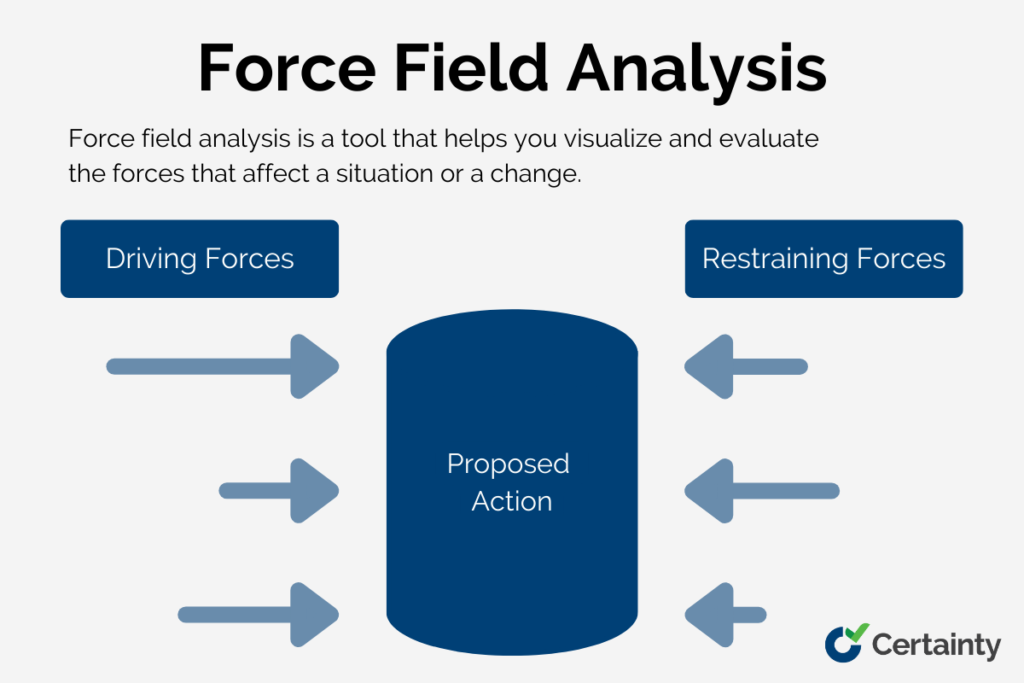
How to Use Force Field Analysis to Manage Change and Improve Performance
Summary: Force field analysis is a change management tool that identifies the driving forces supporting a desired change and the restraining forces working against it. By systematically mapping and scoring these opposing forces, quality teams can develop targeted strategies to strengthen drivers and weaken barriers, leading to more successful process improvements. This technique is particularly […]

Certainty and AI: Implementing AI in Certainty to Reduce Risk, Improve Performance, and Fuel Innovation and Growth
In this blog post, we will share the benefits of implementing AI in Certainty to enhance our product features and benefits for our customers. We will also explain some tips to best prepare your AI implementation. […]
How to Comply with FSVP: A Guide for Importers of Food
Summary: The Foreign Supplier Verification Program (FSVP) is a mandatory FDA requirement under FSMA for all U.S. food importers, requiring them to verify that imported food meets domestic safety standards. Compliance involves conducting hazard analyses, evaluating supplier performance, and maintaining detailed verification records that auditors can review. A structured, digital approach to FSVP management helps […]