Summary: A toolbox talk is a short pre-shift safety discussion that focuses workers on the hazards, controls, and safe behaviors tied to the day’s tasks. When done consistently, toolbox talks improve hazard awareness, encourage worker participation, and reinforce OSHA-aligned practices before work begins. For EHS and site leaders, this simple routine strengthens safety culture by turning communication into a daily prevention tool instead of an occasional training event.
What is a Toolbox Talk?
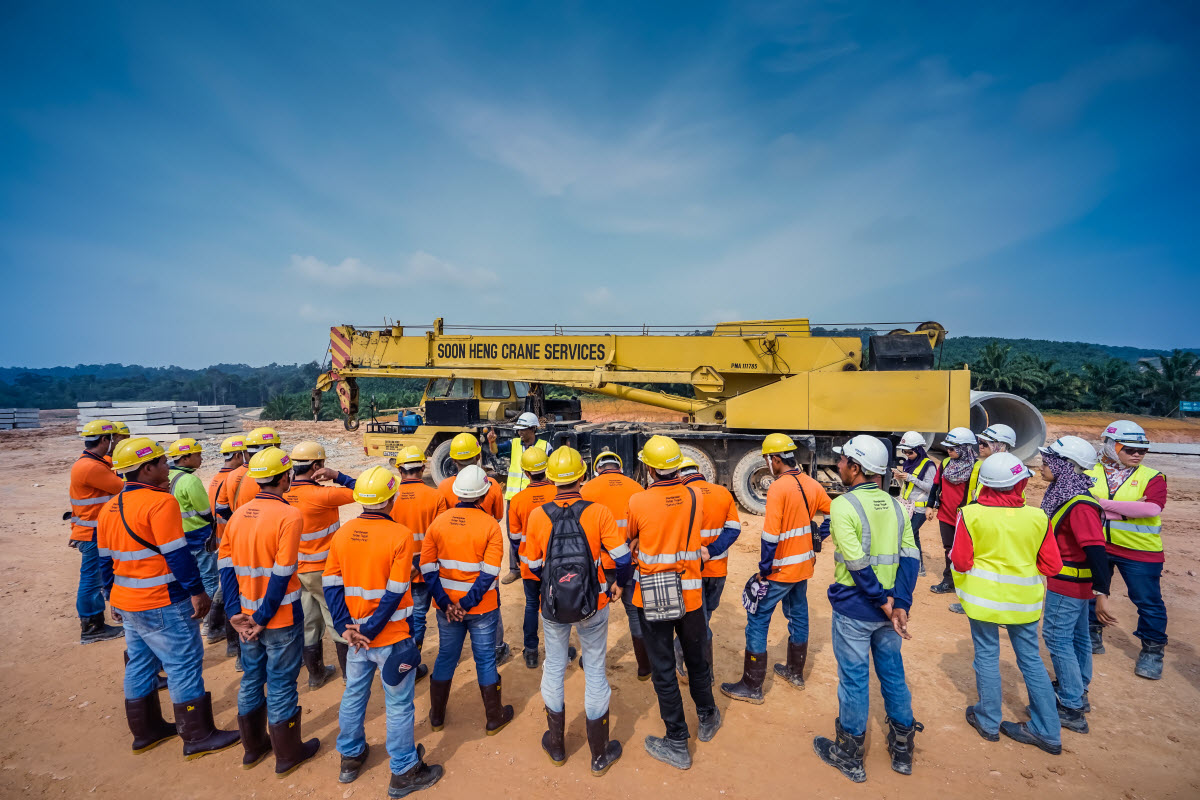
A toolbox talk is a short, informal safety meeting held on the job site before the start of a shift, bringing together all workers — from general employees to supervisors and management — to discuss specific hazards, reinforce safe work practices, and maintain a proactive safety culture. Typically lasting just 5 to 10 minutes, toolbox talks cover hazard identification, prevention strategies, and first aid responses relevant to the tasks being performed that day. Despite their brevity, research consistently shows that regular toolbox talks are among the most effective tools for reinforcing OSHA compliance, reducing near misses, and building a workforce that takes ownership of workplace safety.
Why Implement a Toolbox Talk?
Rather than relying solely on formally scheduled safety reviews or annual training sessions, a toolbox talk provides a concise, targeted refresher that keeps occupational safety standards top of mind every single shift. Also referred to as a tailgate talk, safety briefing, or safety huddle, the toolbox talk gives every team member an opportunity for open, direct communication — whether that means asking questions about a new procedure, raising a concern about a site condition, or contributing ideas for safety improvement. Holding regular toolbox talks strengthens safety culture and has been shown to improve construction safety outcomes by reinforcing hazard awareness before it is needed. Critically, toolbox talks are not a substitute for OSHA-mandated formal training programs — they are a powerful supplement that sustains safety awareness between formal training events, consistent with the worker participation requirements of ISO 45001:2018 clause 5.4.
General Discussion Topics
Toolbox talk topics should be predetermined by a foreman, supervisor, or safety manager and directly tied to the hazards associated with current and upcoming tasks on the job site. Generic safety reminders have limited impact — the highest-value discussions are those grounded in the specific risks workers will face that day. Rather than relying on generalized construction safety awareness, tailor each talk to your site’s real and present hazards.
Toolbox talk topics include, but are not limited to:
- Personal protective equipment (PPE) — selection, inspection, and correct use per OSHA 29 CFR 1910 Subpart I
- Confined spaces — permit-required entry procedures under OSHA 29 CFR 1910.146
- Electrical safety — arc flash hazards, lockout/tagout procedures, and safe work distances
- Fall protection — harness inspection, anchor point selection, and guardrail requirements per OSHA 29 CFR 1926.502
- Near misses — how to report them, why they matter, and what they reveal about systemic risk
- Asbestos — recognition, disturbance risks, and regulatory requirements under OSHA 29 CFR 1926.1101
- Power lines — minimum safe approach distances and overhead hazard awareness
- Ladder safety — inspection criteria, setup angles, and load ratings per OSHA 29 CFR 1926.1053
- Power tools — guarding, grounding, and safe operating procedures
- Forklift — pre-use inspection, load capacity limits, and pedestrian safety zones
- Fire extinguishers — PASS technique, classification, and monthly inspection requirements per NFPA 10
- Lockout/Tagout — energy isolation procedures and authorized vs. affected employee responsibilities under OSHA 29 CFR 1910.147
- Gas cylinders — safe storage, transport, and connection procedures
- Respirators — fit testing requirements, filter selection, and maintenance under OSHA 29 CFR 1910.134
- Scaffold safety — erection, inspection, and load limits per OSHA 29 CFR 1926.451
Tips on Creating a Toolbox Talk
An effective toolbox talk is brief but high-value — a focused, informal discussion that reinforces general workplace safety and sustains a proactive safety culture. The format should feel accessible, not bureaucratic, while still ensuring every critical point is covered and that worker participation is genuine.
Here are practical tips to ensure your next toolbox talk is effective:
- Pre-plan meetings at consistent intervals — whether daily, weekly, or before each new task phase. A predictable cadence reinforces the message that safety is a standing priority, not a reactive response to incidents.
- Select topics that are directly relevant to the tasks at hand — both current activities and those planned for the near future. Relevance drives engagement and ensures workers leave with actionable knowledge.
- Open each meeting by communicating why the talk matters — connect the topic to a recent near miss, a regulatory change, or a real-world incident in your industry to make the hazard tangible.
- Keep the conversation informal and two-way, but use a structured guide — such as a toolbox talk checklist — to ensure all key talking points are covered consistently across different facilitators and sites.
- Reference actual equipment, materials, and site conditions present on the worksite. Physical demonstrations and real examples are far more memorable than abstract descriptions.
- Close with a concise summary of the key points and any specific actions workers should take — reinforcing retention and making expectations clear before work begins.
- Drive active engagement by asking workers to identify hazards they have observed, share concerns, or suggest improvements. Employee-generated safety intelligence is one of the most valuable — and underutilized — inputs in any EHS program.
- Collect a documented sign-off from all participants for attendance records. These records support regulatory compliance, demonstrate due diligence during OSHA inspections, and contribute to your inspection completion rate KPI.
30+ Audit and inspection checklists free for download.
General Toolbox Talk Template
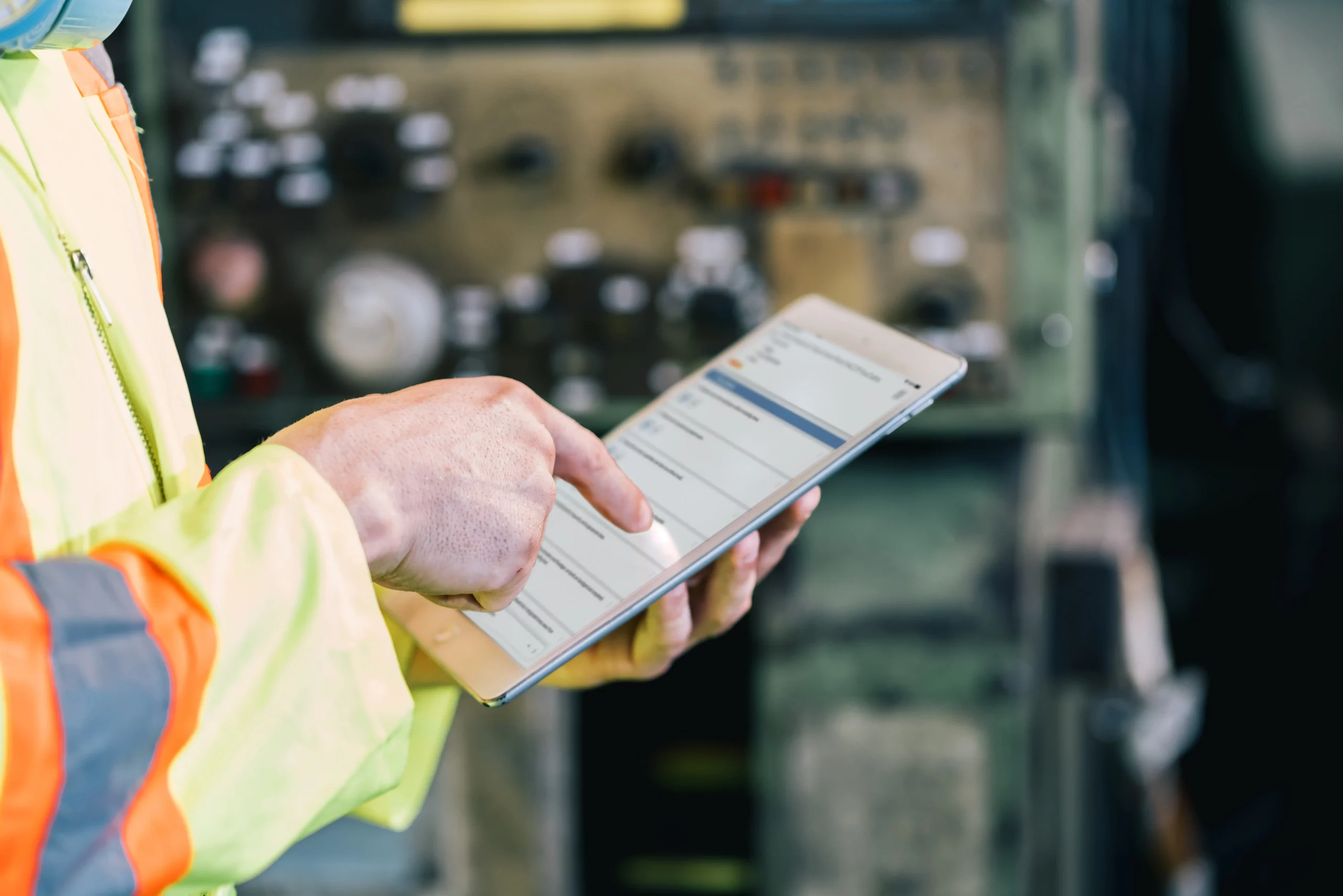
Certainty Software is a powerful, enterprise-grade audit and inspection management platform trusted by safety teams across industries — including construction, manufacturing, oil and gas, and utilities. Certainty provides a ready-to-use general safety Toolbox Talk checklist that standardizes your pre-shift safety briefings, ensures consistent documentation, and feeds attendance and topic data directly into your compliance reporting — so your team can run better meetings in less time while building a defensible record of safety engagement.
You may also be interested in:
4 Considerations when Improving Safety in the Construction Industry
Solutions for Construction & Workplace Safety Inspections
Frequently Asked Questions (FAQs)
What is the difference between a toolbox talk and a formal safety training?
A toolbox talk is a brief, informal, job-site discussion — typically 5 to 10 minutes — focused on immediate hazards and daily task safety. Formal safety training is a structured, documented program that meets specific OSHA requirements (such as confined space entry or hazard communication training). Toolbox talks supplement but do not replace mandatory formal training.
How often should toolbox talks be held?
Frequency depends on the risk level of the work environment. High-hazard sites such as construction, oil and gas, and heavy manufacturing benefit from daily pre-shift toolbox talks. Lower-risk environments may conduct them weekly or before each new work phase. Consistency is more important than frequency — a predictable schedule embeds safety as a cultural norm.
Who should lead a toolbox talk?
Toolbox talks are typically led by a foreman, site supervisor, or safety manager. Rotating facilitation to experienced front-line workers can increase engagement and reinforce peer-to-peer safety accountability — a key principle of behavior-based safety (BBS) programs.
How do you document a toolbox talk for compliance purposes?
Documentation should include the date, location, topic covered, facilitator name, and a signed attendance sheet from all participants. Using a digital toolbox talk checklist — such as those available through Certainty Software — automates this record-keeping, ensures consistency across sites, and makes records instantly retrievable during OSHA inspections or internal audits.