Summary: There is no safety without 'leadership' because policies only work when leaders reinforce expectations, remove barriers, and model safe behavior daily. Safety leadership is the foundation of every effective workplace health and safety program. Without active, visible commitment from management, safety directors, and frontline leaders, even the best-designed safety systems remain aspirational. In fact, […]
Setting Realistic Safety Goals
Summary: Clear safety goals help organizations focus resources, measure progress, and improve accountability. This post compares vague and well-structured goals so teams can set targets that actually drive results. Safety goals should be specific, measurable, and tied to real business outcomes. This article shows how to write clearer goals, avoid vague targets, and track progress […]
How to Start a Simple Behavioral Based Safety System
A behavior based safety system does not need to be complicated to be effective. This guide outlines simple steps to set goals, run a pilot, involve employees, and build a practical program that can grow over time. Summary: This post explains how to start a behavior based safety system with simple, practical actions. It covers […]
420,000 needless food-related deaths a year… What do we do?
Summary: Foodborne diseases kill an estimated 420,000 people globally each year, with 48 million cases annually in the United States alone. For QA Managers and food safety professionals, these preventable deaths highlight the critical need for rigorous HACCP compliance, structured audit programs, and digital inspection systems that close gaps in quality management and ensure corrective […]
The Checklist Manifesto – by Atul Gawande
If you’ve read ‘The Checklist Manifesto’ by Atul Gawande you’ll know the amazing effect that the World Health Organisation had by introducing a simple checklist into hospital surgery routines. The surgery infection rates and mortality dropped hugely in those hospitals that were selected for a pilot program…and now that simple list has been adopted worldwide. […]
Outlining the Basic Goals for Safety and Health Programs
Safety and health programs are built to prevent workplace injuries, illness, and avoidable loss. This post outlines the core goals of a proactive program and explains why preventing hazards early delivers better results. Summary: Safety and health programs should do more than react to incidents after they happen. This post explains the basic goals of […]

Designing a BBS Program for Improved Safety Performance and ROI
Summary: Designing a BBS Program for Improved Safety requires more than launching observations; it takes clear goals, workforce trust, and measurable follow-through. Organizations see better results when behavior-based safety is built as a long-term improvement system that addresses both unsafe acts and the conditions behind them. Behavioral Based Safety (BBS) is a structured approach to […]
Collecting, Comparing, and Managing Safety Data – The Power Behind Continuous Improvement
Summary: Systematic collection, comparison, and management of safety and quality data is the foundation of continuous improvement under ISO 9001 and ISO 45001. Organizations that move from paper-based tracking to purpose-built quality management software gain real-time visibility into leading and lagging performance indicators, enabling QA Managers to benchmark across sites, reduce non-conformance rates, and drive […]
How much energy does it take to improve safety performance?
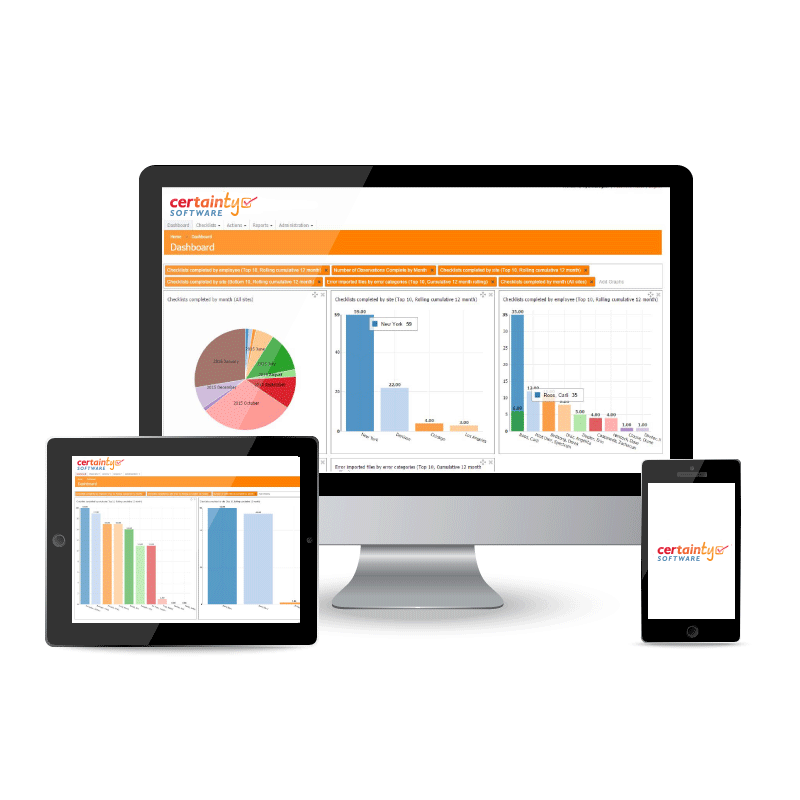
Summary: Safety performance improves only when safety data is consistent, comparable, and meaningful across every site, department, and shift. For EHS managers, poor data quality weakens OSHA compliance, distorts leading and lagging indicators, and wastes corrective action effort. A strong safety management system depends on structured safety data that supports faster decisions, better trend analysis, […]