Summary: Quality control inspections — including pre-production, in-line, final, and incoming inspections — verify that products meet established standards at every stage of the manufacturing process. For QA Managers and Quality Engineers tracking first pass yield (FPY), cost of poor quality (COPQ), and non-conformance rates under ISO 9001, IATF 16949, or FDA cGMP, implementing the right mix of inspection types provides the data needed to catch defects early, reduce waste, and maintain continuous improvement across production facilities.
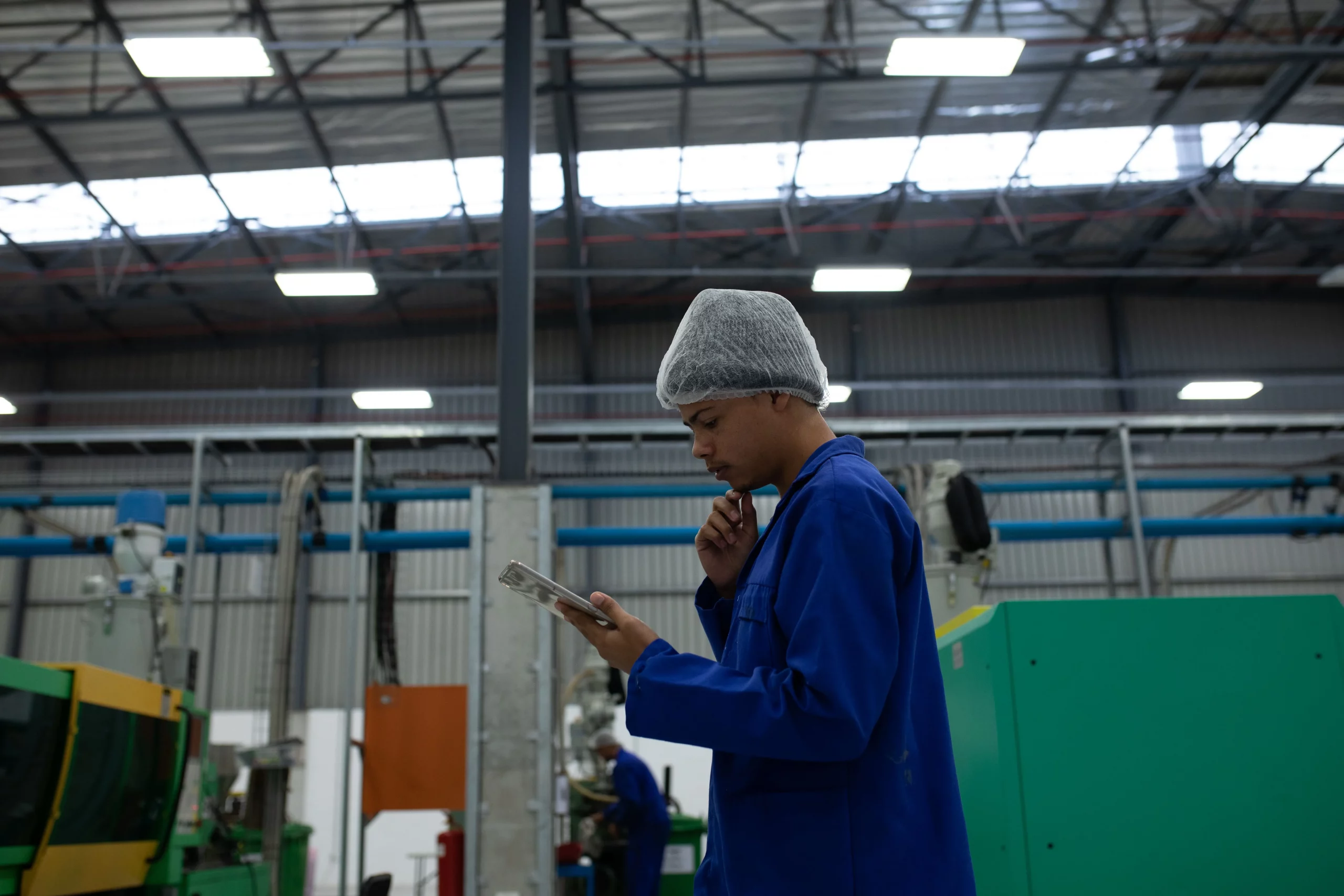
For QA Managers, Quality Engineers, and Plant Managers, one question drives daily operations: How do you know if your products are good enough? As a manufacturer, you likely follow quality standards and specifications. These standards come from frameworks such as ISO 9001, IATF 16949, or FDA cGMP. They help ensure your products meet customer expectations and market requirements. However, how do you verify that your products actually meet those standards? That is where quality control inspection comes in.
Quality control plays a vital role in manufacturing. Specifically, it ensures that products align with specifications and meet basic standards of reliability and safety. For quality teams tracking KPIs like First Pass Yield (FPY) and Cost of Poor Quality (COPQ), regular quality control inspections provide essential data. Moreover, these inspections help teams assess current quality levels across the production process. As a result, they can address potential issues before those issues escalate into costly problems.
What is a Quality Control Inspection and Why is it Important?
A quality control inspection checks whether a product meets your standards and expectations. In other words, it evaluates products against established manufacturing process standards and product specifications. These standards may come from international sources such as the ISO. Additionally, they may reflect requirements from specific countries, states, or municipalities.
Quality control inspection teams evaluate both incoming and outgoing products. They identify defects and report their findings to management and C-suite executives. If defects are significant enough, companies may need to pause production temporarily. During this time, teams adjust processes and conduct tests. However, while this causes a loss of productivity, it prevents a far worse outcome. Specifically, product failures can lead to injury or death that demand immediate action.
Furthermore, by regularly assessing quality at multiple points along the production chain, companies can identify pain points that contribute to product issues. Consequently, they can take corrective actions before those issues result in costly product recalls.
Five Common Types of Quality Control Inspections
When it comes to quality control inspections, you have a choice. Your teams can assess products at any point in their lifecycle. For example, if you have purchased a new production line device, you might assign a quality inspection team to evaluate it. This ensures the device works as intended. Similarly, if you have switched suppliers, you may want to inspect their first few shipments. Doing so confirms that quality meets expectations and stays consistent across batches.
Although every company is different, five common types of quality control inspections stand out. Most importantly, these inspections help evaluate operations at critical stages.
- Supplier inspections: Evaluate the raw materials or products sent along your supply chain.
- First article inspections: Assess the first mass production run of manufactured products.
- Inter-production inspections: Collect real-time data and ensure quality consistency during the production run.
- Pre-shipment inspections: Use a random sample method to check product quality before shipping.
- Container loading inspections: Ensure proper packing and loading of finished products.
Now, let’s take a closer look at each type. In particular, we will explore how each one can improve your product quality and customer satisfaction.
Supplier Inspections
Supplier inspections are also called pre-production inspections. In this stage, teams evaluate the raw materials or products sent along your supply chain. They check whether materials match provided specifications. Additionally, they assess whether materials are as durable, flexible, and functional as claimed. Consistency across batches also matters greatly. As a result, supplier inspections help ensure that low-quality materials do not hamper your production processes. They also provide an inspection report you can take to suppliers for corrective action.
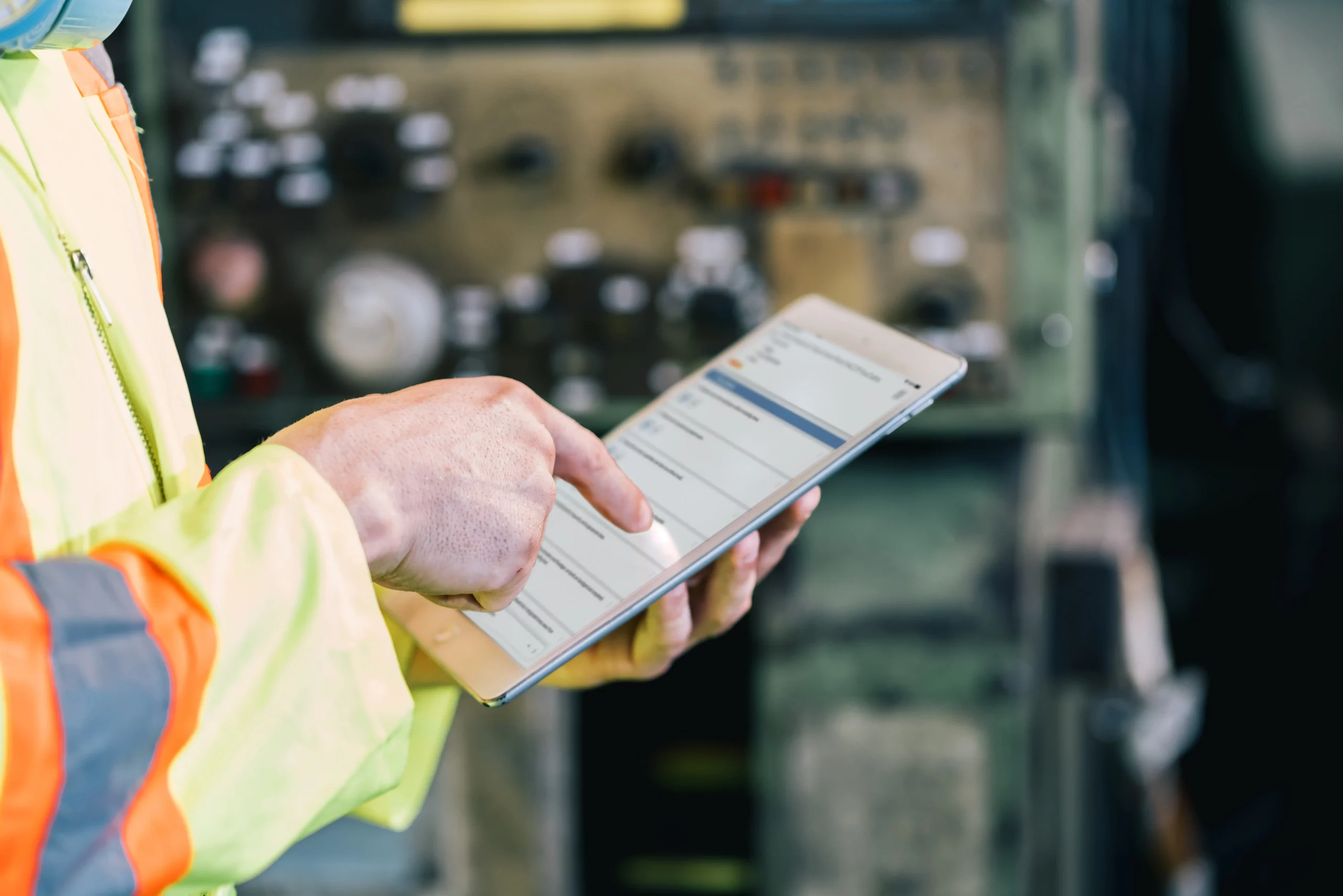
30+ Audit and inspection checklists free for download.
First Article Inspections
First article inspections happen after the first products come off your production line. Teams assess the initial mass production run of manufactured products. They then compare output to stated product quality specifications. Consequently, they can make recommendations for any necessary corrective action.
Inter-production Inspections
Inter-production inspections typically happen when between 30% and 50% of a mass production run is complete. This timing allows teams to collect real-time data. Furthermore, it ensures that quality has not decreased throughout the production run.
Pre-shipment Inspections
The pre-shipment inspection often occurs when at least 80% of the run is finished. At this point, goods are ready for packing and shipment. Inspectors use a random sample method to gauge product consistency. In addition, they remove any faulty products from the batch.
Container Loading Inspections
Finally, container loading inspections happen after all other quality control inspections are complete. They focus on ensuring that finished products are packed correctly. Moreover, this stage offers one last chance before shipping to discover any damages or defects in the final products.
The Importance of Quality Assurance and Software Solutions for Product Quality
Quality control inspections do not guarantee flawless products. Even the most rigorous inspections can miss some defects or errors. For this reason, quality control inspections should work alongside quality assurance processes. These processes monitor and improve the overall production system.
A lack of quality assurance can lead to serious consequences for manufacturers. These include product recalls, customer complaints, legal actions, and reputational damage. For example, Tesla faced quality issues and recalls during its production ramp-up. According to Reuters, in 2021 Tesla recalled “more than 475,000 of its Model 3 and Model S electric cars to address rearview camera and trunk issues that increase the risk of crashing”.
To avoid such problems, manufacturers need quality control inspection software and quality management software. These tools help them track, measure, and improve their production processes. Specifically, quality control inspection software automates inspection workflows and streamlines data collection. It also generates reports and identifies areas for improvement.
Meanwhile, quality management software helps manufacturers manage standards, policies, procedures, and audits. It also supports corrective actions and continuous improvement initiatives. Together, these software solutions help manufacturers achieve higher levels of quality performance and customer satisfaction.
How to Use Quality Control Inspection Checklists to Improve Your Product Quality
An effective quality control inspection offers greater confidence that products meet all applicable quality standards. In addition, it provides the ability to document findings for reporting and auditing. As such, it keeps your quality management system up to date.
How do you leverage these benefits in practice? It starts by identifying areas of potential concern using inspection checklists. For example, a Gemba Walk Checklist can help pinpoint processes worth a closer look. Next, determine where in the product lifecycle these concerns fall. Are they supplier issues? Inter-production problems? Pre-shipment concerns? Once you know what to look for and where it happens, you can assign a quality control inspection team to carry out the applicable inspection type and report the results.
In this blog post, we learned that:
- Quality control inspection is a process of checking that a product meets the quality standards and customer expectations.
- There are five common types of quality control inspections: supplier, first article, inter-production, pre-shipment, and container loading.
- Quality assurance and software solutions are essential for improving product quality and avoiding problems such as recalls, complaints, or lawsuits.
You may also be interested in:
What are first, second, and third-party audits?
The Four Phases of Continuous Improvement Assessment — and What They Mean for Your Business
Frequently Asked Questions (FAQs)
What is the difference between quality control and quality assurance?
Quality control (QC) focuses on identifying defects in finished or in-process products through inspections and testing, while quality assurance (QA) is a broader, process-oriented approach that aims to prevent defects by improving the production system itself. QC is reactive and product-focused; QA is proactive and process-focused. Together, they form the foundation of an effective quality management system aligned with standards like ISO 9001.
How often should quality control inspections be performed?
Inspection frequency depends on factors such as production volume, product complexity, regulatory requirements, and historical defect rates. Many Quality Managers establish a risk-based inspection schedule that increases frequency for high-risk products or new production lines and reduces it for stable, proven processes. The key is to align your inspection cadence with your quality KPIs, such as audit completion rates and non-conformance rates, to ensure consistent coverage without contributing to audit fatigue.
What standards govern quality control inspections in manufacturing?
Several international standards provide frameworks for quality control inspections, including ISO 9001 for general quality management, IATF 16949 for automotive manufacturing, FDA cGMP for pharmaceutical and medical device production, and HACCP for food safety. The applicable standard depends on your industry, but all emphasize systematic inspection processes, documentation, and corrective action as core elements of a compliant quality management system.
How can digital tools reduce audit fatigue during quality control inspections?
Digital inspection platforms replace paper-based checklists with mobile-friendly forms, automated workflows, and real-time dashboards. This reduces the manual burden on Quality Engineers and inspectors, minimizes data entry errors, and accelerates reporting. By automating routine tasks such as scheduling, notification, and corrective action assignment, digital tools help quality teams focus their effort on analysis and continuous improvement rather than administrative overhead.
What KPIs should Quality Managers track to measure inspection effectiveness?
Key performance indicators for quality control inspections include First Pass Yield (FPY), which measures the percentage of products that pass inspection without rework; Cost of Poor Quality (COPQ), which quantifies the financial impact of defects; non-conformance rates, which track how often products fail to meet specifications; audit completion rates, which ensure inspections are being carried out on schedule; and time to resolution, which measures how quickly identified issues are corrected through the corrective action process.

Spend Time On Prevention
Not Paperwork
Watch our overview video to see how your organization can benefit from Certainty.
Watch Video