A supply chain disruption is any event that interrupts the normal flow of goods, materials, or services between suppliers, manufacturers, and end customers. From geopolitical conflicts and regulatory shifts to natural disasters and cyberattacks, disruptions can range from minor delays to complete supply chain breakdowns. According to the World Bank, global supply chain pressures remain elevated heading into 2026, with organizations facing increasing complexity from new compliance requirements under the EU Corporate Sustainability Due Diligence Directive (CSDDD) and the German Supply Chain Due Diligence Act (LkSG).
But what exactly are supply chain disruptions? What impacts do they have on businesses, and what can companies do to avoid supply chain challenges in an increasingly regulated and interconnected world?
What are Supply Chain Disruptions?
Supply chain disruptions happen when “links” in the supply chain are strained or broken. These links include everything from manufacturers and distributors to logistics and freight-forwarding companies — in short, any business that handles or interacts with products on their journey from creation to customer.
Strained links are most common in supply networks, and often happen when a particular supplier runs into material challenges or logistics providers face delays in moving goods from point A to point B. In this case, disruptions are frustrating but not fundamental. Goods will still get where they’re going but will take longer than expected.
Broken links, meanwhile, have become increasingly common in recent years. The COVID-19 pandemic, the Russia-Ukraine conflict, Red Sea shipping disruptions, and ongoing semiconductor shortages have all demonstrated how quickly stable supply chains can fracture. For companies able to navigate these challenges, the message is clear: multi-faceted, resilient supply chains are now critical for sustained success.
The Effects of Supply Chain Disruptions
When supply chain disruptions occur, what’s the result? The answer depends on the severity of the disruption. Three broad categories help frame this disruption discussion:
- Mild
Mild disruptions are characterized by short-term issues that have an identifiable resolution and cause minor delays. They might include logistics issues tied to fleet maintenance, production problems due to process or software updates, or challenges with sourcing raw materials.
- Moderate
Moderate disruptions can lead to weeks or months’ worth of delays. They may be caused by problems at the manufacturing source — such as specialized machinery failures that require hard-to-find parts or serious injuries that demand long-term shutdowns and reports — or may stem from component concerns around sourcing and transporting goods to manufacturing facilities for production.
- Massive
Massive disruptions have long-term impacts on the ability of organizations to meet supply obligations and ensure consistent operations. Recent examples include the global semiconductor shortage, ongoing geopolitical tensions affecting shipping routes, and the cascading effects of the CSDDD requiring companies to restructure their entire due diligence processes. These disruptions often require companies to find new supplier sources or create entirely new supply chain frameworks from the ground up.
Regulatory Compliance as a Source of Disruption
In 2026, one of the most significant — and often overlooked — sources of supply chain disruption is regulatory non-compliance. New and evolving legislation is reshaping how companies manage their supply chains:
| Regulation | Scope | Impact on Supply Chains |
|---|---|---|
| EU CSDDD | Large EU & non-EU companies | Mandatory human rights & environmental due diligence; penalties for non-compliance |
| German LkSG | Companies with 1,000+ employees in Germany | Supply chain risk analysis, preventive & remedial measures required |
| UFLPA | All US importers | Goods from Xinjiang presumed made with forced labor; import seizures |
| CSRD | ~50,000 EU companies | Detailed sustainability reporting including supply chain Scope 3 emissions |
| Canada Bill S-211 | Canadian entities with $20M+ revenue | Annual reporting on forced labor and child labor in supply chains |
Companies that fail to prepare for these regulations risk not only fines and penalties but also shipment seizures, lost contracts, and reputational damage — all of which constitute significant supply chain disruptions. According to McKinsey, companies that proactively invest in supply chain resilience and compliance outperform their peers during disruption events.
Examples of Supply Chain Disruptions
Supply chain disruptions can take many forms. The common thread? These bottlenecks make it difficult (or impossible) for businesses to ensure products reach their intended destination on time.
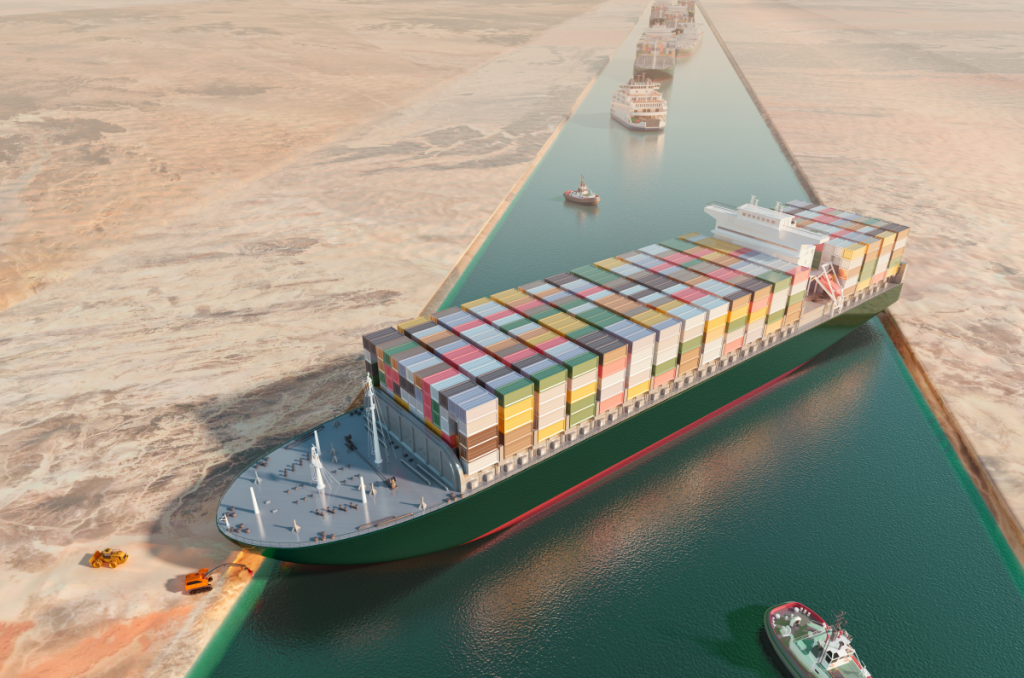
One of the most dramatic examples was the Ever Given incident in March 2021, when the massive container ship carrying $1 billion worth of cargo became wedged in the Suez Canal for six days, causing massive disruptions and billions in cargo lost or delayed.
More recently, Houthi attacks on Red Sea shipping routes in 2024-2025 forced major carriers to reroute around the Cape of Good Hope, adding weeks to delivery times and significantly increasing freight costs. Meanwhile, ongoing port congestion — which saw 11.5 percent of global operational capacity unavailable at its peak compared to the pre-pandemic norm of just 2 percent — continues to affect supply chain reliability worldwide.
30+ Audit and inspection checklists free for download.
How to Prevent and Manage Supply Chain Disruptions
So how do companies effectively manage supply chain issues? Here are four proven strategies:
1. Conduct Regular Supply Chain Audits
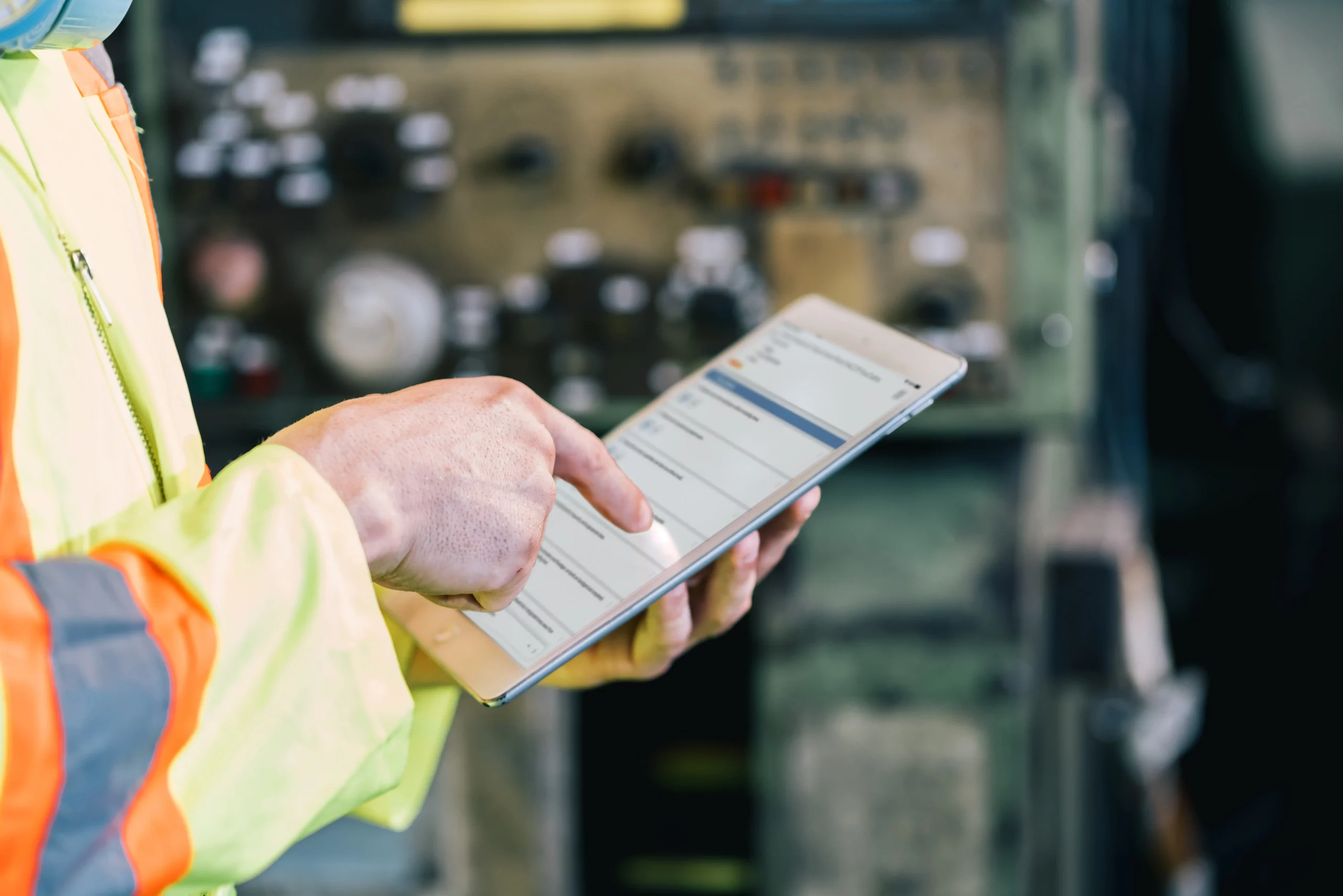
It starts with a supply chain audit — a detailed examination of your supply chain operations to identify current challenges and eliminate potential vulnerabilities. Regular audits help companies see the big picture across their supply chain to help drive increased visibility, resilience, and sustainability from end to end.
2. Implement Continuous Supply Chain Assessments
A supply chain assessment leverages purpose-built solutions to evaluate the current health of your supply chain in real time and identify areas for improvement. From in-depth protocol checklists to supplier self-assessments and technical reviews, the right supply chain software can help pinpoint potential problems before they become big issues.
3. Build Regulatory Compliance into Your Supply Chain Framework
With CSDDD, LkSG, and other regulations now requiring documented supply chain due diligence, compliance should be embedded into your supply chain management processes — not treated as a separate workstream. This means integrating regulatory requirements directly into supplier questionnaires, risk assessments, and corrective action workflows.
4. Invest in Supply Chain Risk Management Technology
The result of these combined efforts is improved supply chain risk management that helps businesses better understand where supply chains are solid, where they’re struggling, and where they need a new approach.
Bottom line? Supply chain disruptions aren’t going anywhere. To navigate the reality of rapidly-changing regulations and risks, companies need robust supply chain management frameworks to both identify current issues and remove potential roadblocks.
Frequently Asked Questions (FAQs)
What is a supply chain disruption?
A supply chain disruption is any event that interrupts the normal flow of goods, materials, or services between suppliers, manufacturers, and customers. Disruptions can range from minor delays caused by logistics issues to major breakdowns triggered by natural disasters, geopolitical events, or regulatory non-compliance.
What are the main causes of supply chain disruptions?
Common causes include natural disasters, pandemics, geopolitical conflicts, cyberattacks, supplier insolvency, port congestion, and — increasingly — regulatory non-compliance with laws like the EU CSDDD, German LkSG, and the US Uyghur Forced Labor Prevention Act (UFLPA).
How can companies prevent supply chain disruptions?
Prevention strategies include diversifying your supplier base, conducting regular supply chain audits and assessments, implementing real-time monitoring technology, building regulatory compliance into supply chain processes, and establishing contingency plans for critical supply routes.
How do regulations like CSDDD and LkSG affect supply chains?
These regulations require companies to conduct formal due diligence across their supply chains, including risk analysis, preventive measures, and remediation processes. Non-compliance can result in fines, import restrictions, and reputational damage — making regulatory preparedness essential for supply chain resilience.
What role does technology play in managing supply chain disruptions?
Purpose-built supply chain management software like Certainty Software helps organizations digitize supplier assessments, automate corrective actions, track compliance in real time, and generate audit-ready reports — reducing manual effort and improving response times when disruptions occur.
Keep your supply chain on track with Certainty Software. Let’s talk.
You may also be interested in:
Reduced Risk, Increased Resiliency: The Advantage of Supply Chain Management Tools
DNV Selects Certainty as Their Global Supply Chain Management (SCM) Software Solution