Summary: FSMA 204 is an FDA regulation that establishes enhanced traceability recordkeeping requirements for companies involved in manufacturing, processing, packing, or holding foods on the Food Traceability List. Compliance requires maintaining Key Data Elements and Critical Tracking Events throughout the supply chain, enabling rapid identification and removal of contaminated products during recalls. Quality teams that implement digital traceability systems can meet FSMA 204 requirements more efficiently while strengthening their overall food safety management system.
Table of contents
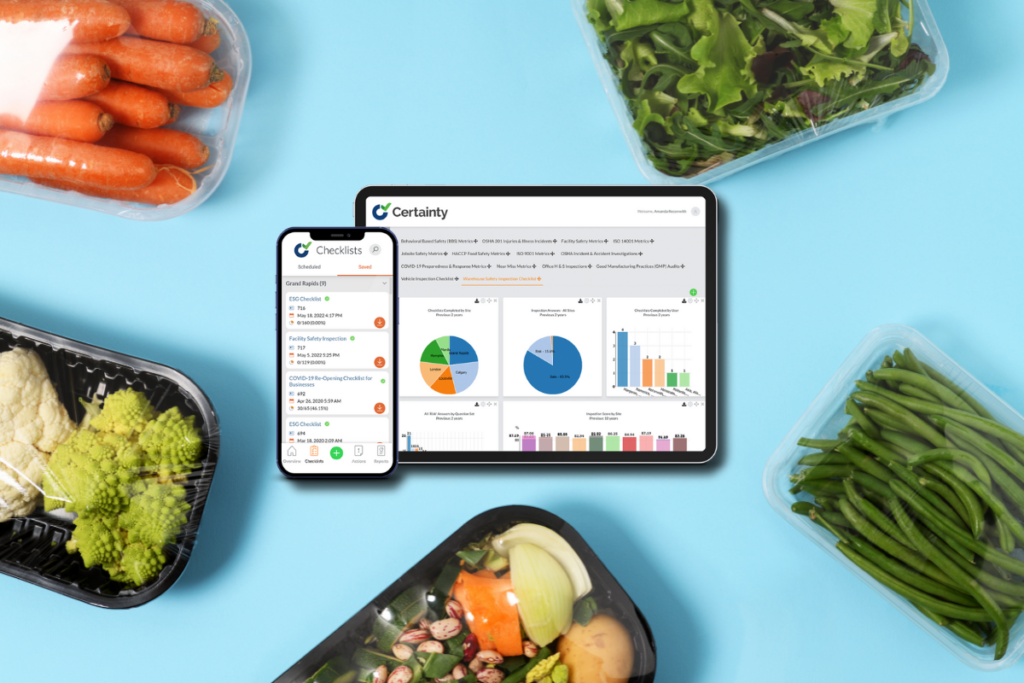
For QA Managers, Plant Managers, and Quality Engineers in the food industry, regulatory compliance is not just a legal obligation — it is the foundation of a reliable quality management system. The Food Safety Modernization Act (FSMA) 204 plays a critical role in strengthening traceability and food safety across the supply chain. This post explores the specifics of FSMA 204, its connection to quality frameworks like HACCP and ISO 22000, the compliance challenges quality teams face, and practical strategies to improve audit readiness and reduce non-conformance risk.
What is FSMA 204?
FSMA 204, part of the broader FSMA regulations enacted by the U.S. Food and Drug Administration (FDA), focuses on enhancing traceability throughout the food supply chain. Enacted in 2011, the Food Safety Modernization Act represents one of the most significant overhauls of U.S. food safety laws in over 70 years. FSMA 204 specifically mandates the establishment of enhanced traceability records for certain foods on the FDA’s Food Traceability List (FTL), facilitating rapid identification and response to foodborne illness outbreaks.
Background and Origin
The need for FSMA 204 arose from numerous foodborne illness outbreaks that highlighted deficiencies in existing traceability systems. Traditional paper-based traceability methods often proved inadequate in quickly pinpointing the sources of contamination, leading to prolonged public health risks and significant economic losses. For quality professionals already managing HACCP plans, prerequisite programs, and ISO 22000 requirements, these traceability gaps represented a critical failure point in their quality management systems. FSMA 204 aims to rectify these issues by implementing more rigorous traceability requirements — including Key Data Elements (KDEs) and Critical Tracking Events (CTEs) — thus improving the speed and accuracy of identifying and addressing food safety incidents.
Key Objectives of FSMA 204
The primary objectives of FSMA 204 align closely with the goals of any robust food safety quality program:
- Enhancing food traceability through standardized record-keeping requirements that complement HACCP and ISO 22000 documentation.
- Facilitating faster and more accurate identification of contaminated food products, reducing time to resolution during safety events.
- Minimizing the impact of foodborne illnesses on public health and the economy by enabling data-driven root cause analysis.
- Integrating advanced technology to streamline traceability processes and eliminate paper-based recordkeeping gaps.
Potential Risks and Consequences of Non-Compliance With FSMA 204
Non-compliance with FSMA 204 can have severe consequences for enterprises, many of which directly impact quality KPIs and audit outcomes:
- Legal and Financial Penalties: The FDA may impose significant fines, warning letters, and import alerts. These regulatory actions increase the cost of poor quality (COPQ) and create cascading audit findings across your quality management system.
- Increased Risk of Foodborne Illness Outbreaks: Non-compliance heightens the risk of outbreaks. Without proper traceability records, quality teams cannot execute effective corrective and preventive actions (CAPAs), driving up non-conformance rates.
- Damage to Brand Reputation and Consumer Trust: Non-compliance incidents can severely damage an enterprise’s reputation and may jeopardize FSSC 22000, SQF, or BRC certifications that quality teams have invested significant effort to maintain.
- Potential Recall Costs and Market Share Loss: The financial impact of product recalls is substantial — including direct costs, lost production time, and reduced first pass yield (FPY) during recovery periods.
What are the Benefits of FSMA 204?
Compliance with FSMA 204 offers numerous benefits that quality professionals can leverage across their broader quality management programs:
- Enhanced Consumer Safety: Compliance ensures that food products are safer for consumers, which directly supports HACCP plan effectiveness and strengthens your food safety culture metrics.
- Reduced Risk of Foodborne Illness Outbreaks: Effective traceability systems minimize the risk and impact of foodborne illnesses, improving time to resolution when deviations occur and reducing overall non-conformance rates.
- Improved Operational Efficiencies: Implementing robust traceability systems can streamline operations, making supply chain processes more efficient and improving audit completion rates by ensuring records are always inspection-ready.
- Strengthened Market Position: Demonstrating a commitment to food safety through FSMA 204 compliance enhances your standing during third-party audits for ISO 22000, FSSC 22000, and SQF certifications — strengthening your competitive edge.

30+ Audit and inspection checklists free for download.
Who Does FSMA 204 Apply To?
FSMA 204 applies to various entities involved in the food supply chain, each with specific roles and responsibilities that quality teams must integrate into their existing quality management system documentation.
Food Manufacturers
Food manufacturers are required to maintain comprehensive records of their production processes. This includes detailed documentation of ingredient sources, processing methods, and distribution channels — ensuring traceability from raw materials to finished products. For QA Managers and Quality Engineers, this means aligning FSMA 204 traceability records with existing HACCP documentation, FDA cGMP requirements, and lot-level quality records to create a unified compliance framework.
Processors
Processors must implement robust traceability systems that capture the journey of food products through various stages of processing. This involves maintaining records of all incoming raw materials and outgoing finished products, as well as monitoring each processing step. For quality teams managing critical control points (CCPs) under HACCP, these traceability requirements reinforce existing monitoring protocols and strengthen the link between process controls and product disposition records.
Distributors
Distributors play a crucial role in maintaining the traceability of food products as they move through the supply chain. They are responsible for keeping accurate records of the sources and destinations of the products they handle. This includes documenting storage conditions, transportation methods, and delivery routes. Effective traceability systems within distribution networks help in promptly isolating and addressing food safety issues, which is essential for cross-site comparability in multi-facility operations.
Importers
Importers are tasked with ensuring that the food products they bring into the country comply with FSMA 204 requirements. This involves verifying the traceability records of foreign suppliers and maintaining documentation that tracks the movement of imported goods from the point of entry to the final destination. Importers must ensure that their supply chain partners adhere to the same stringent traceability standards, thus maintaining the integrity of the entire food supply chain.
Roles and Responsibilities of Each Entity
Each entity in the supply chain has specific responsibilities under FSMA 204:
- Manufacturers: Maintain production and ingredient traceability records aligned with HACCP and FDA cGMP documentation.
- Processors: Implement and document traceability systems for processed products that integrate with CCP monitoring records.
- Distributors: Ensure traceability of products throughout the distribution network with consistent data standards across sites.
- Importers: Verify and maintain traceability records for imported goods in alignment with FSVP (Foreign Supplier Verification Program) requirements.
Common FSMA 204 Compliance Challenges for Enterprises
Quality teams — from Plant Managers overseeing daily operations to Process Improvement Leads driving continuous improvement — face several challenges in complying with FSMA 204. Many of these challenges mirror the pain points quality professionals already encounter in managing food safety programs.
Documentation and Record-Keeping
Maintaining accurate and comprehensive records is a significant challenge, particularly for organizations still relying on paper-based traceability systems. Quality teams must ensure that all traceability records are up-to-date, easily accessible during audits, and compliant with regulatory requirements. When records are scattered across spreadsheets, paper logs, and disconnected systems, audit preparation becomes time-consuming and non-conformance findings become harder to track — driving up the cost of poor quality (COPQ).
Traceability Requirements
Meeting the enhanced traceability requirements of FSMA 204 requires sophisticated systems capable of tracking products from farm to table. For quality professionals already managing HACCP recordkeeping, environmental monitoring programs, and supplier qualification processes, adding another layer of documentation can contribute to audit fatigue. Implementing these systems requires investment in technology and training, but the payoff is a unified traceability framework that supports both regulatory compliance and quality certification audits.
Real-Time Data Management
Real-time data management is essential for effective traceability but can be difficult to achieve — especially across multi-site operations where cross-site comparability is a persistent challenge. Enterprises must integrate advanced technologies to collect, store, and analyze traceability data in real time, enabling prompt responses to potential food safety issues and reducing manual corrective action processes that slow down time to resolution.
Risk Assessment and Mitigation
Enterprises must conduct regular risk assessments to identify potential points of contamination and implement mitigation strategies. This aligns directly with the hazard analysis requirements in HACCP and the risk-based thinking mandated by ISO 22000. Quality teams should integrate FSMA 204 traceability data into their existing risk assessment workflows, using non-conformance trends and audit findings to prioritize corrective actions and continuously improve their food safety management systems.
Tips for Improving FSMA 204 Compliance
QA Managers, Quality Engineers, and Process Improvement Leads can take several practical steps to improve FSMA 204 compliance while strengthening their broader food safety quality management systems.
Implementing Robust Traceability Systems
Developing and implementing robust traceability systems is crucial for FSMA 204 compliance. Enterprises should invest in digital solutions that enable end-to-end traceability, replacing paper-based processes with centralized platforms that capture Key Data Elements (KDEs) at every Critical Tracking Event (CTE). This approach improves first pass yield (FPY) on audit readiness checks and reduces the manual effort associated with preparing for FDA inspections and third-party certification audits.
Regular Training and Education for Staff
Continuous training and education are vital for maintaining compliance. Enterprises should regularly train their staff on FSMA 204 requirements alongside HACCP principles, FDA cGMP standards, and site-specific quality procedures. Training completion rates should be tracked as a quality KPI, ensuring that all employees understand their roles and responsibilities in maintaining food safety standards and can demonstrate competency during audits.
Utilizing Technology for Efficient Data Management
Leveraging digital quality management technology is essential for efficient data management. Enterprises should implement software solutions that facilitate real-time data collection, automated workflows, and centralized reporting — enabling quick identification and response to potential food safety issues. The right platform can consolidate traceability records, audit schedules, CAPA tracking, and non-conformance management into a single system, improving audit completion rates and providing cross-site visibility for multi-facility operations.
Engaging in Continuous Monitoring and Auditing
Regular monitoring and auditing are crucial for maintaining compliance with FSMA 204. Enterprises should conduct periodic internal audits of their traceability systems and processes, tracking audit completion rates and time to resolution as key performance indicators. By integrating FSMA 204 compliance checks into existing audit programs — alongside HACCP verification activities and ISO 22000 internal audit schedules — quality teams can reduce audit fatigue and ensure continuous improvement without duplicating effort.
Implement Third-Party Audit Companies
Third-party audit companies, such as DNV, play a significant role in simplifying the compliance process. Working with reputable audit firms offers several benefits:
- Enhanced Compliance: Third-party audits provide an objective assessment of compliance status, identifying areas for improvement and ensuring that all regulatory requirements are met.
- Improved Safety: Regular audits help identify potential risks and implement corrective actions, enhancing overall food safety.
- Credibility: Engaging third-party auditors demonstrates a commitment to food safety and regulatory compliance, enhancing the enterprise’s credibility with consumers and stakeholders.
DNV
Delivering world-renowned testing, certification, and technical advisory services to the energy value chain including renewables, oil and gas, and energy management, DNV is one of the world’s leading certification bodies that help businesses ensure the performance of their organizations, products, people, facilities throughout supply chains.
Learn how DNV utilizes Certainty to manage global audits and inspections with ease.

Reduce Risk, Ensure
Compliance, and Improve
Performance
Manage FSMA 204 Compliance With Certainty
To ensure your enterprise is fully compliant with FSMA 204 and to strengthen your food safety quality management system, consider booking a demo with Certainty. Our comprehensive solutions help quality teams manage compliance challenges effectively — from traceability recordkeeping and audit scheduling to CAPA tracking and non-conformance management. See firsthand how our software can simplify your compliance efforts, improve audit completion rates, and provide the cross-site visibility QA Managers and Plant Managers need to drive continuous improvement. Book a Demo today to learn more and get started.
Frequently Asked Questions (FAQs)
How does FSMA 204 relate to HACCP and ISO 22000 requirements?
FSMA 204 complements HACCP and ISO 22000 by adding enhanced traceability requirements to your existing food safety management system. While HACCP focuses on identifying and controlling hazards at critical control points and ISO 22000 provides a comprehensive management system framework, FSMA 204 strengthens the traceability layer — ensuring that when a deviation or non-conformance occurs, quality teams can rapidly trace affected products through the supply chain. Organizations already certified to FSSC 22000 or SQF will find that FSMA 204 compliance reinforces their existing documentation and monitoring practices.
What quality KPIs should we track to measure FSMA 204 compliance effectiveness?
Quality teams should monitor several key performance indicators to gauge FSMA 204 compliance effectiveness: audit completion rates for traceability-specific audits, non-conformance rates related to recordkeeping gaps, time to resolution for traceability-related findings, and the cost of poor quality (COPQ) associated with traceability failures. Additionally, tracking mock recall completion time — how quickly your team can execute a full traceability exercise — is a practical metric that demonstrates both FSMA 204 readiness and the maturity of your food safety quality system.
How can quality teams move from paper-based traceability to a digital system?
Transitioning from paper-based traceability to a digital system starts with mapping your current traceability workflows against FSMA 204’s Key Data Element (KDE) and Critical Tracking Event (CTE) requirements. Quality teams should identify gaps where manual processes introduce errors or delays, then prioritize digitizing those high-risk areas first. A phased rollout — starting with a single product line or facility — allows QA Managers to validate the system, train staff, and establish baseline metrics before scaling across sites. The goal is to create a centralized platform that eliminates duplicate data entry and provides real-time visibility for both internal audits and regulatory inspections.
What are the biggest FSMA 204 compliance challenges for multi-site food operations?
Multi-site food operations face unique FSMA 204 challenges including cross-site comparability of traceability data, inconsistent recordkeeping practices between facilities, and audit fatigue from managing compliance across multiple locations. Plant Managers and Quality Engineers often struggle with disparate systems that prevent consolidated reporting and make it difficult to identify systemic non-conformance trends. The most effective approach is implementing a standardized digital platform across all sites that enforces consistent data collection, enables centralized CAPA management, and allows quality leadership to benchmark compliance performance across the entire operation.
How does FSMA 204 compliance support FDA cGMP and third-party certification audits?
FSMA 204 compliance creates a strong traceability foundation that supports both FDA cGMP inspections and third-party certification audits for standards like FSSC 22000, SQF, and BRC. The enhanced recordkeeping required by FSMA 204 — including detailed documentation of Key Data Elements at each Critical Tracking Event — directly satisfies traceability clauses found in these certification schemes. For quality teams, this means that investing in FSMA 204 compliance reduces the preparation burden for multiple audits simultaneously, improving overall audit completion rates and first pass yield (FPY) on audit findings while lowering the total cost of maintaining certifications.
You might also be interested in:

Spend Time On Prevention
Not Paperwork
Watch our overview video to see how your organization can benefit from Certainty.
Watch Video