Summary: Layered Process Audits (LPAs) are a proven quality management technique where audits are conducted at multiple management levels to verify that standardized processes are followed consistently. Selecting the right LPA tool is critical for reducing audit fatigue, ensuring cross-site comparability, and driving down non-conformance rates across manufacturing operations. The ideal tool should support mobile data collection, automated scheduling, real-time dashboards, and integration with your existing quality management system.
Table of contents

Layered Process Auditing (LPA) is a quality management technique that helps organizations ensure that their processes are followed correctly and consistently. By performing audits at different levels of management – from shop floor supervisors to Plant Managers and QA Directors – LPAs can help organizations reduce rework, improve process control, and identify and prevent quality issues before they reach the customer, ultimately improving customer satisfaction and lowering the Cost of Poor Quality (COPQ). To make the most of LPA, it’s important to have the right tool in place. With so many options available, it can be difficult to know where to start.
In this blog post, we’ll discuss the top 10 things to consider when selecting a Layered Process Audit Tool.
How Does a Layered Process Audit Tool Work?
Layered process audit tools are designed to help organizations perform layered process audits in a more streamlined and efficient manner. These tools typically use a cloud-based software platform that can be accessed from anywhere, making it easy for multiple teams and locations to collaborate on the auditing process. For Plant Managers and QA Managers overseeing multiple production sites, this cross-site accessibility is essential for maintaining consistent audit standards and enabling meaningful comparability across facilities.
The software typically provides a pre-defined audit template that is customizable to the specific needs of the organization. This template will include a series of questions that must be answered during the audit process, covering different areas of the manufacturing process. The questions may be focused on things like equipment calibration, training requirements, or standard operating procedures.
During the audit, the auditor will answer each question and indicate whether the process is compliant or non-compliant. If non-compliance is identified, the auditor will be prompted to provide additional information on the issue and suggest a corrective action plan. This automated corrective action workflow eliminates the delays inherent in paper-based audit processes and helps quality teams reduce their time to resolution on non-conformances.
The software will then compile all of the data collected during the audit and provide real-time analytics and reports that can be used to track process improvement over time. This data can help organizations identify areas for improvement and take corrective action to prevent quality issues from occurring in the future.
What are the benefits of using a Layered Process Audit Tool?
Layered Process Auditing is a proactive approach to quality management. By using an LPA tool, Plant Managers, QA Managers, and Quality Supervisors can achieve the following benefits:
- Improve Process Control: With real-time data, LPA tools can help you identify non-conformances in your manufacturing process and take corrective action before they cause problems, directly improving your non-conformance rates and First Pass Yield (FPY).
- Drive Continuous Improvement: LPA tools help you to identify issues and track quality KPIs such as audit completion rates, time to resolution, and COPQ so you can continually improve your processes.
- Save Time and Money: LPA tools can help you identify areas of rework, reducing the cost of wasted time and materials while eliminating the inefficiency of paper-based audits and manual corrective action tracking.
- Increase Customer Satisfaction: By catching issues before they become customer complaints, LPA tools can help you maintain high levels of customer satisfaction.
- Ensure Compliance: LPA tools can help you ensure that your processes meet ISO 9001, IATF 16949, and other quality standards, reducing audit fatigue through automated scheduling and standardized checklists.
What are the Key Considerations When Selecting a Layered Process Audit Tool?
When choosing an LPA tool, there are ten key considerations to keep in mind to ensure optimal outcomes:
Ease of Use
User-friendliness is a key factor for the tool, with a clear process audit checklist and template that requires minimal training for shop floor workers, Plant Managers, and other levels of management. The tool should be intuitive enough that auditors at every layer can complete audits efficiently without extensive onboarding.
Customization
Flexibility is crucial, and the tool should be customizable to meet the specific needs of your organization. It should allow you to add inputs and audit questions, and create a control plan tailored to your manufacturing process.
Real-time Data
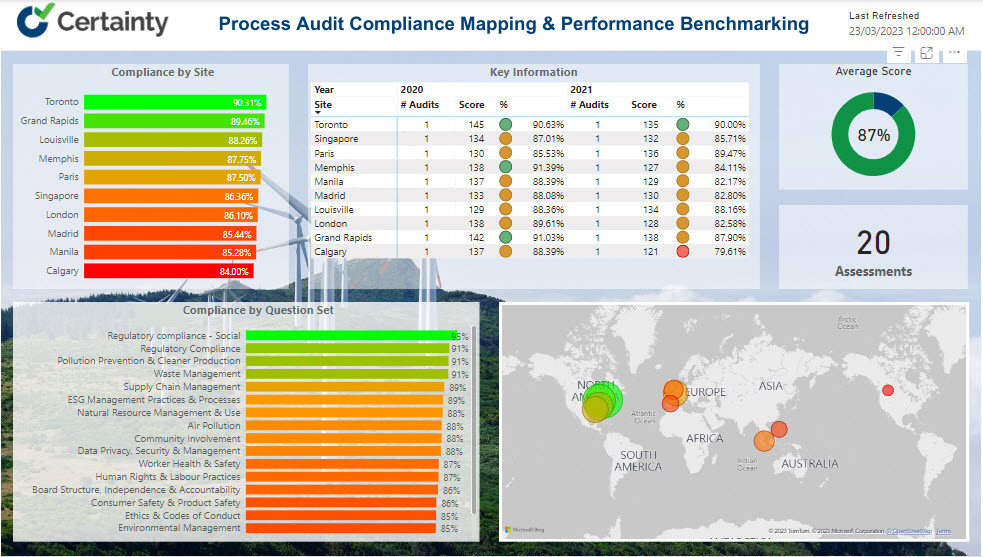
Instant data and notifications are vital. The tool should provide real-time data, allowing you to identify high-risk areas and take immediate corrective action. For QA Directors and VP Quality Assurance, real-time dashboards provide the visibility needed to monitor quality KPIs across all production sites without waiting for manual report compilation.
Follow-up and Reporting
Easy follow-up on non-conformances and clear reporting on corrective actions taken are essential. It should also provide dashboards and reports to track process improvement over time, giving Plant Managers and Quality Directors the data they need to demonstrate continuous improvement to senior leadership.
Mitigation and Root Cause Analysis
The tool should help identify the root cause of quality issues and providing guidance on problem-solving and mitigation. Effective root cause analysis capabilities are critical for Quality Engineers working to reduce non-conformance rates and prevent recurring defects.
LPA Software Integrations
Integration with other quality management tools, such as FMEA and your quality management system, is important. This will help ensure that your LPA program is integrated into your overall quality strategy.
High Frequency
The tool should support high-frequency LPA audits, ensuring that your processes are audited regularly and consistently. High audit frequency is a core principle of LPA and directly correlates with improved audit completion rates and faster identification of process drift.
Security and Privacy
Security and privacy are paramount. The tool should be secure, with safeguards to protect personal data, and allow you to control access levels for different users.
Rollout and Training
Proper training and support are crucial to a successful rollout. The tool should provide ongoing support to ensure that your LPA program continues to be effective.
LPA Program Development
The tool should provide guidance and support for developing an effective LPA program. This should include check sheets, templates, and best practices for conducting LPA audits.
Examples of Layered Process Audit Tool Implementation
Let’s highlight some examples of the different industries that would benefit from implementing layered process audit tools and how they can use them to improve their processes and outcomes.
Manufacturing
With LPA tools, manufacturers can create and assign audit checklists, schedule, and track audits, collect and analyze audit data, generate reports and dashboards, and initiate corrective actions. These features can help improve product quality, reduce waste, and ensure compliance with regulations and customer requirements.

30+ Audit and inspection checklists free for download.
Healthcare
Creating and assigning audit checklists, scheduling and tracking audits, collecting and analyzing audit data, generating reports and dashboards, and initiating corrective actions are some of the functions that LPA tools enable healthcare providers to perform. These functions can help improve patient safety, quality of care, and infection prevention.
Aerospace
By using LPA tools, aerospace companies can ensure that their products meet the highest standards of safety, reliability, and performance. LPA tools allow them to create and assign audit checklists, schedule, and track audits, collect and analyze audit data, generate reports and dashboards, and initiate corrective actions. These features can also help them comply with the rigorous standards and regulations of the aerospace industry.
Automotive
LPA tools help automotive companies improve their product quality, reliability, and customer satisfaction. LPA tools allow them to create and assign audit checklists, schedule, and track audits, collect and analyze audit data, generate reports and dashboards, and initiate corrective actions. These features can also help them reduce warranty claims, recalls, and rework costs, supporting compliance with IATF 16949 and VDA 6.3 requirements.
Construction
Ensuring project quality, timeliness, budgeting, and safety are some of the benefits that LPA tools offer to construction companies. LPA tools help them to create and assign audit checklists, schedule, and track audits, collect and analyze audit data, generate reports and dashboards, and initiate corrective actions. These features can also help them prevent accidents, injuries, and damages.
How Certainty Improves Layered Process Audit Performance
Certainty is a user-friendly, comprehensive solution with many quality audit features to help organizations like yours perform high-quality LPA audits. The tool provides you with customizable audit checklists, real-time notifications, dashboards, and metrics to monitor processes. The follow-up mechanism ensures the timely closure of non-conformances with quick and effective action management and delegation, helping QA Managers and Plant Managers reduce time to resolution and improve corrective action closure rates across all sites.
You may also be interested in:
Frequently Asked Questions (FAQs)
What is Layered Process Auditing and why is it important for quality management?
Layered Process Auditing (LPA) is a systematic approach where audits are conducted at multiple levels of management – from shop floor supervisors to Plant Managers and QA Directors. Unlike traditional audits performed only by quality staff, LPAs engage leadership at every tier to verify that standard processes are being followed. This multi-layered approach helps organizations catch process deviations early, reduce non-conformance rates, and build a culture of quality accountability across the entire organization.
How often should layered process audits be conducted?
The frequency depends on the audit layer. Shop floor supervisors typically conduct daily audits, while Plant Managers and QA Directors may perform weekly or monthly reviews. High-frequency auditing is a core principle of LPA and is essential for catching process drift before it results in defects. Digital LPA tools help manage this cadence by automating scheduling, sending reminders, and tracking audit completion rates to ensure no layer falls behind.
How do LPA tools help reduce audit fatigue?
Audit fatigue is a common challenge when organizations rely on paper-based systems and manual processes. Digital LPA tools reduce fatigue by streamlining the audit workflow: mobile-friendly checklists make data collection faster, automated scheduling distributes audits evenly, and real-time dashboards eliminate the need for manual report generation. This allows Quality Supervisors and Plant Managers to focus on addressing findings rather than managing paperwork.
What quality KPIs should be tracked with an LPA tool?
Key quality KPIs to track include audit completion rates (by layer and site), non-conformance rates, corrective action closure time (time to resolution), First Pass Yield (FPY), and Cost of Poor Quality (COPQ). Tracking these metrics over time allows QA Managers and VP Quality Assurance to demonstrate the impact of the LPA program on overall quality performance and justify continued investment in quality improvement initiatives.
Can LPA tools support compliance with ISO 9001 and IATF 16949?
Yes. LPA tools are designed to support compliance with major quality standards including ISO 9001, IATF 16949, and VDA 6.3. They help organizations maintain the documented audit trails, corrective action records, and performance data required by these standards. For automotive manufacturers, LPA tools are particularly valuable for meeting IATF 16949 requirements around process monitoring, internal audits, and continual improvement, helping Lead Auditors and Quality Engineers maintain certification readiness year-round.

Spend Time On Prevention
Not Paperwork
Watch our overview video to see how your organization can benefit from Certainty.
Watch Video